How to Build an Energy Efficient Home Extension in Melbourne
For many Melbourne homeowners, building a home extension is the perfect way to create more space without moving. But with rising energy costs and increasing awareness around sustainability, more people are asking:
“How can I make my home extension more energy efficient—and is it worth the cost?”
The good news is that building a sustainable, energy-efficient extension doesn’t have to be expensive. In fact, done properly, it can reduce your long-term running costs, improve comfort, and increase your home’s value.
In this guide, we’ll walk through the most practical ways to design and build an energy-efficient home extension in Melbourne.
Why Energy Efficiency Matters in Home Extensions
Rising Energy Costs in Australia
In Australia, buildings account for around 23% of total greenhouse gas emissions, and energy prices continue to rise.
Long-Term Savings for Homeowners
For homeowners planning an extension, this creates a real opportunity:
Build smarter now and lock in lower energy bills for years to come
Plus, in Victoria, energy efficiency isn’t optional…
6 Star Energy Rating Requirements in Victoria
When the 6 Star Standard Applies
If you’re planning a home extension in Melbourne:
All new homes and major extensions must achieve a 6 Star Energy Rating
If your extension is more than 50% of your home’s volume, the entire house may need to comply
Do Existing Homes Need to Be Upgraded?
Depending on the scale of your project, your existing home may also need to meet the minimum standard.
What Is an Energy Rating Report?
You’ll need an Energy Rating Report before obtaining a building permit.
A 6-star home can use up to 24% less energy than a 5-star home, making this both a compliance and cost-saving requirement.
Passive Design for Home Extensions
What Is Passive Design?
Passive design uses your home’s layout, orientation, and materials to naturally regulate temperature—reducing reliance on heating and cooling.
Best Orientation for Extensions in Melbourne
- Maximise northern sunlight for living areas
- Minimise heat exposure from the west
- Capture natural airflow
Using Natural Light, Ventilation and Shading
- Strategic window placement
- Cross-ventilation for cooling
- Eaves, pergolas, and landscaping for shade
Done right, passive design can significantly reduce energy use without increasing build costs.
Windows, Insulation and Thermal Performance
Why Windows Matter in Energy Efficiency
Homes can lose up to 40% of heat and gain up to 87% through windows, making them a critical factor.
Double Glazing vs Standard Windows
- Double glazing improves insulation
- Reduces heat loss and noise
- Ideal for open-plan extensions
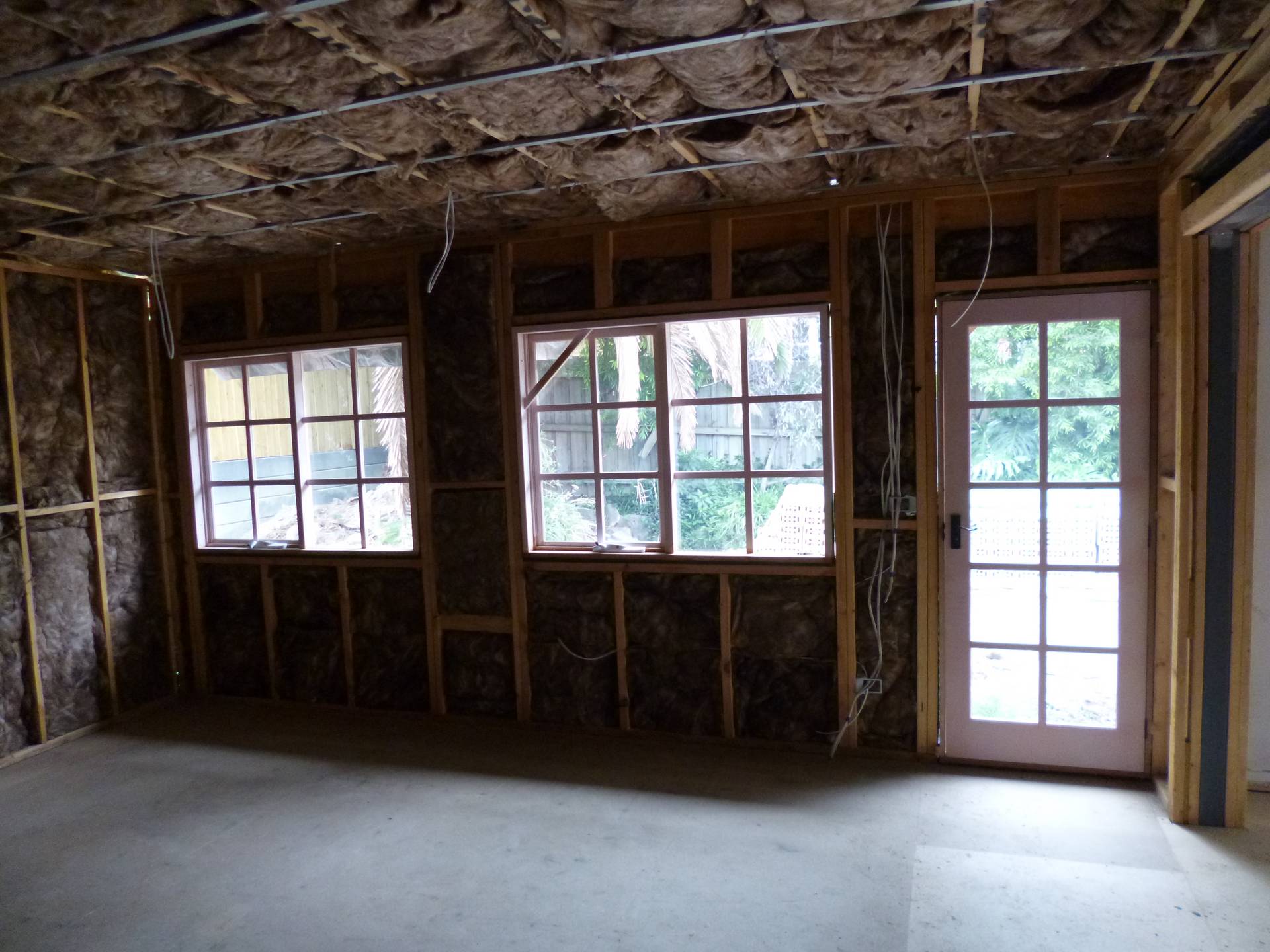
Best Insulation Options for Extensions
Wall Insulation
Helps maintain consistent indoor temperature year-round.
Ceiling Insulation
Prevents heat loss in winter and heat gain in summer.
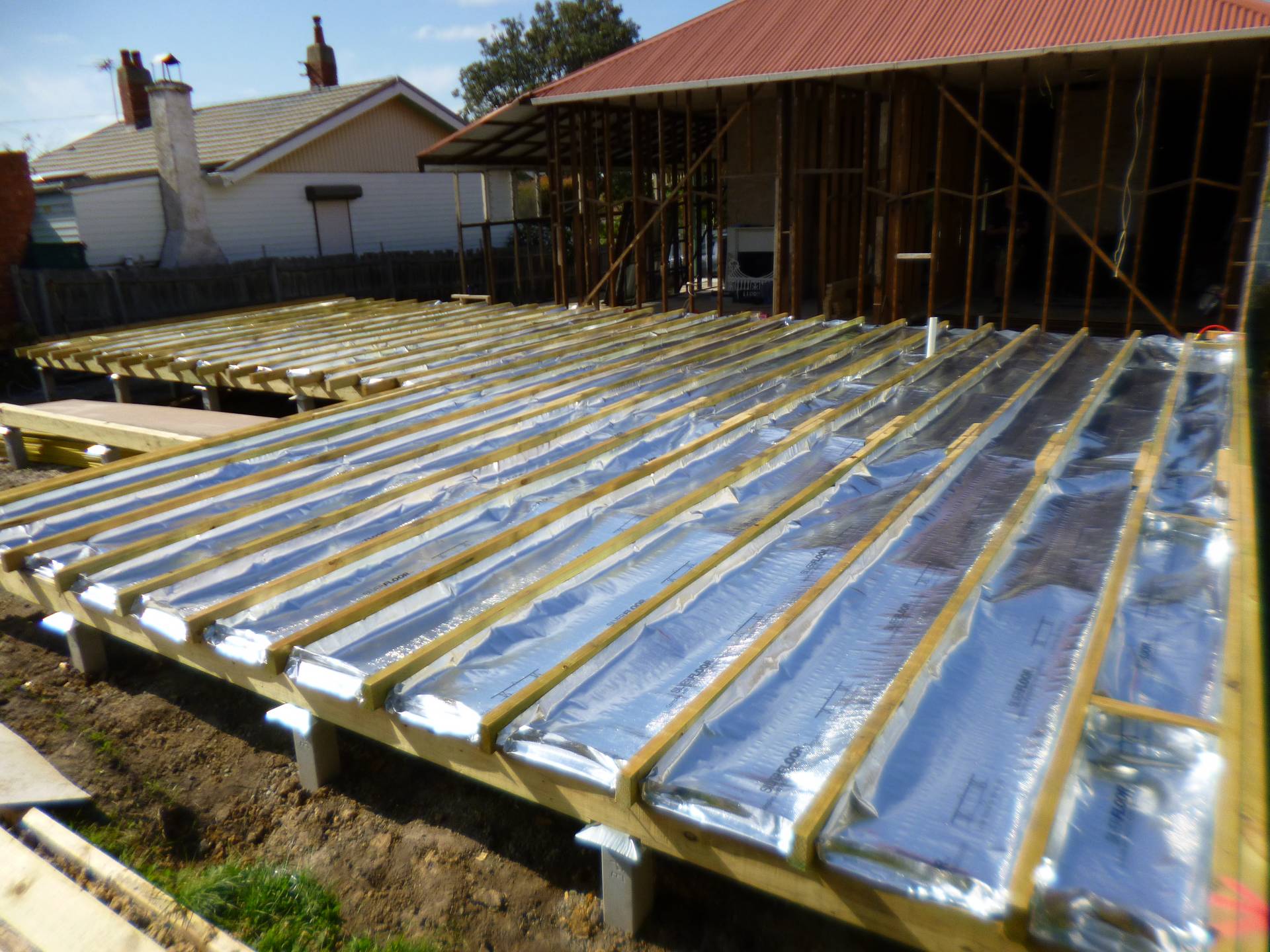
Floor Insulation
Especially important for raised or suspended floors.
Proper sealing around doors, windows, and gaps is just as important as insulation itself.
Energy Efficient Systems and Upgrades
Lighting and Appliances
- LED lighting throughout
- Energy-efficient appliances
- Smart home controls where appropriate
Solar Panels and Rebates in Victoria
Solar technology is more accessible than ever, with rebates available to reduce upfront costs.
Heating and Cooling Considerations
- Zoned systems for efficiency
- Reverse-cycle systems for flexibility
Planning these early reduces installation costs and improves performance.
Water Efficiency in Home Extensions
Fixtures and Fittings That Save Water
- Water-efficient taps and showerheads
- Dual-flush toilets
Rainwater Tanks and Greywater Systems
- Rainwater for toilets and gardens
- Greywater reuse for irrigation
Particularly valuable if your extension includes bathrooms or outdoor spaces.
Choosing Sustainable Building Materials
Recycled and Low-Impact Materials
- Reclaimed timber, bricks, and fittings
- Recycled glass, aluminium, and plastics
Low VOC Paints and Indoor Air Quality
- Improve indoor air quality
- Reduce harmful emissions
Sustainable materials don’t just help the environment—they also improve durability and health.
Integrating Your Extension with the Existing Home
Avoiding Energy Efficiency Gaps
New extensions can outperform the original home, leading to inefficiencies.
Simple Upgrades to Improve Performance
- Upgrade old windows
- Improve insulation in existing areas
- Seal air leaks
This ensures your extension performs as intended.
Working With the Right Builder
Designing an energy-efficient home extension requires experience and careful planning.
At Mastercraft Construction, we help Melbourne homeowners:
- Meet 6-star energy requirements
- Optimise passive design
- Select cost-effective upgrades
- Deliver high-quality, sustainable builds
Frequently Asked Questions About Energy Efficient Home Extensions
How can I make my home extension more energy efficient?
The most effective approach is to focus on passive design, insulation, and window performance from the start. Orienting your extension to maximise natural light, allowing for cross-ventilation, and installing quality insulation and double glazing can significantly reduce heating and cooling needs.
Do home extensions need to meet a 6 star energy rating in Victoria?
Yes. In Victoria, all new homes and major extensions must achieve a minimum 6 star energy rating. If your extension is large (over 50% of your existing home), the entire house may need to be assessed and upgraded to meet this standard.
Does energy efficient design increase the cost of a home extension?
Some upgrades can add to the upfront cost, but many energy-efficient features—like smart orientation and proper insulation—are cost-effective. Over time, these choices typically reduce energy bills and improve comfort, making them a worthwhile investment.
What is passive design and why is it important for extensions?
Passive design uses your home’s layout, orientation, and materials to naturally regulate temperature. For extensions, this means less reliance on heating and cooling systems, lower energy costs, and a more comfortable living environment year-round.
Do I need double glazing for a home extension in Melbourne?
Double glazing isn’t always mandatory, but it’s highly recommended for improving energy efficiency and comfort. It helps reduce heat loss in winter and heat gain in summer, which is especially important for new extensions with large windows or open-plan designs.
When should I consider energy efficiency in the building process?
Energy efficiency should be considered at the very beginning—during the design phase. Decisions around layout, orientation, materials, and window placement are much harder and more expensive to change later.
Do I need an energy rating report before building an extension?
Yes. An energy rating report is required before you can obtain a building permit in Victoria. This report ensures your extension meets the 6 star energy rating requirements and identifies areas for improvement if needed.
Should I upgrade my existing home when building an extension?
It’s often a good idea. If your existing home is less efficient, it can reduce the overall performance of your new extension. Simple upgrades like sealing gaps, improving insulation, or updating windows can make a noticeable difference.
Are solar panels worth installing during a home extension?
Yes, especially if you’re already undertaking major building work. Installing solar during an extension can be more cost-effective and help reduce long-term energy costs. There are also government rebates available in Victoria that can offset installation costs.
What are the easiest ways to improve energy efficiency without increasing my budget?
Focus on smart design choices such as correct orientation, good ventilation, and effective shading. Sealing gaps, choosing LED lighting, and selecting energy-efficient appliances are also low-cost ways to improve performance.
Planning a Home Extension in Melbourne?
Building an energy-efficient home extension isn’t about expensive add-ons—it’s about making smart decisions early.
By focusing on:
- Good design
- Quality materials
- Efficient systems
You can create a home that is:
- More comfortable
- Cheaper to run
- Better for the environment
If you’re planning a home extension in Melbourne, contact Mastercraft Construction to discuss how to design a smarter, more energy-efficient space.
Building Ideas & Guides
Do You Need a Planning Permit for a Home Extension in Victoria?
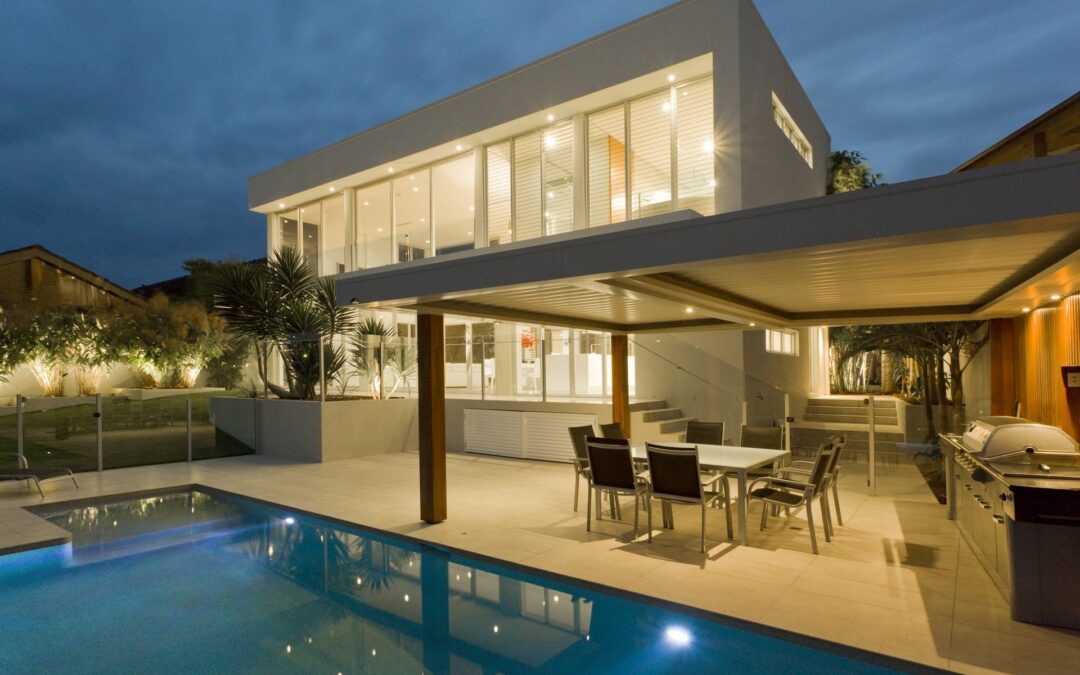
Sloping Block Homes Melbourne
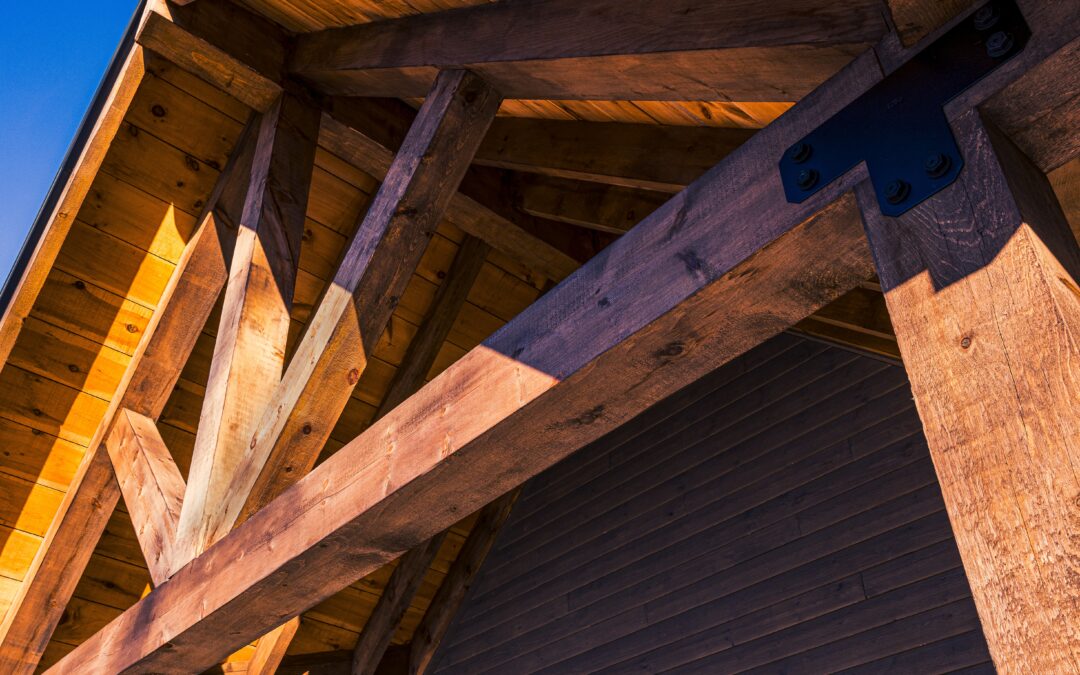
Post and Beam Homes Melbourne: Custom New Homes & Home Extensions
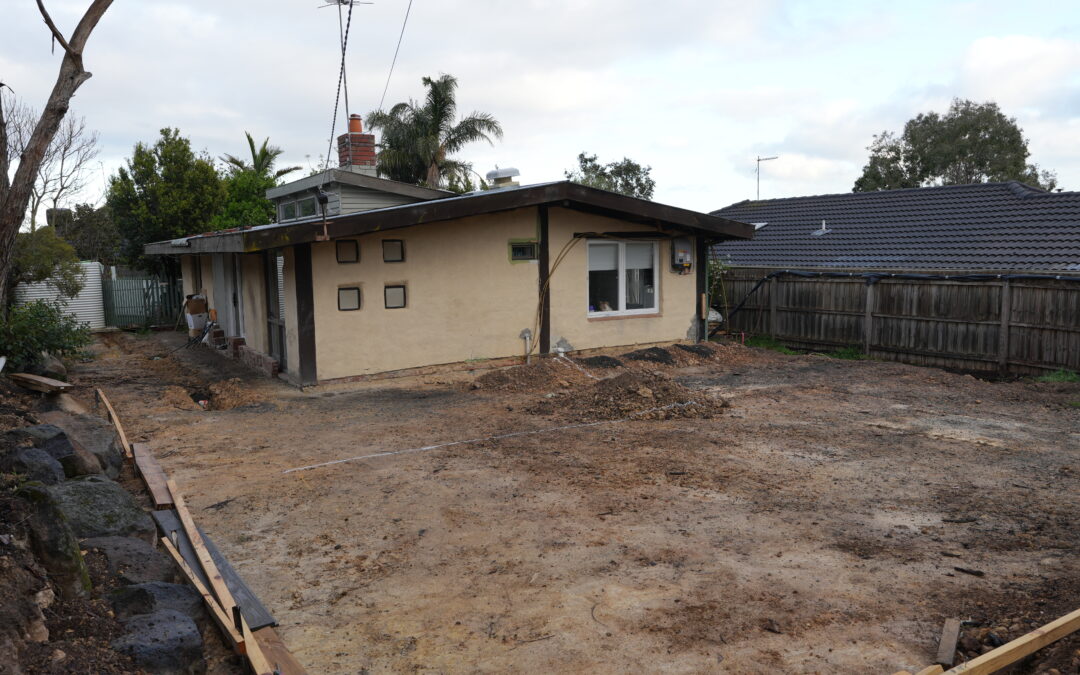
Mud Brick Houses in Melbourne: History, Benefits & Extension Ideas
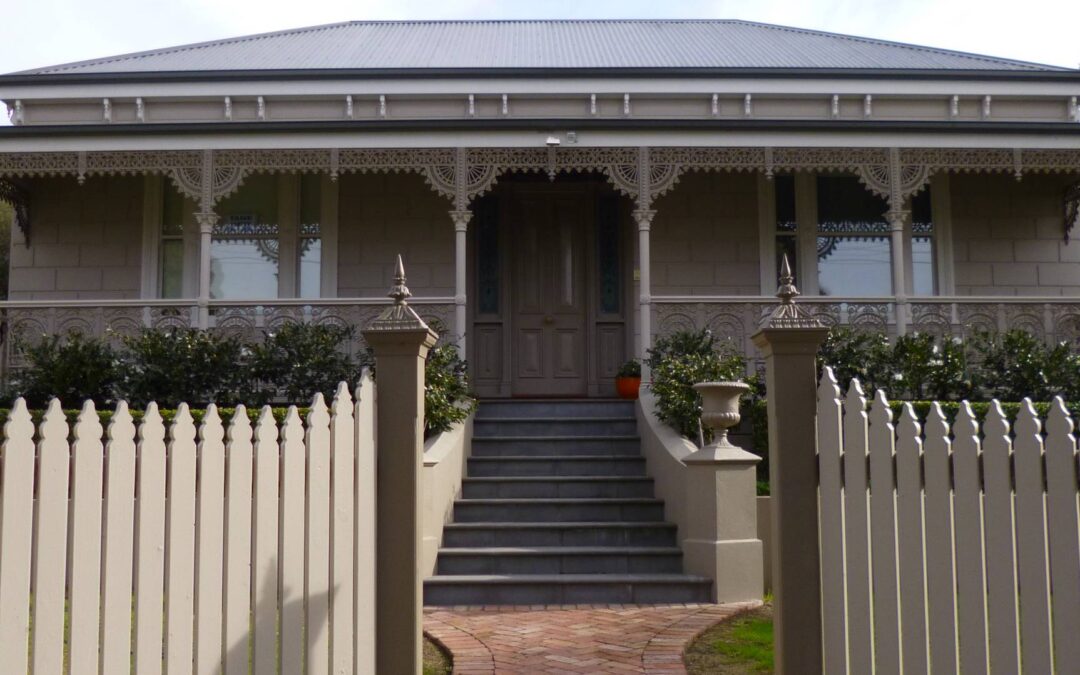
Victorian Home Restoration & Renovation Cost Guide Melbourne