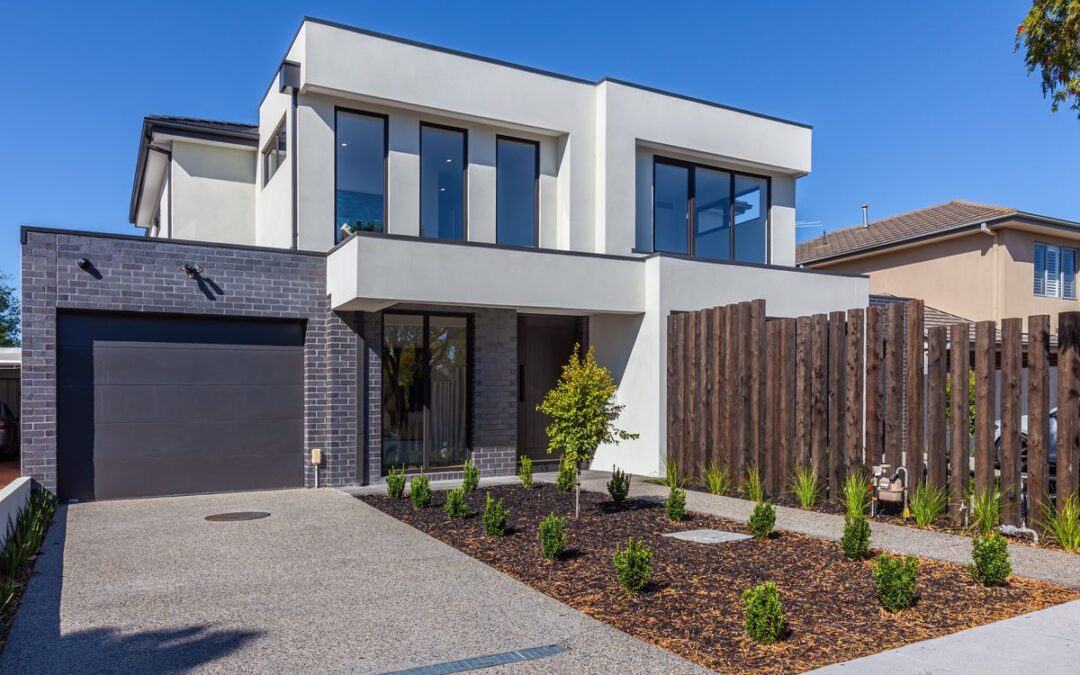
Architect vs Draftsman for Period Home Extensions in Melbourne
Planning a period home extension in Melbourne — such as a Victorian, Edwardian, Federation, or Californian Bungalow — and not sure whether you need an architect or a draftsman?
It’s one of the most common questions homeowners ask when starting a renovation, especially when heritage overlays, council requirements, and the challenge of blending modern living with original character come into play. Choosing between an architect vs draftsman for a period home extension in Melbourne can have a significant impact on your design costs, approval process, and overall build budget.
The right choice depends on the complexity of your project, your design goals, and how important buildability and cost-efficiency are from the start. In many cases, understanding whether you need an architect or draftsman early can help you avoid overpaying for design work or ending up with plans that don’t align with your budget.
→In this guide, we’ll break down the difference between architects and draftsmen for period home extensions in Melbourne — including costs, when to use each, and how to choose the right approach for your project.
What Does an Architect Do for Period Home Extensions in Melbourne?
An architect for period home extensions in Melbourne focuses on design, heritage sensitivity, and overall vision, particularly when working with Victorian, Edwardian, Federation, or Californian Bungalow homes.
When You Need an Architect for a Period Home Extension
They typically:
- Create custom designs that respect and enhance the original character of the home
- Focus on aesthetics, proportions, and how new additions integrate with existing heritage features
- Coordinate with engineers, heritage consultants, and other specialists
- Manage planning permits, especially for heritage overlay properties
Architects are ideal for period homes where:
- The property is affected by a heritage overlay or strict council controls
- The design requires a seamless blend between old and new
- You’re aiming for a high-end, architecturally designed extension
- The project involves complex layouts, structural changes, or unique design elements
→However, for period home extensions, this level of detail, documentation, and consultant involvement typically comes at a higher cost — particularly when heritage requirements are involved.
What Does a Draftsman Do for Period Home Extensions in Melbourne
A draftsman (or building designer) for period home extensions in Melbourne focuses on practical, buildable designs that work within existing structures, while still respecting the character of homes like Victorian, Edwardian, Federation, and Californian Bungalows.
When a Draftsman Is Suitable for a Period Home Extension
They typically:
- Prepare detailed drawings for planning and building permits
- Design functional layouts that suit modern living within older homes
- Work with existing structures to create efficient rear extensions
- Focus on cost-effective solutions that are realistic to build
Draftsmen are ideal for period homes where:
- The extension is a standard rear addition
- You want to maintain the front character while modernising the back
- The project needs to stay within a clear budget
- You’re looking for a practical, efficient design process
Many experienced draftsmen also understand local council requirements and can work with heritage overlays, particularly when the extension is straightforward and doesn’t significantly alter the front façade.
→When working alongside an experienced builder, a draftsman can often deliver a well-designed, compliant, and cost-effective outcome for most period home extensions in Melbourne.
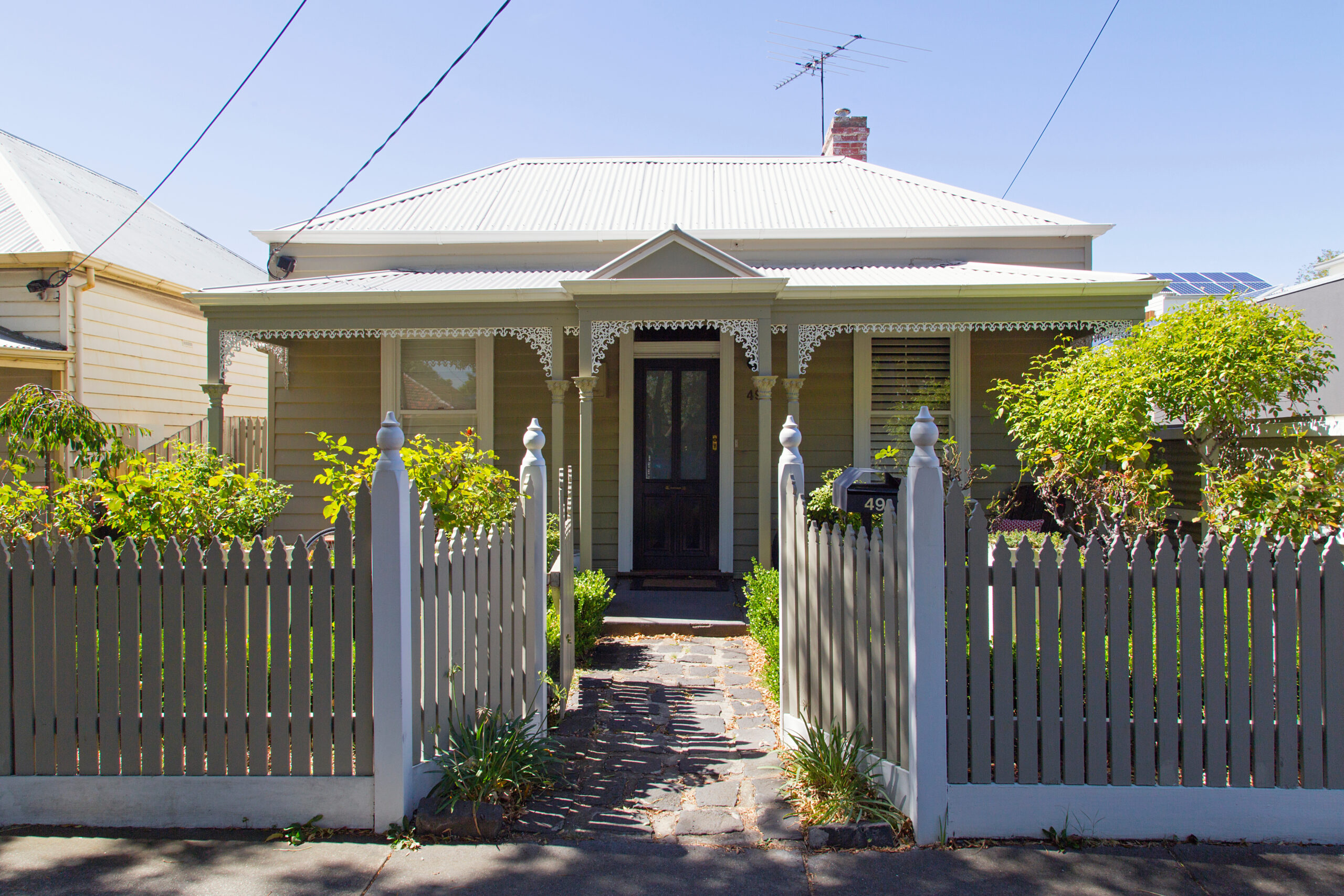
Architect vs Draftsman for Period Home Extensions in Melbourne
Architect |
Draftsman (Building Designer) |
| Focuses on design, creativity, and overall vision | Focuses on practical, buildable designs |
| Ideal for high-end or complex period home extensions | Ideal for standard rear extensions to period homes |
| Strong emphasis on aesthetics and architectural detail | Focuses on functionality, layout, and efficiency |
| Works closely with engineers, consultants, and heritage specialists | Typically works directly with builders for streamlined delivery |
| Well-suited for heritage overlays and complex council requirements | Can handle many heritage projects, especially straightforward ones |
| Provides fully customised, design-driven solutions | Provides cost-effective, practical solutions |
| Higher design fees ($8,000 – $25,000+) | Lower design fees ($2,000 – $8,000) |
| May result in higher build costs if overdesigned | Designs are usually aligned with realistic construction budgets |
→The right choice depends on your project — but in many cases, starting with an experienced builder can help you make the right decision before committing to design costs.
What This Means for Your Period Home Extension in Melbourne
For many period home extensions in Melbourne — particularly Victorian, Federation, and Californian Bungalow homes — the choice between an architect and draftsman often comes down to complexity, budget, and how the project will actually be built.
If your extension involves a highly customised design, strict heritage overlay requirements, or a premium architectural outcome, an architect may be the right fit.
However, for most standard rear extensions to period homes, a draftsman working alongside an experienced builder can deliver a design that is both practical and cost-effective.
In most cases, this approach allows you to:
- Respect the original character of the home
- Meet Melbourne council and planning requirements
- Stay within a realistic construction budget
- Ensure the design is efficient and straightforward to build
→The key is not just how the design looks on paper — but whether it works in the real world.
The Reality Most Homeowners Discover Too Late
Many homeowners come to us after:
- Spending thousands on architectural plans for home extensions in Melbourne
- Only to find the design is too expensive to build within their budget
- Or requires major changes to make it practical and compliant
→A great design on paper doesn’t always translate into a practical, cost-effective home extension.
A Builder’s Perspective on Period Home Extensions in Melbourne
From a builder’s point of view, the biggest issues we see in period home rear extensions, ground floor extensions, and second storey additions in Melbourne come down to designs that don’t align with real-world construction.
Common problems include:
- Designs that ignore real construction costs and site constraints
- Overly complex layouts that add unnecessary expense without improving functionality
- Plans that don’t align with council approvals or heritage overlay requirements
- Delays caused by redesigns, planning approvals, and poor upfront decisions
→The most successful period home extensions in Melbourne start with buildability first — not just design.
Cost Comparison: Architect vs Draftsman for Home Extensions in Melbourne
Here’s a general cost guide for period home extensions in Melbourne:
- Architect: $8,000 – $25,000+
- Draftsman: $2,000 – $8,000
The price difference can be significant, particularly for larger or more complex projects.
In addition to upfront design fees, it’s also important to understand that architects may charge a percentage of the overall construction cost if they are engaged to manage the project through to completion.
This can typically range from:
- 5% to 10% of the total build cost, depending on the level of involvement
This usually covers:
- Ongoing design development
- Coordination with consultants
- Site visits and contract administration
→While this can add value on complex or high-end projects, it also increases the overall cost compared to a draftsman-led or builder-supported approach.
On a $400,000 extension, this could add $20,000–$40,000 in additional fees.
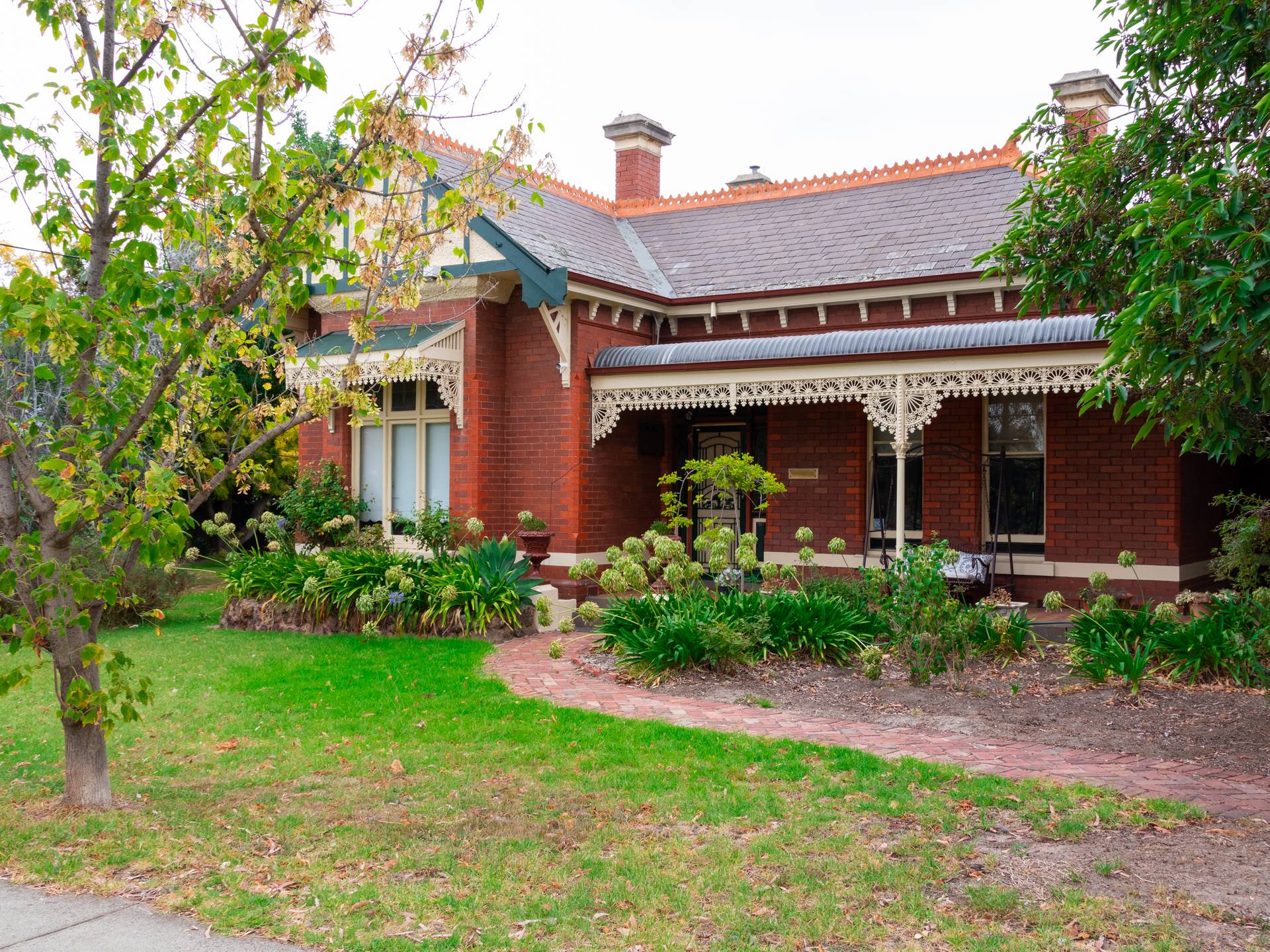
Heritage Overlays and Why Period Home Extensions Cost More in Melbourne
If your property is subject to a heritage overlay, it’s important to understand that all services — whether you engage an architect, draftsman, or builder — will typically cost more for a period home extension in Melbourne.
Heritage overlays are common across Melbourne suburbs with Victorian, Edwardian, Federation, and Californian Bungalow homes, and they introduce additional planning and design requirements that can impact both timeframes and budgets.
This is typically due to:
- Additional planning documentation required for council approval
- More detailed and sensitive design work to suit heritage conditions
- Council consultations and stricter planning controls
- The need to preserve, restore, or replicate original character features
As a result, both design fees and construction costs for heritage home extensions in Melbourne are generally higher compared to standard projects.
→This is a key factor to consider early, as heritage requirements can influence whether you need an architect or draftsman — and how your extension is designed and built.
How to Choose Between an Architect or Draftsman for Your Period Home Extension in Melbourne
Choosing between an architect or draftsman for your period home extension in Melbourne comes down to the complexity of your project, your budget, and how the design will be delivered and built. Whether you’re planning a rear home extension, ground floor extension, or second storey addition to a Victorian, Federation, or Californian Bungalow, the right approach will depend on the level of design detail and planning required.
If your extension involves complex heritage overlay requirements, a highly customised design, or a premium architectural outcome, an architect may be the right choice. However, for many standard rear extensions and ground floor extensions, a draftsman working alongside an experienced builder can provide a more practical and cost-effective solution.
→The most important factor is not just who designs your extension — but whether the design is realistic to build, aligned with your budget, and meets Melbourne council requirements from the start.
Modern Extensions to Period Homes in Melbourne
Many homeowners extending period homes in Melbourne — including Victorian, Federation, and Californian Bungalows — are choosing to combine traditional character with a modern rear extension. This approach allows you to retain the original street appeal while creating a contemporary open-plan living space at the back of the home.
Modern extensions to period homes require careful planning to ensure the new addition complements the existing structure, meets council requirements, and remains practical to build. Whether you’re working with an architect or draftsman, the key is achieving a balance between design, functionality, and budget.
→If you’re considering this type of project, you can learn more about modern home extensions in Melbourne.
When an Architect May Be the Right Choice for Period Home Extensions in Melbourne
An architect can be beneficial for period home extensions in Melbourne where the design is complex or highly customised — particularly when working with Victorian, Edwardian, Federation, or Californian Bungalow homes under heritage overlays.
Architects are often engaged when the goal is to create a high-end, design-driven extension or achieve a seamless integration between the original home and a modern addition.
You may need an architect if:
- Your project involves complex heritage overlay requirements or council planning constraints
- You’re aiming for a premium architectural outcome or unique design
- The extension requires significant structural changes or design transformation
- You want a strong contrast or carefully integrated transition between old and new
→While architects can deliver highly detailed and customised designs, this level of involvement typically comes with higher design fees and, in some cases, increased overall project costs.
When a Draftsman Is the Right Choice for Period Home Extensions in Melbourne
For many period home extensions in Melbourne — particularly Victorian, Edwardian, Federation, and Californian Bungalow homes — a draftsman is often the most practical and cost-effective choice.
Draftsmen (or building designers) focus on creating functional, buildable designs that work within the constraints of existing homes, while still achieving a clean and modern outcome.
A draftsman is usually suitable if:
- Your extension is a standard rear addition to a period home
- You want to maintain the original character at the front while modernising the rear
- The project needs to stay within a defined construction budget
- You’re looking for a straightforward and efficient design process
- The design needs to be practical, compliant, and ready to build
Many experienced draftsmen in Melbourne also understand local council requirements and can work with heritage overlays, particularly when the proposed changes are focused on the rear of the property and do not significantly alter the street-facing façade.
→When combined with the input of an experienced builder, this approach can deliver a well-designed, compliant, and cost-effective result for most period home extensions.
The Role of a Builder in Period Home Extensions in Melbourne
Regardless of whether you choose an architect or draftsman for your period home extension in Melbourne, one of the most important factors is ensuring the design can actually be built within your budget.
From a builder’s perspective, many of the challenges we see in period home extensions — including Victorian, Edwardian, Federation, and Californian Bungalow homes — come down to designs that look good on paper but don’t translate into practical, cost-effective construction.
Common issues include:
- Designs that don’t align with real construction costs
- Overly complex plans that add unnecessary expense without adding value
- Delays caused by council approvals, heritage overlay requirements, or redesigns
- Plans that don’t consider buildability or site constraints from the start
→This is why many Melbourne homeowners choose to involve an experienced builder early when planning a period home extension.
This is particularly common in established suburbs such as Richmond, Carlton, Hawthorn, and Kew, where period homes and heritage overlays often add complexity to extension projects
Why a Builder-Led Approach Works for Home Extensions in Melbourne
A builder-led approach to period home extensions in Melbourne focuses on practical design, cost control, and buildability from day one.
This approach can help you:
- Ensure the design is practical, efficient, and cost-effective to build
- Align the project with Melbourne council and heritage planning requirements from the beginning
- Avoid costly redesigns or changes during the approval or construction phase
- Get realistic guidance on budget, materials, and construction methods
- Streamline the process from design through to construction
→For many standard period home extensions, working with a builder alongside a draftsman can provide the best balance between design, cost, and a successful build outcome.
→If you’re planning a period home extension in Melbourne, getting advice from an experienced builder early can help you make the right decision before committing to design costs.
The Key Takeaway for Period Home Extensions in Melbourne
Whether you’re extending a Victorian terrace, Victorian cottage, Federation home, or Californian Bungalow in Melbourne, the decision between an architect and a draftsman ultimately comes down to:
- The complexity of your project
- Your design goals and expectations
- Your budget and build constraints
For many standard period home extensions — particularly rear extensions to Victorian terraces and cottages — a draftsman working alongside an experienced Melbourne builder can deliver the best balance of design, cost, and buildability.
For more complex or high-end projects, an architect may be the right choice. However, ensuring the design is practical to build, aligned with your budget, and suited to Melbourne council requirements should always be the priority.
Do You Need an Architect — or Can a Builder Help With Your Home Extension in Melbourne ?
Here’s what most people don’t realise:
→Many home extension projects in Melbourne — including rear extensions, ground floor extensions, and second storey additions — are successfully designed and built with the guidance of an experienced builder.
In fact, this approach can often save time, money, and stress.
Why?
Because builders:
- Design with real construction costs in mind
- Avoid overdesign that leads to budget blowouts
- Focus on what can be built efficiently and practically
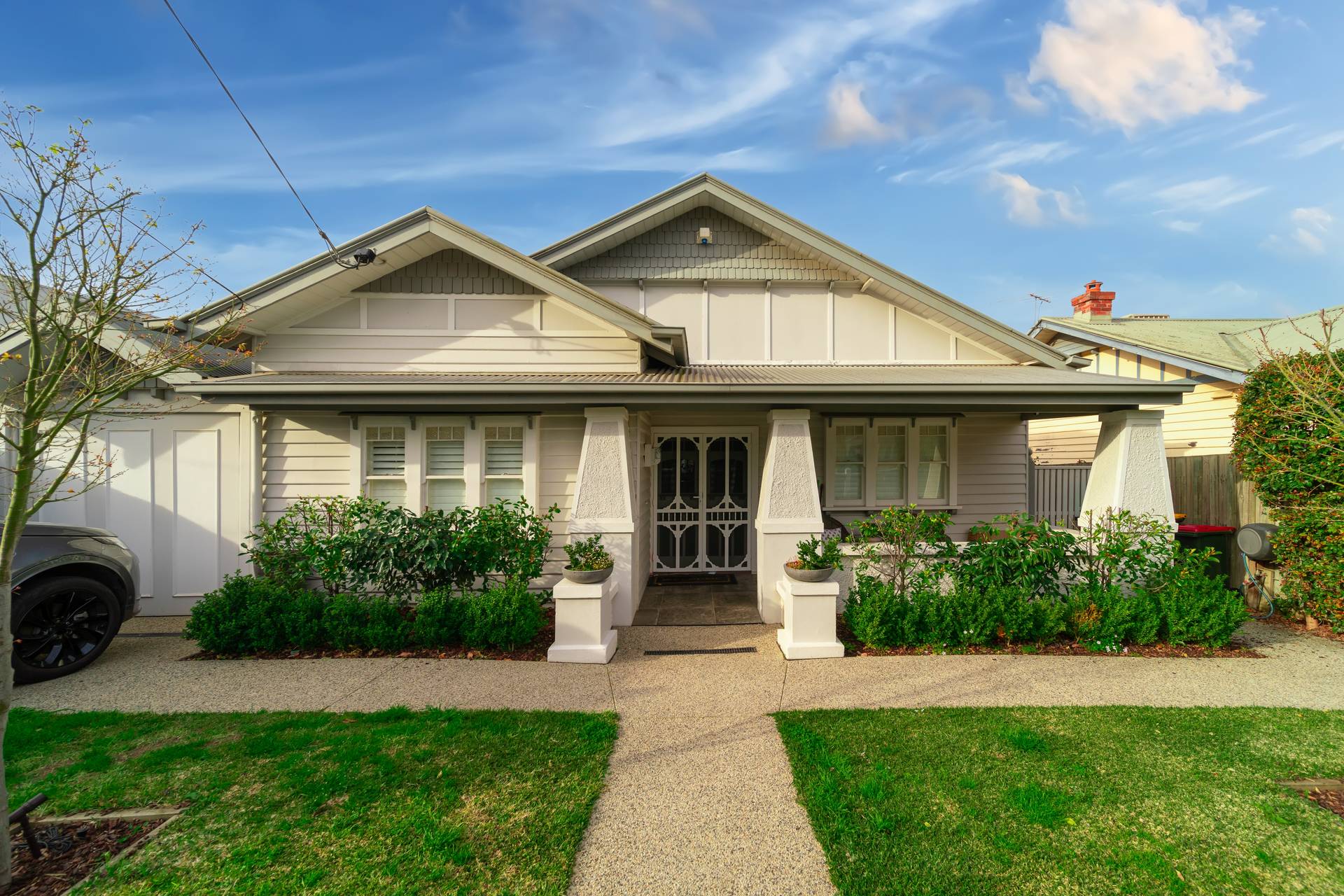
What About Melbourne Regulations for Home Extensions?
In Melbourne, most home extensions — whether you’re planning a rear extension, ground floor extension, or second storey addition — will need to comply with both planning permits and building permits, depending on your property and the scope of works.
A planning permit is typically required if your home is affected by zoning controls, overlays (such as heritage overlays), or if the proposed extension changes the external appearance of the property. This is assessed by your local council and can influence the overall design, materials, height, and layout of your extension.
A building permit, on the other hand, is required for almost all home extensions and ensures that the design complies with the Victorian Building Regulations, including structural integrity, safety, and energy efficiency. This is usually issued by a registered building surveyor before construction begins.
Where architects and draftsmen fit in
Both architects and draftsmen can assist with navigating the planning and building permit process for period home extensions in Melbourne.
- Architects are often engaged for more complex projects, particularly where heritage overlays or detailed design responses are required. They may manage planning applications, coordinate consultants, and oversee the project through approvals and construction.
- Draftsmen (or building designers) typically prepare the drawings required for planning and building permits and can work with builders and surveyors to ensure the design meets council and regulatory requirements, especially for more straightforward extensions.
Depending on your project, you may need:
- A planning permit from your local Melbourne council
- A building permit before construction can begin
- Compliance with heritage overlay or neighbourhood character requirements
- Input from engineers or other consultants
Choosing the right design approach early — whether working with an architect, draftsman, or builder — can help ensure your plans meet council requirements from the start.
→This can:
- Speed up approvals
- Reduce the risk of redesigns
- Avoid costly delays during construction
Frequently Asked Questions About Period Home Extensions in Melbourne
Do I need an architect or a draftsman for a period home extension in Melbourne?
For most period home extensions in Melbourne — including Victorian, Federation, and Californian Bungalows — you don’t always need an architect. A draftsman (or building designer) is often sufficient for standard rear extensions, particularly when working alongside an experienced builder. However, if your project involves complex heritage overlays, a highly customised design, or a premium architectural outcome, an architect may be the better choice.
What is the difference between an architect and a draftsman?
The main difference between an architect and a draftsman is their focus and level of involvement. Architects typically specialise in design, creativity, and managing complex projects, while draftsmen focus on practical, cost-effective drawings that are ready for construction. For many home extensions in Melbourne, a draftsman can provide everything needed for council approval and building.
Which is better for home extensions — architect or draftsman?
Neither is universally “better” — it depends on your project. For high-end or complex period home extensions, an architect may be beneficial. For standard rear extensions or budget-conscious projects, a draftsman working with a builder is often the more practical and cost-effective option.
How much does an architect cost for a home extension in Melbourne?
Architect fees for home extensions in Melbourne typically range from $8,000 to $25,000+, depending on the complexity of the project. In some cases, architects may also charge 5% to 10% of the total construction cost if they are involved throughout the build. For larger extensions, this can significantly increase the overall project cost.
Is a draftsman cheaper than an architect in Australia?
Yes, a draftsman is generally much cheaper than an architect. Draftsman fees for home extensions in Melbourne typically range from $2,000 to $8,000, making them a more cost-effective option for many standard period home extensions.
Do architects charge a percentage of the build cost?
Yes, some architects charge a percentage of the total construction cost, usually between 5% and 10%, depending on their level of involvement. This is typically for full-service projects where the architect manages design, documentation, and construction oversight.
Do I need an architect for a heritage or period home extension?
You don’t always need an architect for a heritage or period home extension in Melbourne. Many projects can be successfully completed using a draftsman, particularly for rear extensions that don’t significantly alter the front façade. However, for complex heritage projects or highly detailed designs, an architect may be required.
Can a draftsman design a heritage home extension in Melbourne?
Yes, an experienced draftsman can design many heritage home extensions in Melbourne, especially for straightforward projects. They are often familiar with local council requirements and can prepare plans that meet heritage overlay conditions, particularly when working with a builder who understands the approval process.
What is a heritage overlay and how does it affect my extension?
A heritage overlay is a planning control used by Melbourne councils to protect the character of period homes and neighbourhoods. If your property is affected, it may require additional approvals, more detailed design work, and stricter guidelines — which can increase both design and construction costs for your extension.
Can a builder design my home extension in Melbourne?
Yes, many builders in Melbourne offer design-and-build services or work closely with draftsmen to develop practical, cost-effective extension designs. Involving a builder early can help ensure the design aligns with your budget, meets council requirements, and avoids costly redesigns.
Should I speak to a builder before hiring an architect or draftsman?
Yes, speaking to a builder early in the process is often a smart move. A builder can provide guidance on budget, feasibility, and what is realistically achievable for your home extension. This can help you avoid overpaying for design work that may not be practical to build.
What is the best way to design a rear extension for a period home?
The best way to design a rear extension for a period home in Melbourne is to balance modern living needs with the original character of the property. This often involves retaining the front of the home while creating an open-plan extension at the rear. Working with a draftsman and builder can help ensure the design is functional, compliant, and cost-effective.
Not Sure Whether You Need an Architect or Draftsman for Your Period Home Extension in Melbourne?
If you’re planning a period home extension in Melbourne and unsure whether to use an architect, draftsman, or builder, the most important first step is getting the right advice before committing to design costs.
→We help homeowners make the right decision early by combining practical design guidance with real construction experience.
We can help you:
- Understand whether you need an architect or draftsman for your home extension
- Avoid overpaying for unnecessary or overcomplicated design work
- Plan a cost-effective, buildable extension that suits your home and budget
- Get clear direction on rear extensions, ground floor extensions, or second storey additions
→In many cases, involving an experienced builder early leads to a smoother process, fewer delays, and a better overall result.
Get in touch today to discuss your period home extension in Melbourne or request a quote.
Building Ideas & Guides

Home Extensions Melbourne: Costs, Ideas & Expert Builders
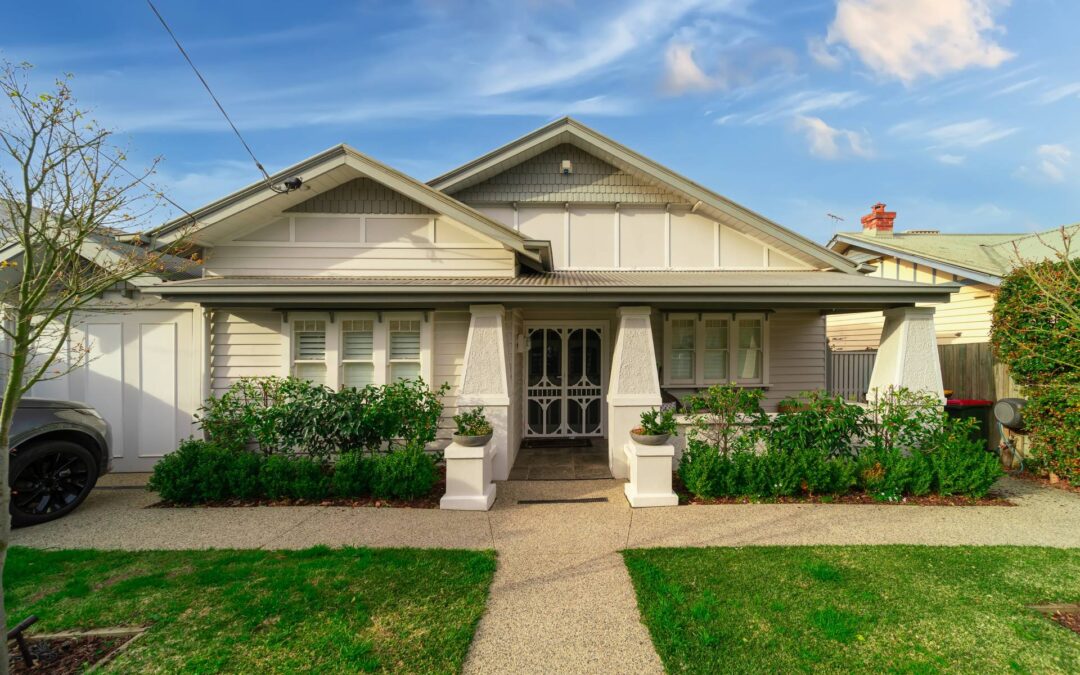
Californian Bungalow Extension Costs Melbourne
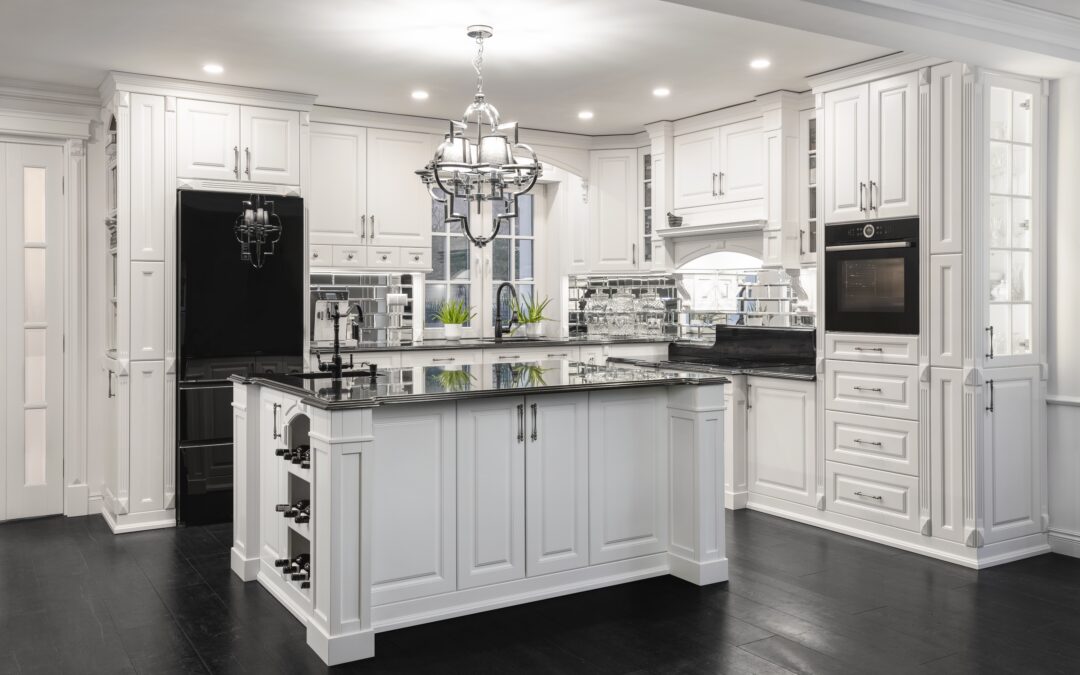
Hamptons Style Homes in Melbourne: Design, Features & Extensions
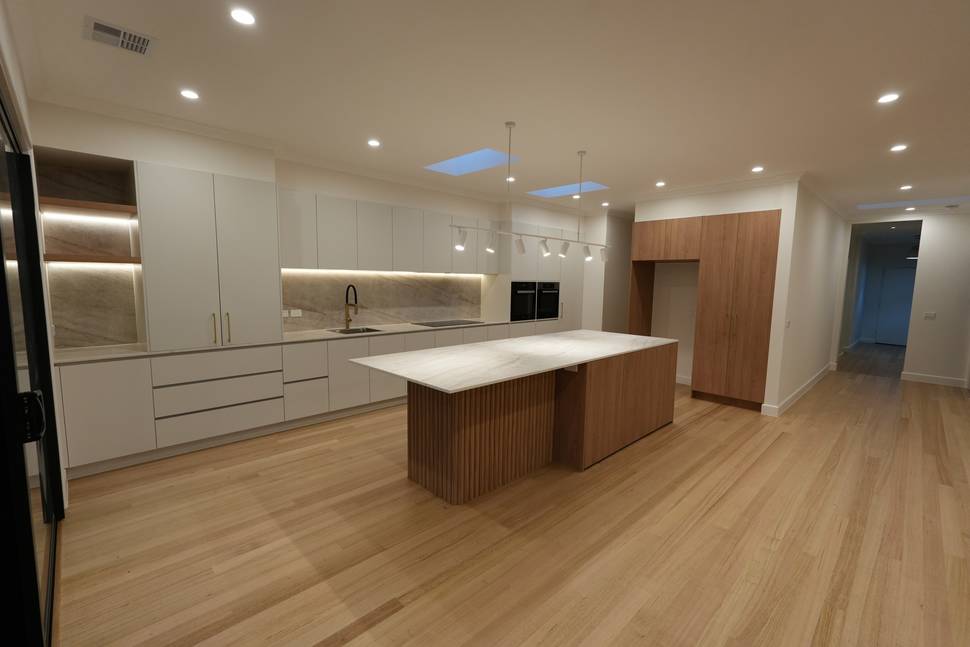
Do You Need a Planning Permit for a Home Extension in Victoria?
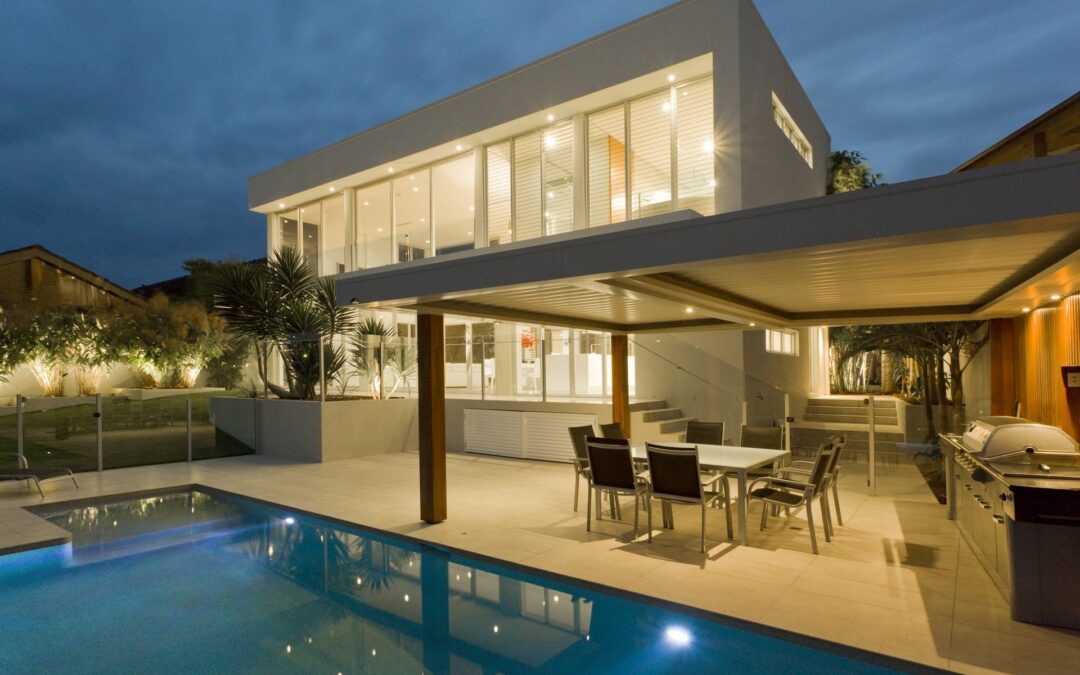
Sloping Block Homes Melbourne
Post and Beam Homes Melbourne: Custom New Homes & Home Extensions
Mud Brick Houses in Melbourne: History, Benefits & Extension Ideas
Victorian Home Restoration & Renovation Cost Guide Melbourne
Home Addition Price Estimates By Room Type