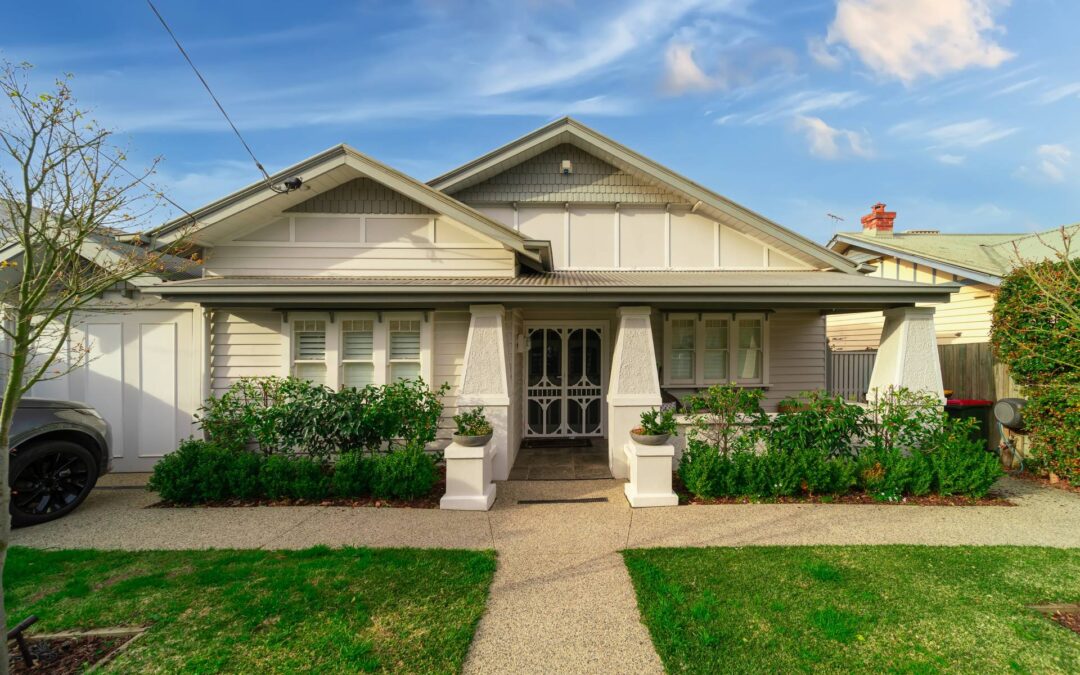
Californian Bungalow Extension Costs in Melbourne
Californian Bungalows are one of the most sought-after home styles across Melbourne suburbs like Brunswick, Northcote, Fitzroy, Coburg, and Camberwell. Their charm, street appeal, and generous block sizes make them ideal for custom, tailored extensions that blend heritage character with modern living.
But how much does it actually cost to extend a Californian bungalow in Melbourne?
In this guide, we break down real extension costs, key cost drivers, and design considerations, including re-roofing, rear access constraints, and whether a single-storey or double-storey extension is the right fit for your home.
Typical Californian Bungalow Extension Costs Melbourne
When estimating Californian bungalow extension costs in Melbourne, pricing is typically calculated per square metre. However, every project is unique, especially when working with older homes that require custom solutions.
Average Cost Per Square Metre
- Single-storey rear extension: $2,100 – $3,500 per m²
- Side extension: $2,200 – $4,000 per m²
- Second-storey addition: $2,700 – $4,500 per m²
For custom-designed, high-end extensions, costs can exceed $4,500–$5,500 per m² depending on finishes, structural complexity, and site conditions.
Total Project Cost Guide
- Small extension (40–60m²): $120,000 – $250,000
- Medium extension (80–120m²): $250,000 – $500,000
- Large or custom architectural extension: $500,000 – $900,000+
Re-Roofing Costs for Californian Bungalows
One of the biggest hidden costs in any Californian bungalow extension in Melbourne is roof work.
Why Re-Roofing is Often Required
Integrating a new rear extension with the existing structure
Raising ceiling heights for open-plan living
Adding a second storey (full roof removal required)
Typical Re-Roofing Costs
Partial roof tie-in: $10,000 – $30,000
Major roof restructure: $30,000 – $80,000
Full re-roof (double-storey extension): $60,000 – $150,000+
Because many Melbourne bungalows were built with lower heights and older framing, roof upgrades are often essential to achieve a modern, functional layout.
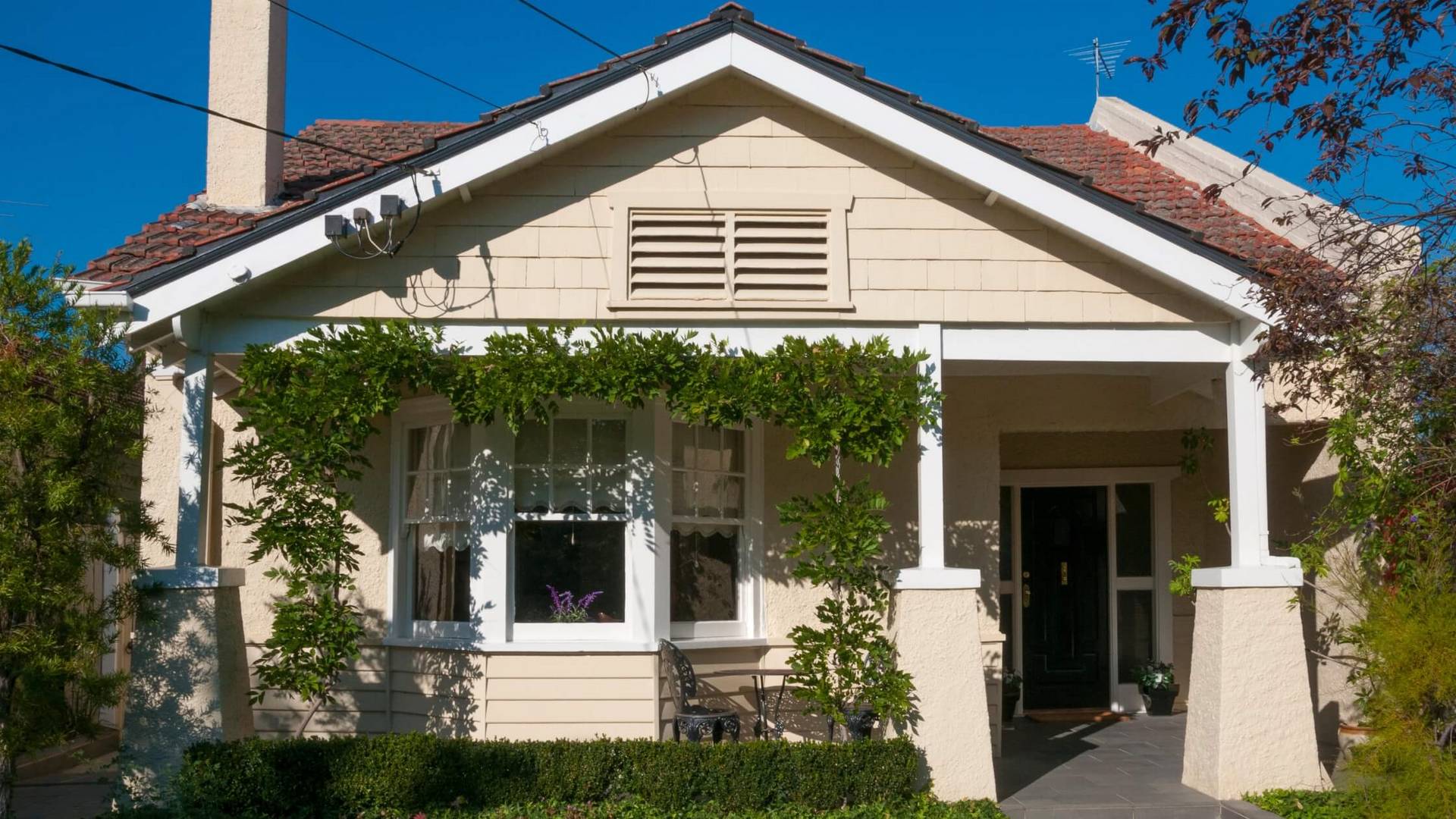
Rear Access Constraints and Their Impact on Cost
Rear access is one of the most overlooked factors affecting bungalow extension costs in Melbourne suburbs like Fitzroy, Carlton, Brunswick East, and Northcote.
Common Access Challenges
- Narrow side access or no driveway
- Limited room for machinery or deliveries
- Manual handling of materials
Cost Impact of Limited Access
- Basic constraint: +$5,000 – $10,000
- Tight access: +$10,000 – $25,000
- Severe constraints: +$25,000 – $50,000+
Homes in inner Melbourne often require tailored construction approaches, which can significantly increase labour costs and build time.
Single-Storey vs Double-Storey Bungalow Extensions
Choosing between a single-storey extension or a double-storey addition is one of the most important decisions when planning a custom Californian bungalow extension in Melbourne.
Cost Comparison
- Single-storey extension: $2,800 – $3,500 per m²
- Double-storey addition: $4,000 – $5,500 per m²
A second-storey addition typically costs 40–60% more per square metre due to increased structural and engineering requirements.
Structural and Design Differences
Single-storey extensions
- Simpler construction process
- Lower engineering costs
- Easier integration with existing home
Double-storey additions
- Full roof removal and rebuild
- Structural strengthening required
- More complex design and construction
Land vs Lifestyle Trade-Off
- Factor Single Storey Extension Double Storey Addition
- Cost per m² Lower Higher
- Backyard space Reduced Preserved
- Build complexity Lower Higher
- Planning requirements Simpler More complex
Which Option is Right for Your Melbourne Home?
A single-storey rear extension is ideal for homeowners wanting a cost-effective, open-plan design with strong indoor-outdoor flow.
A double-storey extension is better suited to tighter inner-city blocks where preserving outdoor space is a priority.
Additional Cost Factors for Bungalow Extensions
When planning a custom-designed bungalow extension in Melbourne, it’s important to account for additional costs that can impact your budget.
- Heritage overlays: Common in suburbs like Kew, Hawthorn, and Essendon ($10k–$40k+)
- Structural upgrades: Re-stumping, underpinning, and wall removal
- Services upgrades: Electrical, plumbing, and insulation ($15k–$50k+)
- Matching period details: Weatherboards, trims, and finishes to maintain character
Every home is different, which is why tailored design and construction solutions are essential for achieving the best outcome.
Why Choose a Custom Bungalow Extension?
No two Californian bungalows are the same. A well-designed extension should feel like a natural continuation of the home—not an afterthought.
Working with a builder who specialises in custom, tailored bungalow extensions in Melbourne ensures:
- Seamless integration between old and new
- Design that respects heritage character
- Efficient use of space and budget
- A unique result suited to your lifestyle
Get a Tailored Quote for Your Californian Bungalow Extension
Planning a Californian bungalow extension in Melbourne?
Every project is different, and the best way to understand your true cost is with a tailored assessment based on your block, design goals, and level of finish.
Contact us today to discuss your custom extension and get a detailed quote tailored to your home.
We specialise in custom-designed bungalow extensions across Melbourne, delivering high-quality, unique results that enhance both lifestyle and property value.
Learn more about our period home extension services in Melbourne
Building Ideas & Guides

Home Extensions Melbourne: Costs, Ideas & Expert Builders
Hamptons Style Homes in Melbourne: Design, Features & Extensions
Do You Need a Planning Permit for a Home Extension in Victoria?
Sloping Block Homes Melbourne
Post and Beam Homes Melbourne: Custom New Homes & Home Extensions
Mud Brick Houses in Melbourne: History, Benefits & Extension Ideas
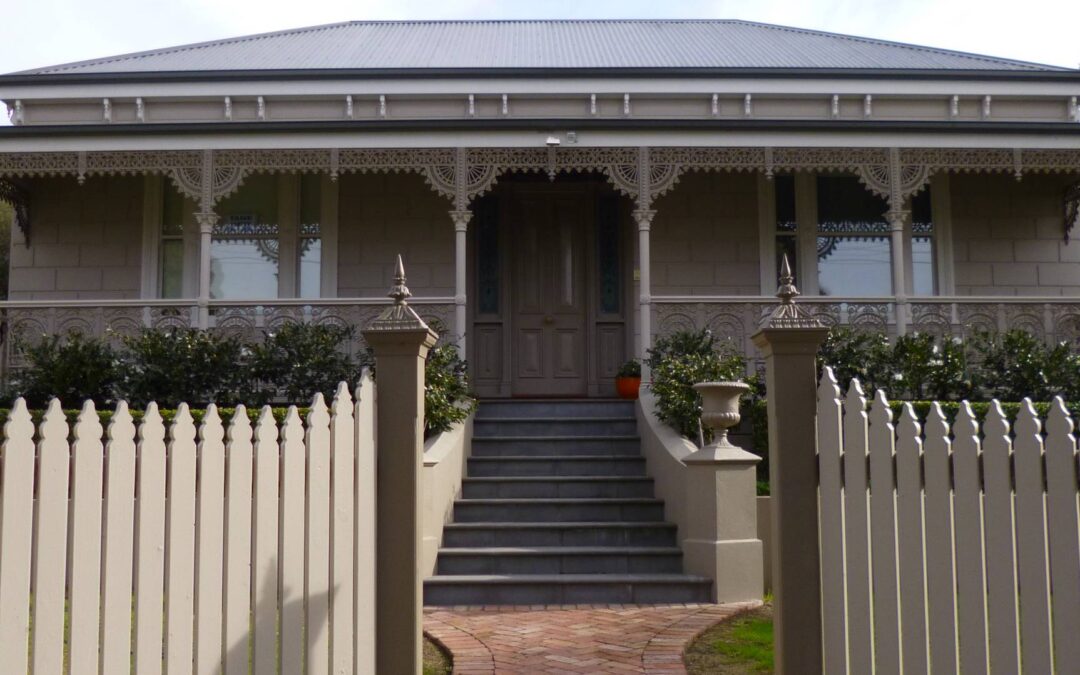
Victorian Home Restoration & Renovation Cost Guide Melbourne
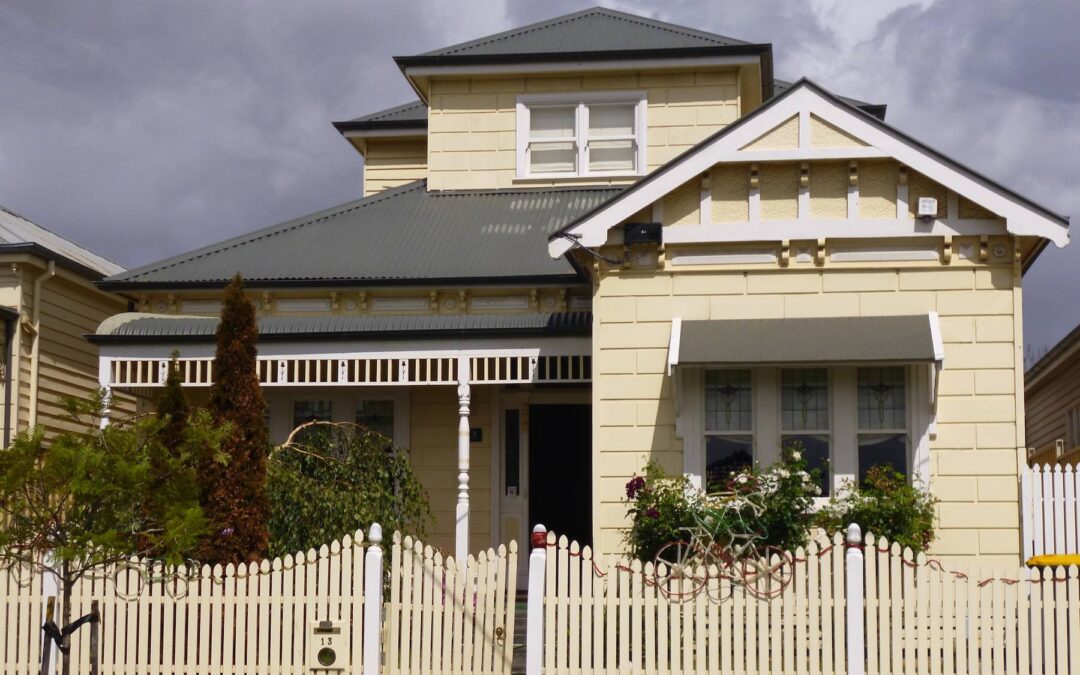
Home Addition Price Estimates By Room Type
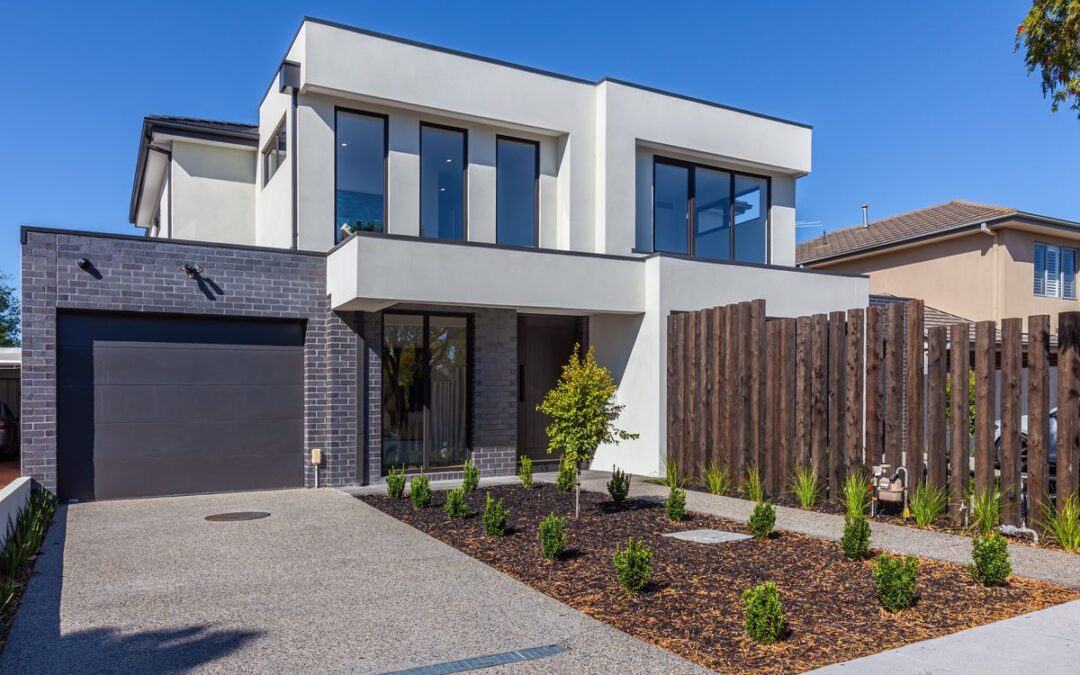
Victoria’s New Townhouse and Low-Rise Code: What It Means for Homeowners