
Home Extensions Melbourne: Costs, Ideas & Expert Builders
Home extensions in Melbourne are becoming an increasingly popular way for homeowners to create more space without the need to move. With rising property prices and the cost of relocating, extending your home can be a more practical and cost-effective solution.
Whether you’re planning a rear home extension, second storey addition, or full home renovation in Melbourne, a well-designed extension can improve functionality, increase property value, and transform how you live.
In this guide, we’ll cover everything you need to know about home extensions in Melbourne, including costs, design ideas, planning considerations, and how Hamptons-style renovations and extensions are being used across suburbs like Brighton, Camberwell and Kew.
Thinking about a home extension? Get a tailored cost estimate for your Melbourne project.
Cost of Home Extensions in Melbourne
Understanding the cost of home extensions in Melbourne is one of the first and most important steps when planning your project. Costs can vary significantly depending on the type of extension, level of finishes, and complexity of the build.
Many homeowners researching home extension costs in Melbourne are comparing options such as ground floor extensions, second storey additions, and full home renovations.
Typical Home Extension Costs in Melbourne
As a general guide, extension costs typically fall within the following ranges:
- Ground floor extensions Melbourne: $250,000 – $500,000+
- Second storey extensions Melbourne: $350,000 – $800,000+
- High-end or custom home extensions: $800,000+
These figures can vary depending on the size of the extension and the level of detail involved.
For a more detailed breakdown, see our full guide to home extension costs in Melbourne.
What Impacts the Cost of a Home Extension?
Several factors influence the cost of building a home extension in Melbourne, including:
- Size and layout of the extension – Larger, open-plan designs require more materials and structural work
- Site conditions and accessibility – Sloping blocks or limited access can increase costs
- Level of finishes and materials – Premium materials and custom joinery increase overall cost
- Structural complexity – Second storey additions and major structural changes require more engineering
- Council requirements and permits in Melbourne – Planning approvals and regulations can impact timelines and cost
Understanding these factors helps homeowners plan more accurately and avoid unexpected expenses.
Cost of Hamptons Style Home Extensions in Melbourne
Homes designed in a Hamptons style typically sit toward the premium end of the market due to the level of detail and quality finishes involved.
Key cost drivers include:
- High-quality materials such as weatherboard cladding and stone finishes
- Detailed joinery, including shaker cabinetry and custom features
- Larger windows, higher ceilings, and open-plan layouts
- Enhanced façade and street appeal
As a result, Hamptons-style home extensions in Melbourne are often positioned as a high-end investment that delivers both lifestyle and long-term value.
How to Budget for a Home Extension
When planning your project, it’s important to:
- Set a realistic budget range
- Allow for contingency (typically 10–15%)
- Prioritise key areas such as kitchens and living spaces
- Work with an experienced Melbourne builder to refine costs early
Many homeowners begin by researching how much a home extension costs in Melbourne, then move toward obtaining a tailored estimate based on their specific property and goals.
Get an Accurate Cost Estimate
Every project is different, and the best way to understand your costs is to get tailored advice based on your home, block, and design preferences.
Request a personalised home extension cost estimate in Melbourne
Speak with an experienced builder about your project
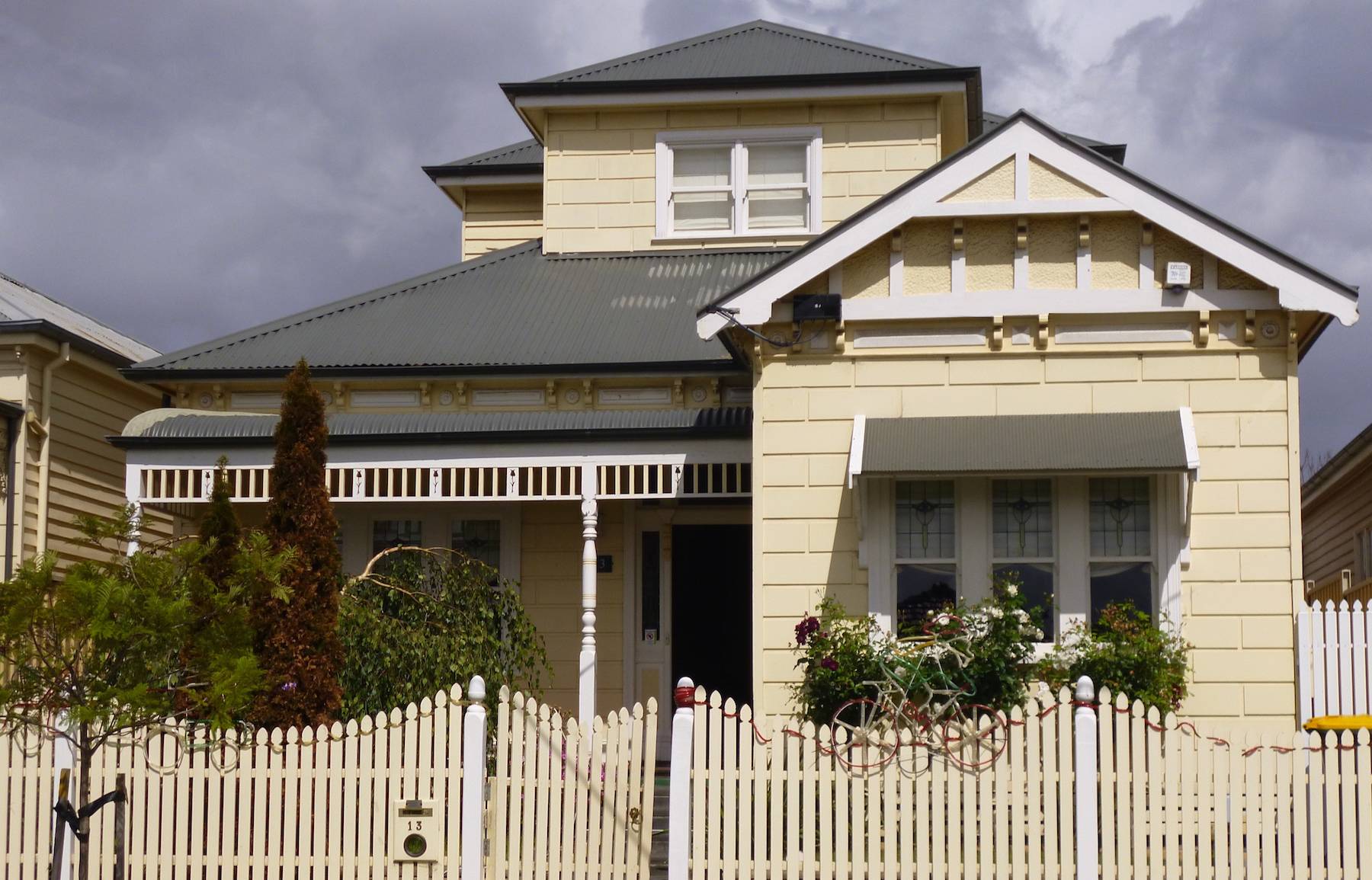
Types of Home Extensions in Melbourne
Choosing the right type of home extension in Melbourne depends on your block, existing home layout, and long-term lifestyle goals. Whether you’re expanding your living space or planning a full renovation, each extension type offers unique benefits.
Ground Floor Extensions Melbourne
Ground floor extensions are ideal for expanding living areas, kitchens, and entertaining zones, particularly in suburbs where land is available.
They are commonly used for:
- Kitchen and living extensions in Melbourne
- Open-plan family spaces
- Indoor-outdoor entertaining areas
These extensions are especially popular in Melbourne’s inner-east and bayside suburbs, where homeowners are upgrading existing homes to suit modern living.
Second Storey Extensions Melbourne
Second storey extensions are a practical solution when land is limited, allowing homeowners to add bedrooms, bathrooms, and living areas without sacrificing outdoor space.
They are ideal for:
- Growing families needing more space
- Maximising smaller blocks
- Increasing property value in premium suburbs
Many homeowners researching second storey extension costs in Melbourne choose this option to future-proof their homes.
Learn more about planning and pricing in our home extension cost guide Melbourne.
Rear Home Extensions Melbourne
Rear extensions are one of the most common and effective ways to transform a home, opening up the back of the property into a modern, open-plan living space.
They are commonly used for:
- Open-plan kitchen and living extensions
- Seamless indoor-outdoor flow
- Large entertaining areas
Rear home extensions in Melbourne are particularly popular for Hamptons-style renovations, where homeowners want to create light-filled, spacious interiors with a timeless design.
Hamptons Style Home Extensions
Many homeowners choose to incorporate Hamptons-style design into their home extensions in Melbourne, combining functionality with high-end finishes.
This typically includes:
- Weatherboard exteriors
- Open-plan layouts
- Large windows and natural light
- Feature kitchens and living spaces
Hamptons-style extensions are especially popular for rear extensions and full home renovations, offering a cohesive and modern transformation.
Why Hamptons Style Homes Are Popular in Melbourne
Hamptons-style homes have seen a strong rise in popularity across Melbourne, particularly in suburbs like Brighton, Kew, Camberwell and Montmorency, where homeowners are looking to combine timeless design with modern living.
This style is widely chosen for both custom homes and home extensions in Melbourne, as it offers flexibility, strong visual appeal, and long-term value.
Timeless, High-End Aesthetic
One of the main reasons homeowners choose Hamptons design is its classic, high-end look that doesn’t go out of style.
The Hamptons aesthetic combines:
- Neutral colour palettes
- Natural textures such as timber and stone
- Elegant architectural detailing
This makes it a popular choice for Hamptons-style renovations in Melbourne, where homeowners want to modernise their homes while maintaining a sophisticated finish.
Perfect for Melbourne Homes
Hamptons design works particularly well with Melbourne’s existing housing styles and suburban layouts.
It is commonly applied to:
- Weatherboard homes
- Heritage and period properties
- Homes in bayside and family-focused suburbs
Many homeowners choose to incorporate Hamptons styling into home extensions in Melbourne, allowing them to upgrade older homes without losing their original character.
Strong Resale Value
Hamptons homes are not only visually appealing but also a smart investment.
Homes with a well-executed Hamptons design often attract premium buyers due to their:
- Broad buyer appeal
- Functional, open-plan layouts
- High-end finishes
In Melbourne, Hamptons-style home extensions and renovations can significantly increase both property value and marketability, particularly in sought-after suburbs.
See how this style works in our Hamptons-style homes Melbourne guide.
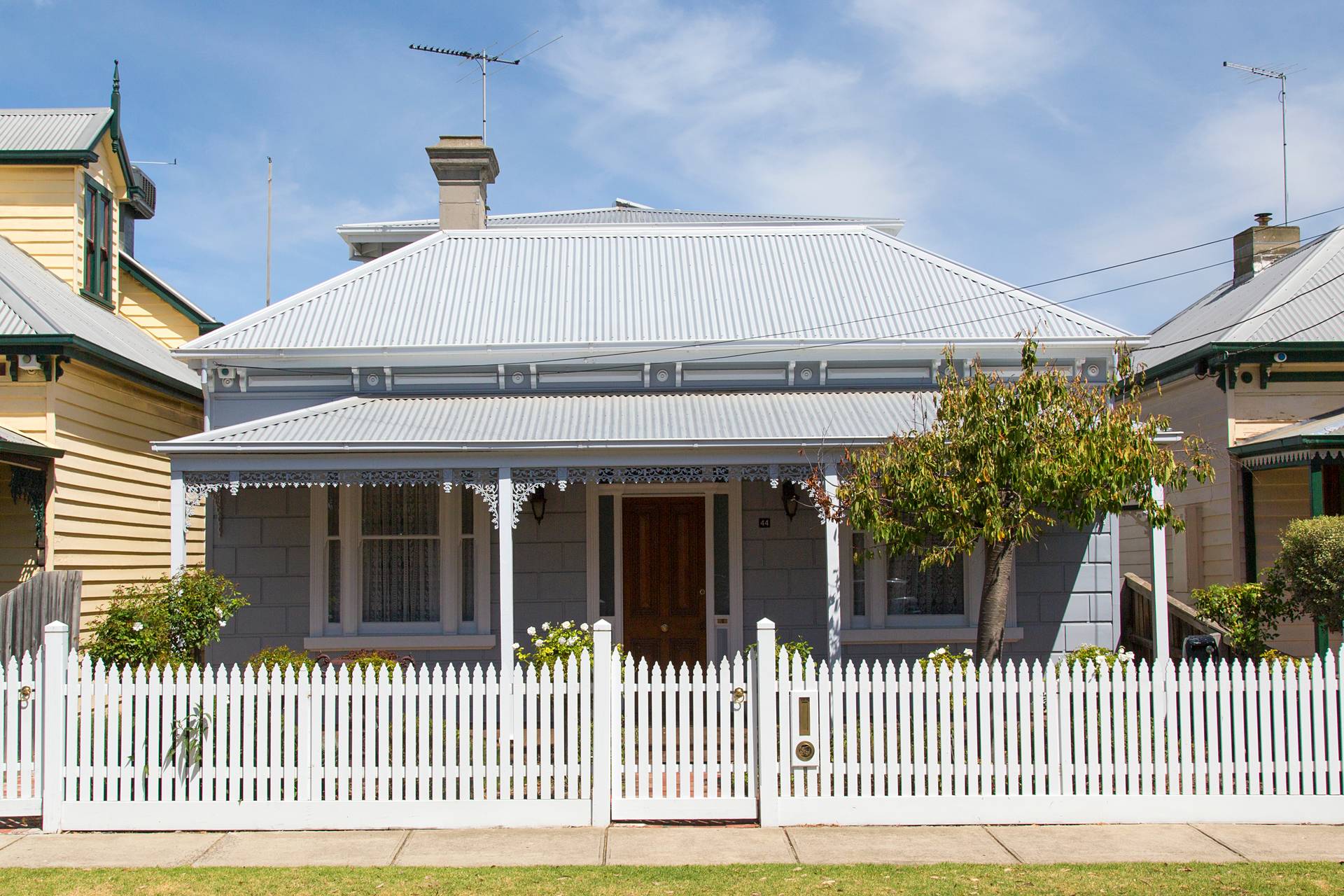
Home Extension Projects Across Melbourne
Local experience matters when choosing a builder. Here are examples of how extensions vary across Melbourne suburbs.
Doncaster – Hamptons Rear Extension
A rear extension designed to maximise indoor-outdoor living, featuring:
- Open-plan kitchen and living
- Large windows for natural light
- Seamless outdoor integration
Camberwell – Second Storey Addition
A growing family needed more space without sacrificing their backyard.
The result:
- Additional bedrooms upstairs
- A cohesive Hamptons-style exterior
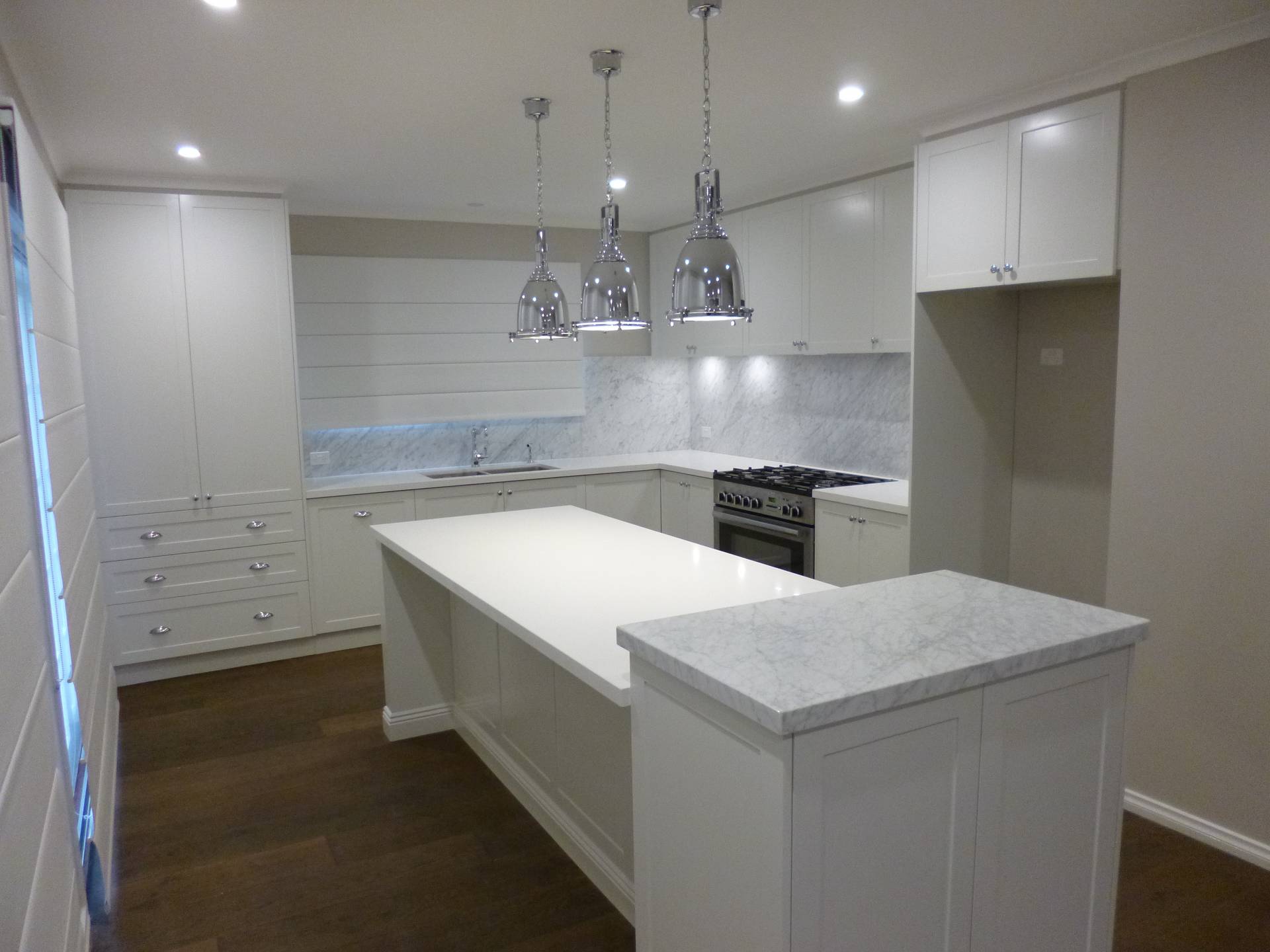
Kew – Kitchen & Living Transformation
A full renovation and extension focused on:
- Modernising the home
- Creating a spacious, functional living zone
These types of projects highlight how extensions can be tailored to different homes and suburbs across Melbourne.
Design Ideas for Modern Home Extensions in Melbourne
If you’re planning a home extension in Melbourne, these design ideas can help you maximise space, improve functionality, and increase long-term value.
Open Plan Living Extensions Melbourne
Open-plan layouts are one of the most popular home extension ideas in Melbourne, combining kitchen, dining, and living areas into one connected space.
This approach:
- Improves natural light
- Enhances flow for entertaining
- Creates a modern family-friendly layout
Open-plan designs are especially common in rear home extensions in Melbourne, where homeowners want to transform older homes into open living spaces.
Natural Light & Large Windows in Home Extensions
Maximising natural light is a key priority in modern home extension design in Melbourne.
Popular solutions include:
- Floor-to-ceiling windows
- Skylights and roof windows
- Glass sliding or bi-fold doors
These features are commonly used in kitchen and living extensions in Melbourne, helping create bright, inviting spaces.
Indoor-Outdoor Living Extensions Melbourne
Seamless indoor-outdoor connection is one of the most requested modern home extension ideas in Melbourne.
This includes:
- Outdoor entertaining areas
- Decks and alfresco spaces
- Large openings to gardens
This design is particularly popular in bayside and family suburbs, where outdoor living is a key lifestyle feature.
Hamptons Style Home Extension Ideas
Hamptons design is one of the most popular styles for home extensions in Melbourne, offering a timeless and high-end finish.
Key features include:
- Weatherboard cladding
- Neutral colour palettes
- Timber flooring
- Feature lighting and cabinetry
These elements are commonly used in Hamptons-style renovations and extensions in Melbourne, particularly for rear extensions and full home upgrades.
Common Mistakes to Avoid When Planning a Home Extension
Planning a home extension in Melbourne can be complex. Avoiding common mistakes can save time, reduce costs, and improve the final result.
Underestimating Home Extension Costs Melbourne
One of the most common mistakes is underestimating the cost of a home extension in Melbourne.
Many projects exceed budgets due to:
- Design changes
- Unexpected site conditions
- Upgrading finishes
Always allow a contingency of 10–15% when budgeting.
Choosing the Wrong Builder in Melbourne
Selecting the right builder is critical to the success of your project.
Look for:
- Experience with home extensions in Melbourne
- Knowledge of local council requirements
- Proven track record with similar builds
Working with an experienced builder helps avoid delays and costly mistakes.
Ignoring Council Regulations in Melbourne
Each suburb in Melbourne has different planning requirements, particularly for:
- Heritage homes
- Overlays and zoning
- Building height and setbacks
Ignoring these can lead to delays and redesign costs when planning your home extension in Melbourne.
Overcapitalising on Your Home Extension
It’s important to balance your design goals with your property’s value.
Overcapitalising can occur when:
- The build cost exceeds resale value
- The design doesn’t match the suburb
Understanding your local market helps ensure your home extension investment in Melbourne delivers long-term value.
Choosing the Right Home Extension Builder in Melbourne
The right builder can make or break your project.
Look for:
- Proven experience with Melbourne extensions
- A strong portfolio of completed projects
- Clear communication and transparent pricing
- Experience with your preferred style (e.g. Hamptons)
Working with a builder who understands both construction and design ensures a smoother process and better outcome.
Get a Quote for Your Home Extension in Melbourne
Planning a home extension in Melbourne? Whether you’re still exploring ideas or ready to start building, getting expert advice early can help you avoid costly mistakes and make confident decisions.
For many homeowners, the best results come from combining smart design with a clear plan — especially when incorporating Hamptons-style home extensions or renovations.
What You’ll Get
When you speak with an experienced Melbourne builder, you’ll receive:
- Tailored cost guidance based on your home, block and project scope
- Design recommendations to maximise space, light and functionality
- Advice specific to your suburb, including council requirements and planning considerations
- Insights into Hamptons-style extensions and renovations, if you’re looking for a timeless, high-end finish
Start Your Project with Confidence
Whether you’re planning a rear home extension, second storey addition, or full home renovation, the next step is getting clear, personalised advice.
Get a personalised home extension cost estimate in Melbourne
Final Note
A well-planned home extension or renovation doesn’t just add space — it transforms how you live.
By combining thoughtful design, quality construction, and a clear vision — such as a Hamptons-style extension — you can create a home that is functional, visually appealing, and built to suit your lifestyle for years to come.
Building Ideas & Guides
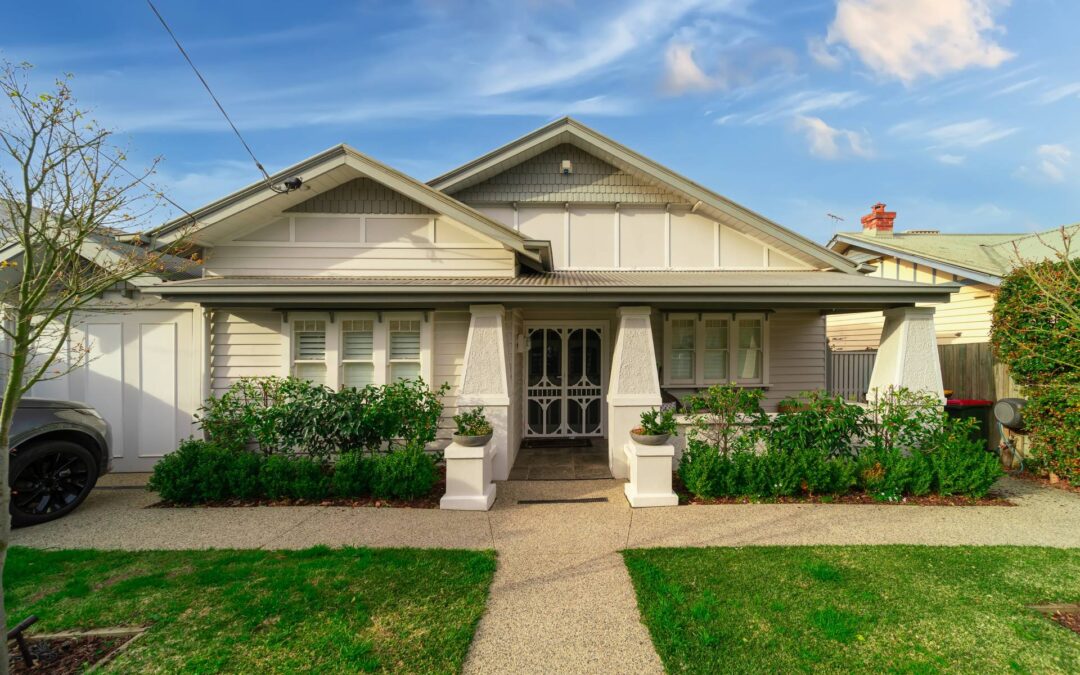
Californian Bungalow Extension Costs Melbourne
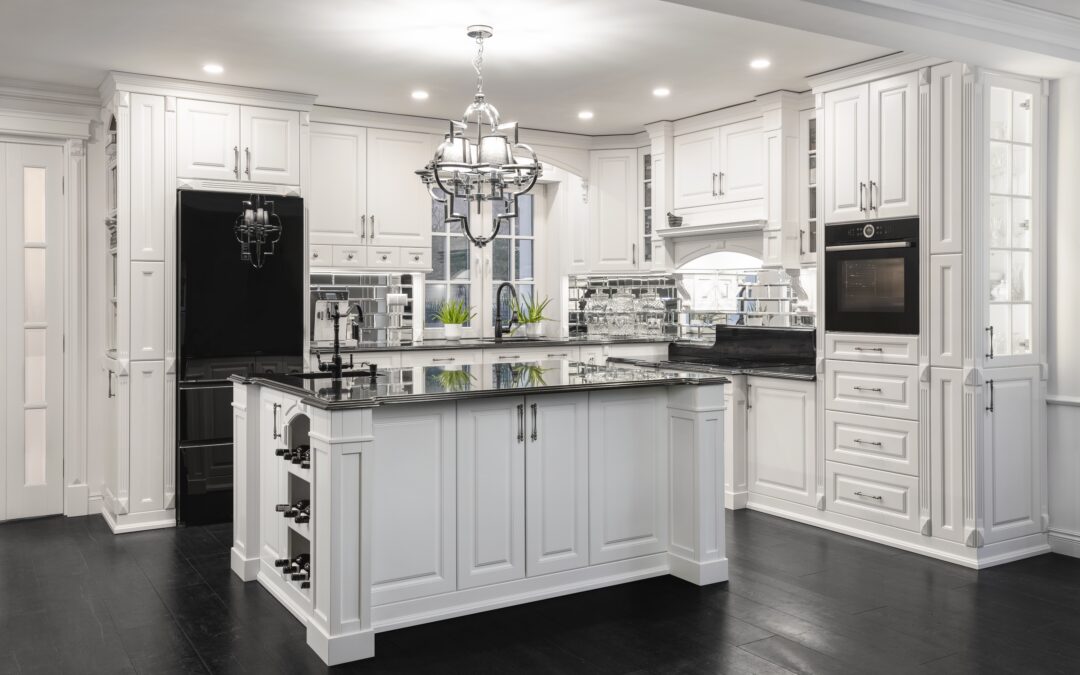
Hamptons Style Homes in Melbourne: Design, Features & Extensions
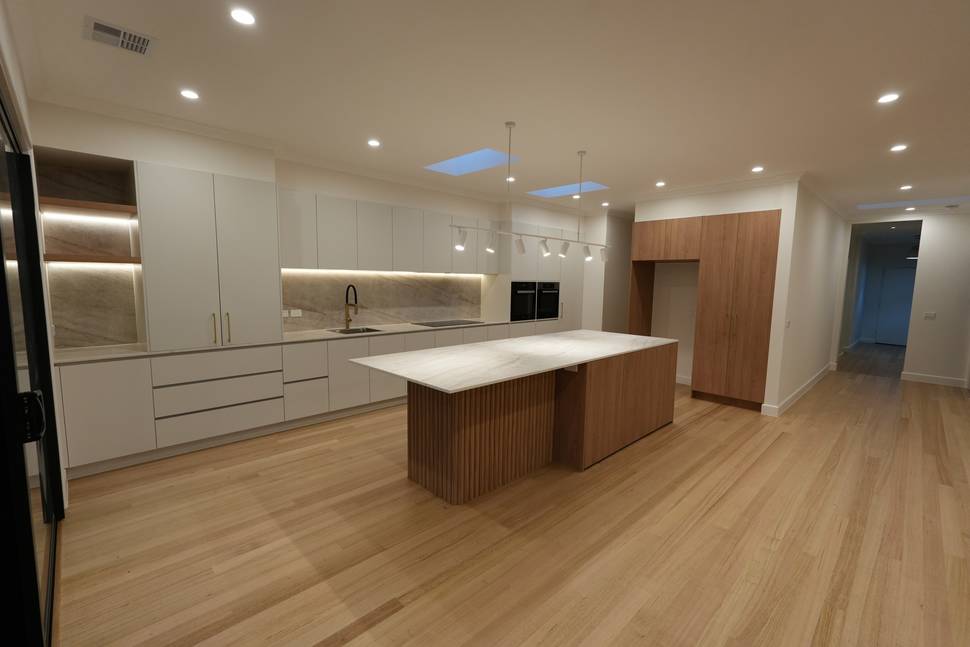
Do You Need a Planning Permit for a Home Extension in Victoria?
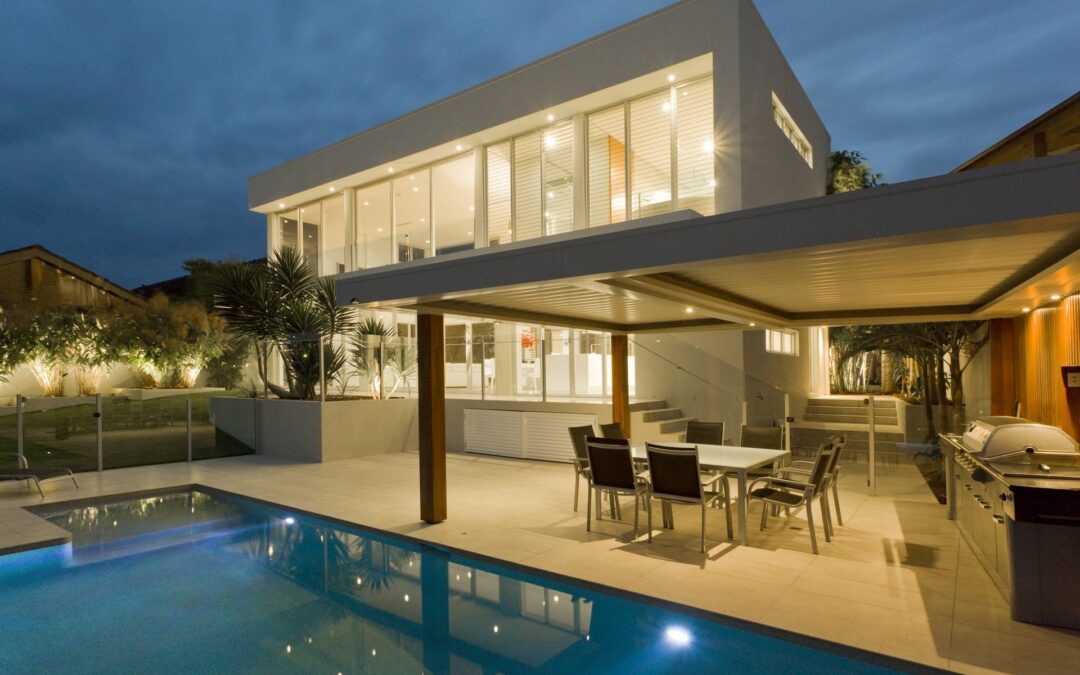
Sloping Block Homes Melbourne
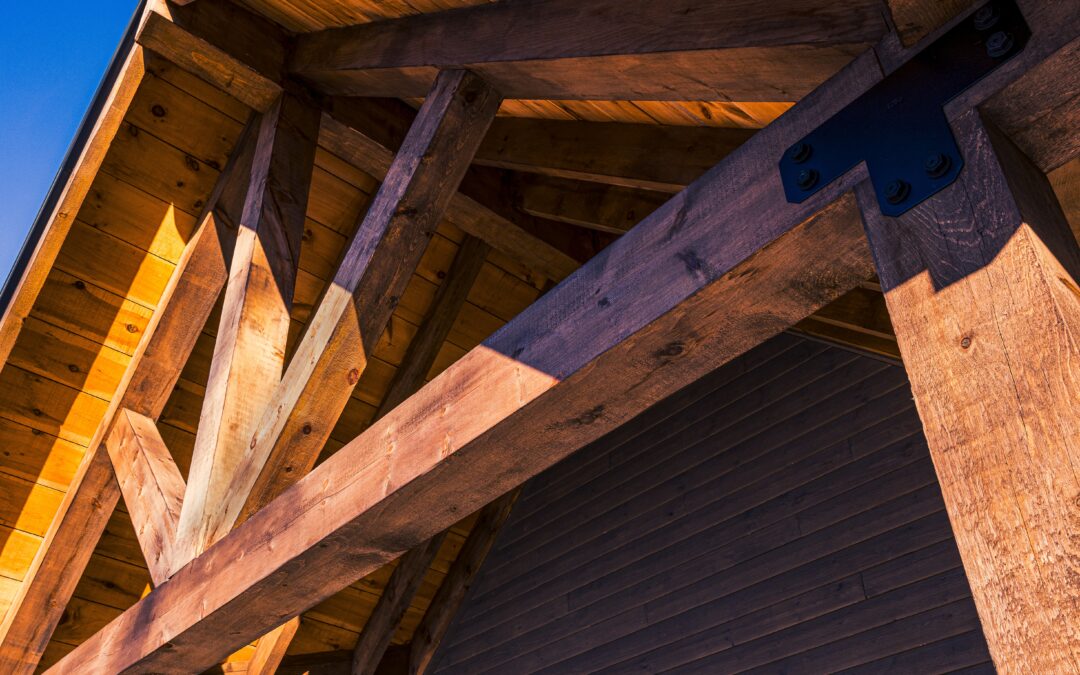
Post and Beam Homes Melbourne: Custom New Homes & Home Extensions
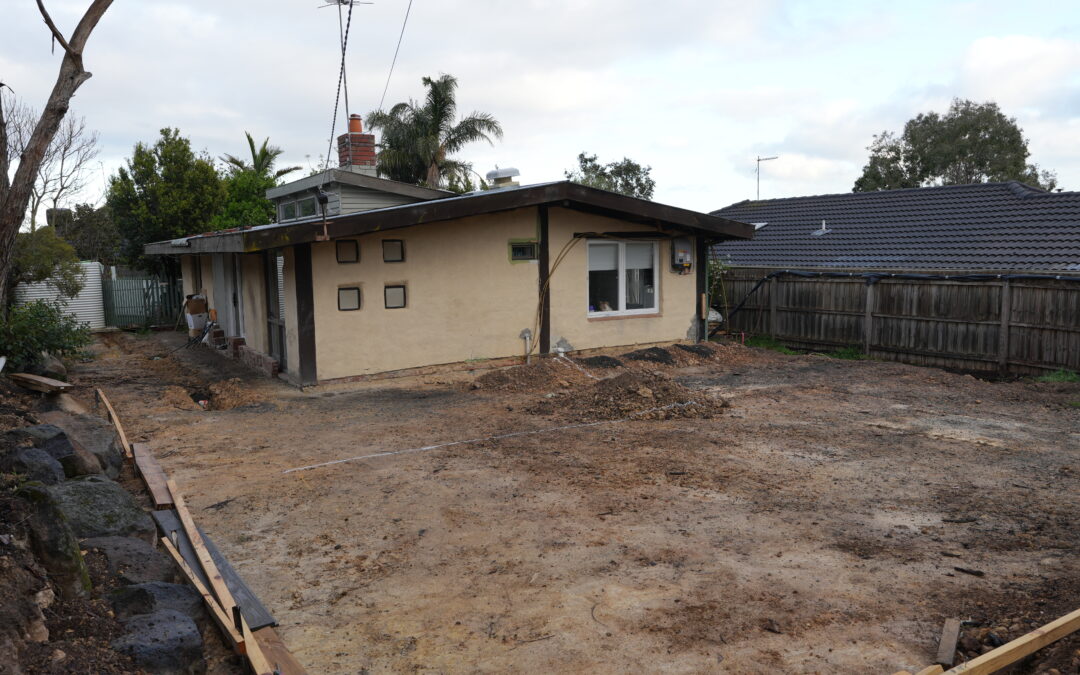
Mud Brick Houses in Melbourne: History, Benefits & Extension Ideas
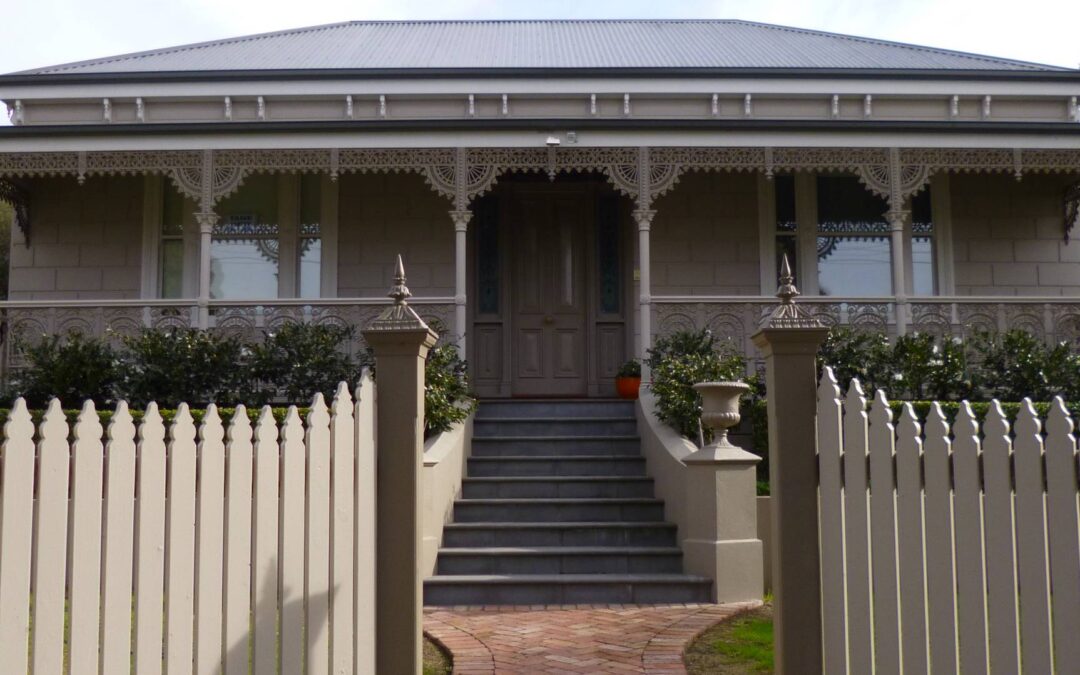
Victorian Home Restoration & Renovation Cost Guide Melbourne
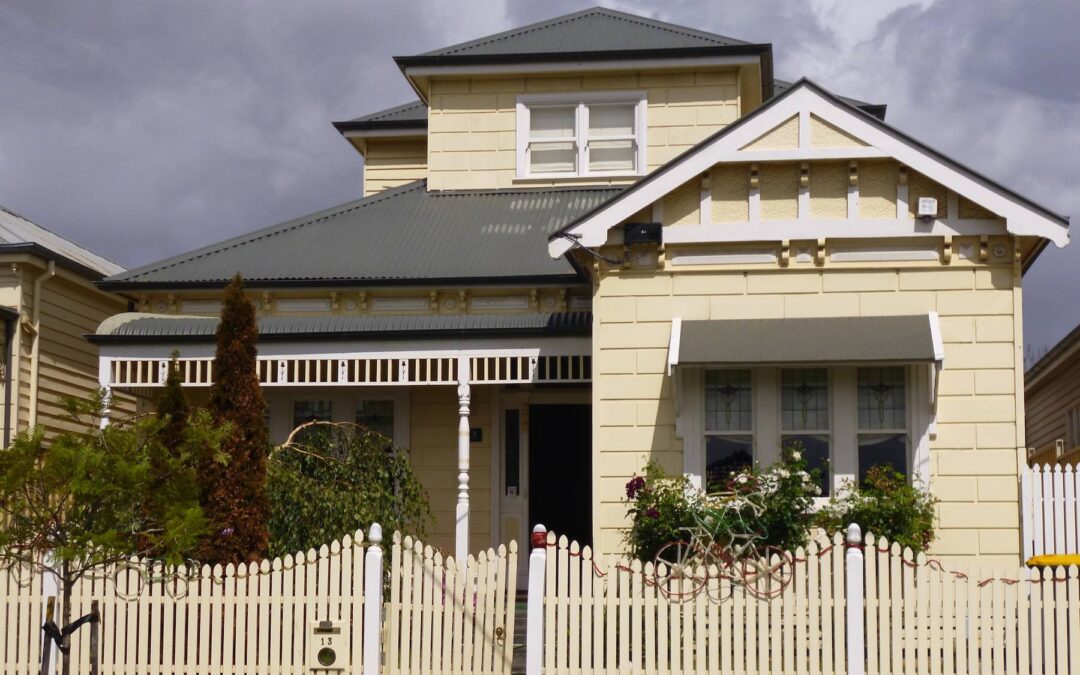
Home Addition Price Estimates By Room Type
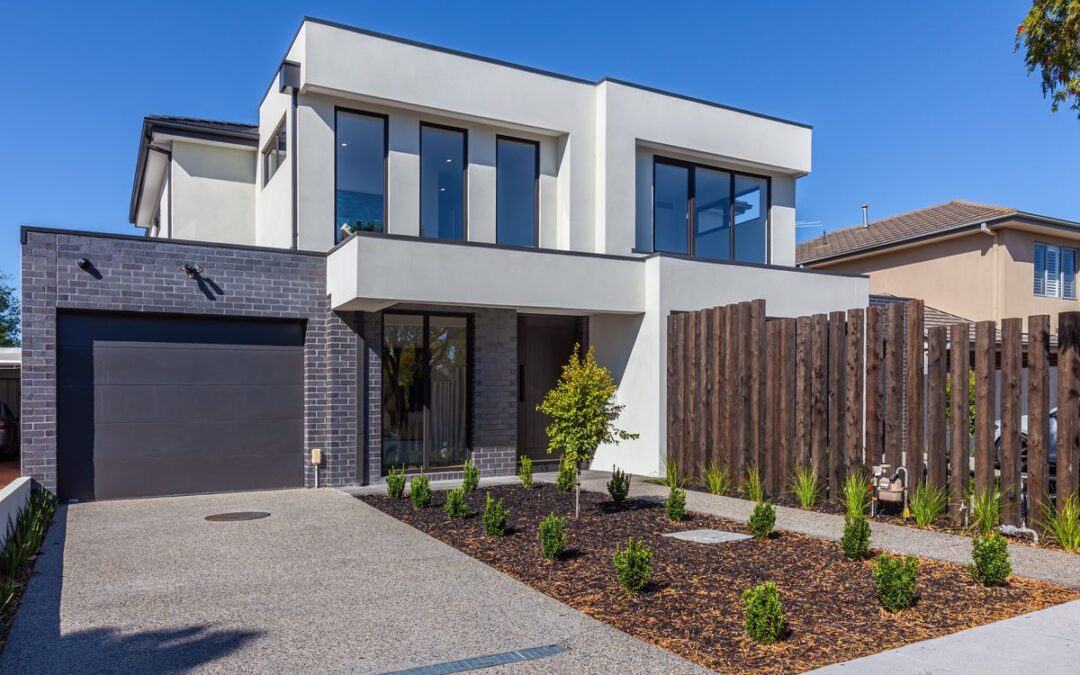
Victoria’s New Townhouse and Low-Rise Code: What It Means for Homeowners