Sloping Block Home Extensions Melbourne: Split-Level, Multi-Level & Basement Design Guide
Designing a home extension on a sloping block in Melbourne presents both challenges and exciting opportunities. While uneven land can increase construction complexity, it can also create the ideal conditions for a more custom, architectural home extension that maximises natural light, views and functionality.
Many homeowners ask questions such as: How do you extend a house on a sloping block? What is the best design for a sloping block home extension? Is it more expensive to build on sloping land? These are important considerations, particularly when site access, drainage, retaining walls and council requirements can all influence the final design and construction approach.
At Mastercraft Construction, we specialise in tailor-designed, custom home extensions in Melbourne, including split-level, multi-level and basement extensions that work with the natural contours of the land. From elegant angled rooflines and raked ceilings to modern wall cladding, garages under homes and lower-ground spaces, we help homeowners unlock the full potential of sloping sites across Melbourne, including suburbs such as Kew, Ivanhoe, Doncaster, Eltham and Templestowe.
What is a Sloping Block and Why Does It Matter for Home Extensions?
A sloping block is a site where the land rises or falls across the property, ranging from a gentle gradient to a steep incline. This slope can run from front to back, side to side, or a combination of both, and it has a direct impact on how an extension should be designed and constructed.
Understanding the slope of your block is essential because it affects the structural design, footing system, excavation requirements, drainage strategy and the overall usability of the new space. What might work well on a level site may be inefficient or unnecessarily expensive on sloping land.
Rather than treating slope as a problem, it is often better to see it as a design opportunity. With the right approach, sloping land can allow for more dynamic floor levels, better outlook, improved natural light and a more distinctive architectural result than a conventional flat-block extension.
What is the Best Design for a Sloping Block Home Extension?
The best design for a sloping block home extension in Melbourne will depend on the gradient of the land, the existing house layout, orientation, access and how you want to live in the home. In many cases, the most successful designs are those that work with the slope instead of trying to flatten or fight against it.
Split-Level Home Extensions (Most Popular for Sloping Blocks)
A split-level home extension is one of the most effective solutions for sloping sites. By stepping floor levels gradually, the extension can move with the natural fall of the land, reducing the need for excessive excavation and retaining walls.
This type of design also creates natural zoning within the home. Living, sleeping and utility areas can be separated in a way that feels practical and architecturally interesting, while still maintaining connection and flow throughout the house.
Multi-Level & Tri-Level Home Extension Designs
For steeper sites, multi-level and tri-level home extensions can provide a highly effective and visually striking design solution. These extensions embrace the slope by allowing the house to step across two, three or more levels, rather than forcing everything onto one plane.
A multi-level home extension can maximise usable space without excessive earthworks, while also improving privacy, light and separation between zones. A tri-level design can be particularly effective when the slope is more significant and when you want to create strong architectural interest, level transitions, elevated outlooks or undercroft spaces.
These types of designs are especially suited to sloping areas such as Templestowe, Eltham and Warrandyte, where land contours can be used to create dramatic and highly functional outcomes. They also offer less competition in search and stronger niche positioning for your business.
Stepped Extension Designs for Sloping Land
A stepped extension follows the shape of the site more gradually, using a series of subtle level changes rather than major structural jumps. This can reduce disruption to the site, improve structural efficiency and create a softer transition between the existing home and the new addition.
Stepped designs are often ideal when the block has moderate fall and when the goal is to maintain comfort and flow while still responding intelligently to the land.
Basement & Lower Ground Extensions on Sloping Blocks
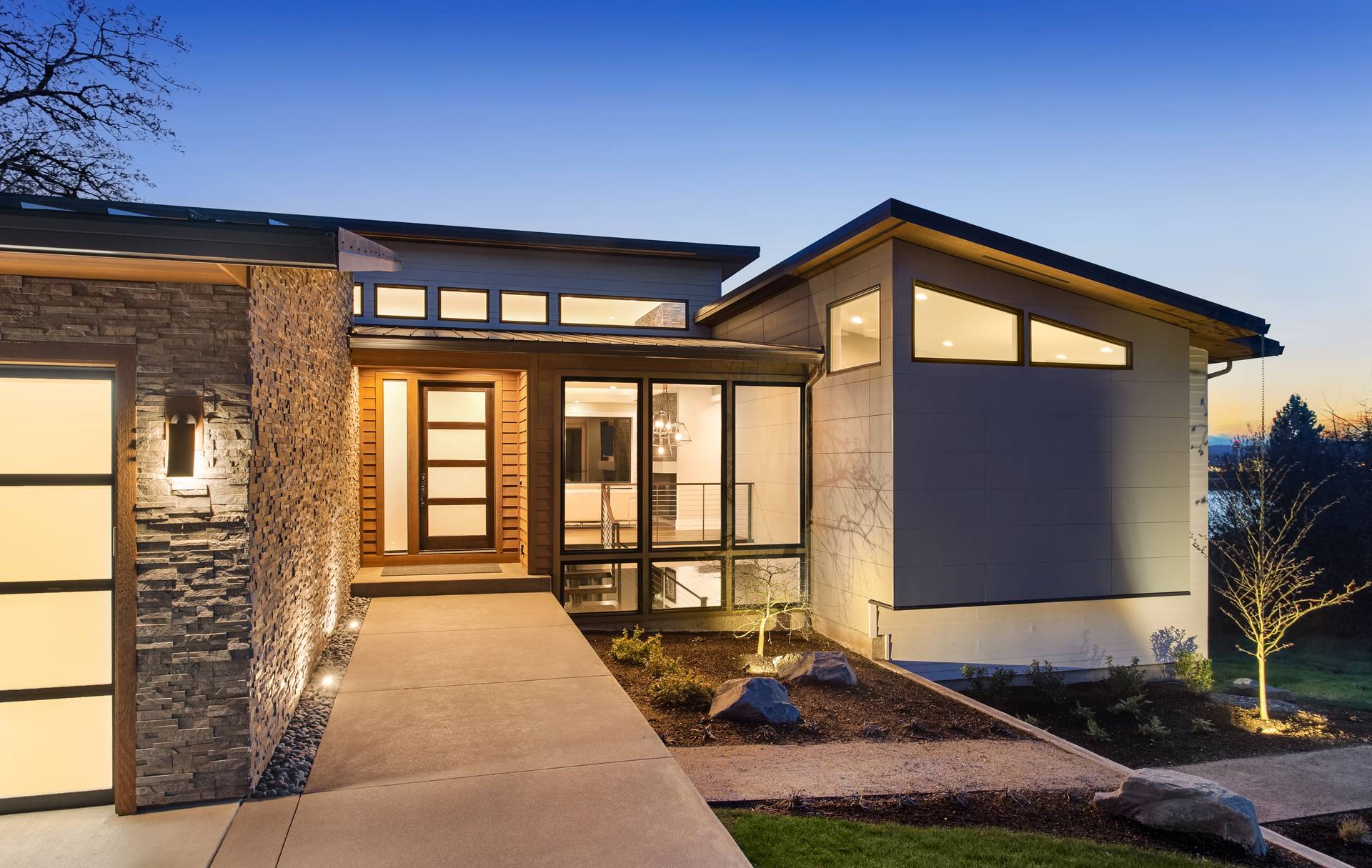
One of the biggest advantages of sloping land is the ability to incorporate a basement or lower-ground level extension. On a flat site, basement construction can require full excavation below ground, which is often complex and expensive. On a sloping block, however, part of the lower level can often be built into the land while another side opens out naturally.
This creates the opportunity for a more usable and liveable lower-ground space with better light, ventilation and access.
How Sloping Land Makes Basements More Practical
Sloping sites allow basement-style spaces to be integrated into the home in a way that feels less like an underground room and more like an additional functional level. Instead of creating a completely enclosed basement, the slope can enable a semi-basement or split-level lower floor with direct access to the outside.
This can make the space far more appealing and practical for daily use.
Basement Extension Ideas for Sloping Blocks
A basement or lower-ground level can be used for a wide range of purposes, including:
- Extra living or family rooms
- Guest accommodation
- Home offices or studios
- Storage areas
- Wine cellars
- Home theatres
- Gyms or utility rooms
These spaces can be integrated into a multi-level home extension to make the most of the site without increasing building height above.
Garages Under Homes on Sloping Blocks
Another highly effective design strategy is incorporating a garage under the house, especially at the front of the property where the land falls away. This is a common and practical solution for sloping block homes in Melbourne, particularly in suburbs such as Doncaster, Templestowe and Eltham.
A garage under the home can improve street presentation, reduce the building footprint, create direct internal access and free up more of the site for living and outdoor space. It is also an excellent way to utilise the slope of the land instead of filling or cutting excessively.
Structural & Waterproofing Considerations
Basement and lower-ground construction does require careful planning. Retaining walls, waterproofing systems, drainage, moisture control and structural engineering all need to be addressed properly to ensure long-term performance.
Groundwater movement is particularly important on sloping sites, so the drainage design must be considered early and integrated into the overall extension strategy.
Sloping Block Extension Ideas for Modern Architectural Homes
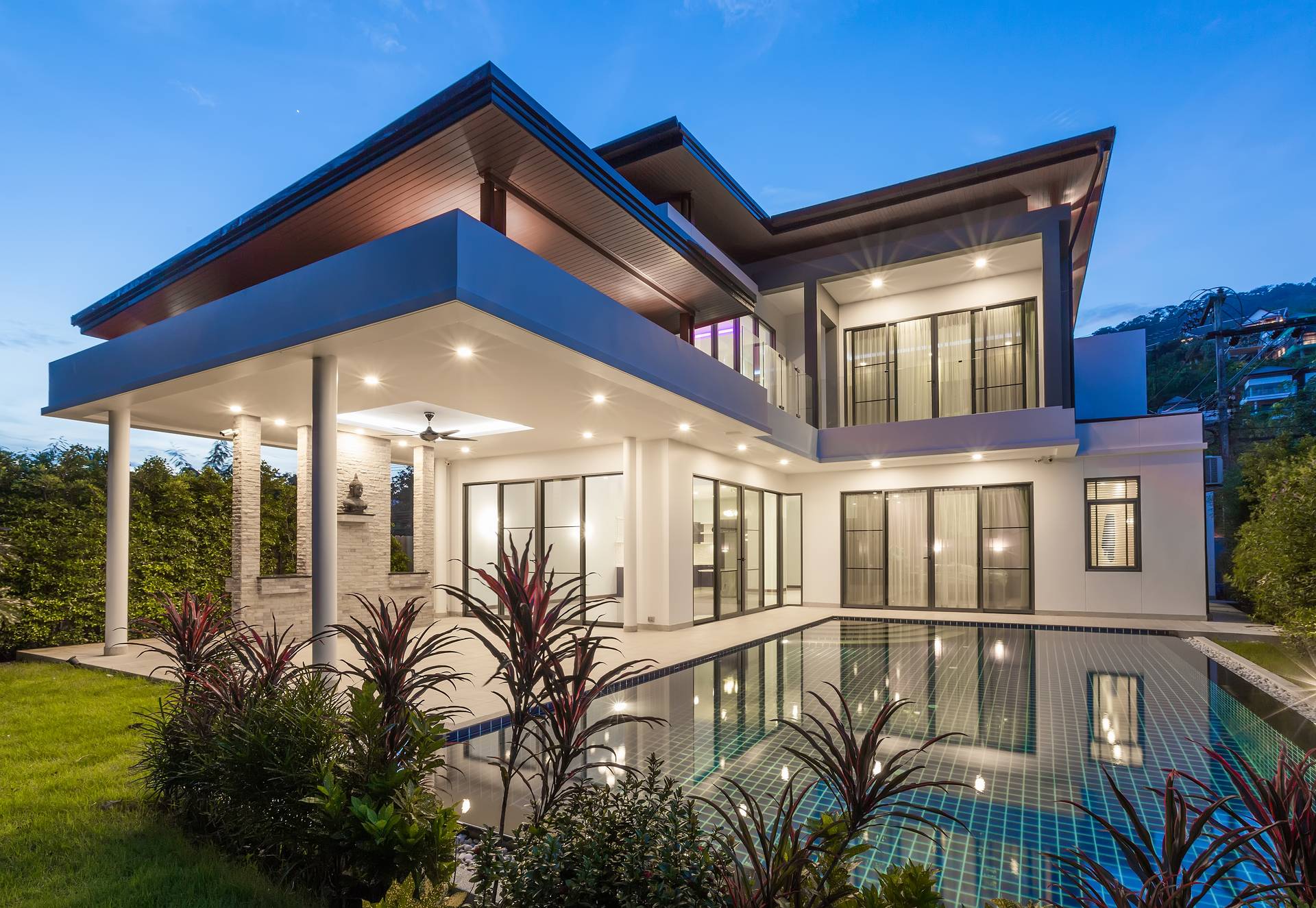
Sloping blocks often suit modern architectural home extensions exceptionally well because they naturally lend themselves to layered forms, level transitions and feature design elements that stand out.
Open-Plan Living with Elevated Views
One of the biggest design advantages of a sloping block is the opportunity to position key living areas higher to capture outlook, natural light and a stronger connection to the landscape. Elevated open-plan living spaces can feel brighter, larger and more refined than those on a flat site.
Indoor-Outdoor Integration
Sloping blocks can create excellent opportunities for connecting indoor areas with decks, terraces, stepped gardens and outdoor entertaining zones. Instead of relying on one flat backyard level, the design can create multiple outdoor spaces that respond to the terrain and feel more integrated with the architecture.
Angled Roof Extensions & Raked Ceilings
An angled roof extension or raked ceiling can work beautifully on a sloping site, particularly when paired with split-level or elevated living spaces. These roof forms can increase internal volume, improve natural light and ventilation, and create a more elegant architectural finish.
This is where tailor-designed, custom home extensions can really stand out from more standard extension styles.
Modern Wall Cladding & Material Choices
Modern sloping block extensions often suit a mix of contemporary wall finishes such as timber cladding, lightweight panels, render and face brick. The right combination of materials can help soften the mass of a multi-level form, add texture and contrast, and create a more sophisticated architectural result.
What Affects the Cost of a Sloping Block Home Extension?
A sloping block home extension will often cost more than an extension on a conventional level site, but the extent of that difference depends on the conditions of the land and the complexity of the design.
Excavation & Rock Removal Costs
Excavation is one of the most significant cost variables. On sloping sites, additional cutting, spoil removal and machinery time may be required. If rock is encountered during excavation, costs can increase substantially, particularly in areas such as Eltham and Warrandyte where rock is more common.
Structural Engineering Complexity
Sloping sites typically require more detailed structural engineering than level blocks. Footings, retaining elements, suspended floors, drainage systems and load distribution across multiple levels all need to be carefully resolved. The more complex the design, the more likely it is that structural requirements will increase costs.
Groundwater & Drainage Systems
Groundwater movement and stormwater management are major factors on sloping blocks. In many cases, ground drainage systems, subsoil drainage, waterproofing and careful site grading are essential to protect the structure and prevent long-term moisture issues.
Site Access & Scaffolding Requirements
Tight access can make a sloping site more expensive to build on. If excavation machinery, materials or trades have limited access to the site, labour and construction time can increase. Scaffolding requirements can also add cost, particularly where multiple levels, retained ground or elevated working areas are involved. This is often a factor in established suburbs such as Kew and Ivanhoe, where site constraints are common.
Is It More Expensive to Build on a Sloping Block?
In many cases, yes. Sloping blocks can involve more excavation, more structural design, more drainage work and more complex construction logistics than level sites.
However, a well-considered design can also reduce unnecessary costs. By building with the slope of the land instead of forcing large cut-and-fill works, you can often minimise retaining wall construction, reduce earthworks and make better use of the site’s natural advantages.
So while the upfront construction cost may be higher than a conventional extension, the design outcome can be far more distinctive, functional and valuable.
How to Reduce Costs When Building on a Sloping Block
The most effective way to reduce costs is to design intelligently from the beginning.
This can include:
- Following the natural slope of the land
- Minimising excavation where possible
- Reducing reliance on large retaining walls
- Using split-level or stepped layouts
- Electing lightweight materials in suitable areas
- Planning site access early
Smart design decisions can make a major difference to both construction cost and long-term performance.
Common Challenges When Extending on Sloping Land
Sloping sites offer excellent design opportunities, but they also come with practical challenges that need to be understood and addressed early.
Excavation & Hitting Rock
Unexpected ground conditions are one of the biggest risks. Rock can slow excavation, require specialised equipment and increase overall costs.
Structural Engineering Requirements
Because the extension may step across multiple levels or interact with retained ground, the structural design is often more involved than on a level site.
Groundwater & Drainage Issues
Water management is critical. If groundwater and surface drainage are not properly considered, the long-term performance of the home can be compromised.
Access Constraints & Construction Logistics
Limited access can increase the difficulty of excavation, materials handling and general construction, particularly on tight suburban blocks.
Planning Permits for Sloping Block Extensions in Melbourne
A sloping block extension in Melbourne can involve additional planning and council considerations, particularly where the design includes increased height, upper-level spaces, balconies or boundary-related impacts.
Overlooking & Privacy Requirements
One of the most common planning issues is overlooking into neighbouring properties, especially rear yards. Elevated balconies, decks and upper-level windows can trigger privacy concerns and planning controls.
This may require:
- Screening to balconies
- Careful window placement
- Window restraints
- Highlight windows or obscure glazing
These measures are important not only for council compliance but also for maintaining good relationships with neighbours.
Overshadowing & Solar Access
Overshadowing is another key planning issue. Councils assess how a proposed extension may affect sunlight to adjoining properties, particularly private open space. On a sloping block, increased height and elevation can make overshadowing more significant, so shadow diagrams and careful design response may be needed.
Building Height & Boundary Setbacks
Building heights on boundaries can become more complex on sloping land because the natural ground level affects how height is measured. Setbacks, site coverage and upper-level massing may all need careful consideration to satisfy planning requirements.
Working with Local Councils
Each local council may apply planning controls slightly differently, so it is important to address these issues early in the design process. A well-resolved extension that considers overlooking, overshadowing, privacy and height from the start is more likely to achieve a smoother approval process.
Explore more about planning permits for home extensions in Melbourne
Building a New Home on a Sloping Block in Melbourne
In some cases, extending an existing home may not be the best option. If the block is particularly steep, the current house layout is restrictive, or the structural limitations of the original building make extension inefficient, building a new home on a sloping block may deliver a better overall result.
When to Consider a New Build Instead of an Extension
A new build may be worth considering when:
The existing home layout does not suit a split-level solution
The slope is too significant for a practical extension
Major structural work would be required to make the extension viable
You want a fully integrated custom design from the ground up
H3: Benefits of Split-Level Home Designs
A new split-level home design can be tailored specifically to the slope, creating a far more cohesive and efficient layout. It can also improve light, views, zoning and construction efficiency compared with trying to adapt an existing structure.
Tailored Design Features for Sloping Sites
A new home on a sloping block can incorporate:
- Elegant angled rooflines
- Raked ceilings
- Garages under the home
- Lower-ground entertaining spaces
- Modern wall cladding
- Multi-level open-plan living
Do You Need an Architect for a Sloping Block Extension?
For many sloping block projects, working with an architect or experienced designer is highly beneficial. Complex sites generally require a more considered response than a standard extension, particularly when planning issues, level transitions, drainage and structural design all interact.
A strong design team can help maximise the advantages of the site while reducing unnecessary cost and complexity.
Design Tips for Sloping Block Home Extensions
When planning a sloping block home extension, some of the best results come from a few core principles:
- Work with the slope rather than against it
- Use split-level or multi-level layouts where appropriate
- Place key living areas to capture light and outlook
- Consider angled rooflines and raked ceilings for architectural impact
- Incorporate materials suited to the slope and structure
- Think carefully about drainage, privacy and planning from the start
A sloping block often demands more thought, but it can also produce a far more unique and rewarding result than a standard flat-site extension.
Start Your Sloping Block Home Extension in Melbourne
If you are planning a sloping block home extension in Melbourne, Mastercraft Construction can help you create a design that is functional, modern and tailored to your land.
From split-level and multi-level extensions to basements, garages under homes and architectural roof designs, we deliver high-quality custom solutions across Melbourne, including suburbs such as Kew, Doncaster, Ivanhoe, Eltham and surrounding areas.
Whether you are exploring an extension, a lower-ground addition or even a new split-level home, we can help you understand the opportunities, challenges and best design approach for your site.
Contact Mastercraft Construction today to discuss your project, request a quote and take the next step toward a custom home solution designed for your sloping block.
Building Ideas & Guides
Do You Need a Planning Permit for a Home Extension in Victoria?
Post and Beam Homes Melbourne: Custom New Homes & Home Extensions
Mud Brick Houses in Melbourne: History, Benefits & Extension Ideas
Victorian Home Restoration & Renovation Cost Guide Melbourne
Home Addition Price Estimates By Room Type