Cost of Extending a Victorian Period Home in Melbourne: Complete Guide
Extending a Victorian home in Melbourne is one of the most effective ways to improve space, functionality, and long-term property value while preserving the character of your home.
Whether you own a Victorian terrace, cottage, or freestanding period home, understanding the cost of extending these properties is essential before starting your project. From rear extensions to second storey additions, extension costs can vary significantly depending on design complexity, site conditions, and heritage overlay requirements.
This guide breaks down Victorian home extension costs in Melbourne, including typical price ranges, key factors that affect cost, and how to plan your budget effectively.
How Much Does It Cost to Extend a Victorian Period Home in Melbourne?
The cost of extending a traditional Victorian period home in Melbourne can vary depending on the type of extension, level of finishes, and site conditions. As a general guide, most Victorian home extensions range between $2,300 and $4,900+ per square metre.
Typical Melbourne price guide:
- Rear extension Victorian house cost: $2,00 – $3,900 per m²
- Victorian terrace side return extension cost: $2,400 – $4,500 per m²
- Second storey Victorian extension cost: $2,900 – $4,900+ per m²
Understanding the cost per square metre for a Victorian home extension is one of the most useful ways to estimate your total project budget, particularly when comparing different types of extensions such as rear extensions, side returns, and second storey additions.
For Victorian terrace homes and cottages, costs per m² are often higher due to narrow blocks, limited site access, and increased construction complexity. This means the cost to extend a Victorian terrace in Melbourne or renovate a Victorian cottage can vary more than standard home extensions.
Ultimately, the final cost of a Victorian period home extension in Melbourne will depend on factors such as design complexity, structural requirements, materials, and heritage overlay considerations.
Cost of Different Types of Victorian Home Extensions
The cost of extending a Victorian home in Melbourne can vary depending on the type of extension you choose. Rear extensions, side return extensions, and second storey additions all come with different construction requirements and cost implications.
Rear Extensions for Victorian Homes
Rear extensions are the most common way to extend a Victorian home in Melbourne, particularly for improving kitchen and living areas while maintaining the original façade.
They are often the most cost-effective option and are widely used in Victorian terrace and cottage extensions.
Typical rear extension cost for Victorian homes in Melbourne: $2,200 – $3,900 per m²
Side Return Extensions (Victorian Terraces)
Side return extensions are popular in Victorian terrace homes when permitted, helping maximise narrow blocks and improve layout.
They allow you to create wider, open-plan living spaces and improve the overall functionality of the home.
Typical Victorian terrace side return extension cost:
$2,400 – $4,500 per m²
Second Storey Additions
Second storey extensions are ideal when land is limited and additional space is needed without reducing outdoor areas.
However, they require structural upgrades and additional engineering, which increases overall costs.
Typical second storey Victorian extension cost in Melbourne:
$2,900 – $4,900+ per m²
Why Victorian Terrace and Cottage Extension Costs Can Be Higher
While the average cost of extending a Victorian home in Melbourne provides a useful guide, Victorian terrace homes and cottages often come with additional challenges that can increase overall project costs.
These property types are common across Melbourne’s inner suburbs, but their original layouts and site conditions can make extensions more complex compared to standard homes.
Narrow blocks and limited access
Victorian terrace extensions in Melbourne are often built on narrow blocks with restricted side access. This can increase labour costs, as materials may need to be moved manually through the property rather than using machinery.
Structural upgrades and ageing homes
Older Victorian cottages and terraces may require structural upgrades before construction begins. This can include restumping, reinforcing walls, or upgrading framing to support a new extension or second storey addition.
Heritage overlays and design constraints
Many Victorian homes are located in heritage overlay areas, which can affect both design and approval timelines. These requirements can add to the cost of a Victorian terrace extension in Melbourne, particularly where design changes are required to maintain period character.
Party walls and neighbouring properties
For Victorian terrace homes, shared walls with neighbouring properties can introduce additional considerations, including engineering requirements and coordination with adjoining properties.
Why Victorian Terrace and Cottage Extension Costs Are Higher
Because of these factors, the cost to extend a Victorian terrace or cottage in Melbourne can be higher on a per square metre basis. However, with the right design and planning, these homes can be transformed into highly functional, modern living spaces while retaining their original character.
What Factors Affect the Cost of Extending a Victorian Home in Melbourne?
The cost of extending a Victorian home in Melbourne can vary significantly depending on a range of design, structural, and site-specific factors. Understanding what influences Victorian home extension costs helps you plan more accurately and avoid unexpected expenses during construction.
Size and Scope of the Extension
The overall size of your extension is one of the biggest cost drivers. Larger extensions increase total costs, although the cost per square metre may become more efficient as scale increases.
Rear extensions, side return extensions, and second storey additions all vary in scope and complexity, impacting overall pricing.
Materials and Period Feature Matching
Victorian homes often include original features such as timber windows, decorative plasterwork, ceiling roses, and iron lacework. Matching or restoring these features can increase the cost of a Victorian renovation or extension.
However, retaining and restoring original elements can reduce replication costs and preserve the home’s character.
Structural Upgrades and Engineering
Many Victorian homes require structural upgrades before extensions can begin. This may include restumping, reinforcing walls, or upgrading the roof structure.
Second storey extensions, in particular, often require significant structural work, which can increase overall costs.
Site Access and Construction Constraints
Access to your property plays a major role in construction costs. Victorian terrace homes and cottages often have limited access, meaning materials must be transported manually.
This increases labour time and cost compared to sites with easy access.
Heritage Overlays and Council Requirements
If your property is located in a heritage overlay area, additional planning approvals may be required. This can include heritage reports, design revisions, and extended approval timelines.
These requirements can increase both the cost and duration of a Victorian home extension project.
Level of Finishes and Design Complexity
The level of finishes you choose will significantly impact your final cost. High-end kitchens, bathrooms, and architectural detailing can increase your budget but also improve long-term value.
More complex designs, such as open-plan layouts or architectural extensions, also increase construction costs.
By understanding these factors, you can more accurately estimate the cost of extending a Victorian home in Melbourne and plan your project with confidence. Working with an experienced builder helps ensure your extension balances cost, quality, and long-term value.
Tips to Reduce the Cost of Extending a Victorian Home in Melbourne
Extending a Victorian period era home in Melbourne can be a significant investment, but there are several practical ways to manage and reduce costs without compromising on quality or long-term value. Careful planning and smart design decisions can make a noticeable difference to your overall budget.
Retain Original Features Where Possible
Preserving original Victorian features such as timber windows, fireplaces, and decorative plasterwork can help reduce the cost of replication. Restoring existing elements is often more cost-effective than replacing them, while also maintaining the character of your home.
Keep the Design Simple and Efficient
Complex designs with multiple structural changes, angles, or bespoke architectural features can increase construction costs. A simpler, well-planned layout can reduce labour, materials, and build time while still delivering a functional and modern space.
Plan for Council Approvals Early
Delays in planning permits and heritage approvals can add unexpected costs to your project. Understanding council requirements early and preparing documentation in advance can help streamline the approval process and reduce costly delays.
Work with Experienced Victorian Period Home Builders
Choosing a builder with experience in Victorian home extensions ensures that your project is designed and constructed efficiently. Experienced builders understand common challenges, helping you avoid costly mistakes and unnecessary variations.
Set a Realistic Budget with Contingency
Allowing a contingency budget (typically 10–15%) helps cover unexpected costs such as structural upgrades or site issues. This ensures your project can continue smoothly without financial stress.
Stage Your Renovation or Extension
For some homeowners, completing work in stages can help spread costs over time. This approach is particularly useful for larger Victorian home renovations and extensions where budget constraints are a factor.
Reducing the cost of extending these properties is about making informed decisions early in the process. By focusing on practical design, efficient planning, and working with experienced professionals, you can achieve a high-quality result while staying within budget.
Heritage Overlay and Council Costs in Melbourne
Many Victorian homes in Melbourne are located within heritage overlay areas, which can significantly influence both design requirements and the overall cost of a home extension.
Understanding heritage overlay requirements is essential when planning a Victorian home extension, as they can affect approval timelines, design flexibility, and construction costs.
Additional costs may include:
- Planning permits and council approvals
- Heritage reports and documentation
- Architectural revisions to meet council guidelines
- Extended approval timelines and delays
The cost of a period home extension with heritage overlay in Melbourne can increase due to these requirements, particularly where design changes are needed to preserve the original character of the property. These additional steps are essential to ensure compliance with local regulations while maintaining the integrity of period homes.
Learn more about heritage overlay requirements and period home extensions in Melbourne
Is It Worth Extending a Victorian Period Home in Melbourne?
For many homeowners, extending a Victorian home in Melbourne is a smart and practical investment — particularly in inner suburbs where space is limited and property values are high.
Many Victorian homes across Melbourne’s inner suburbs — including areas like Richmond, Fitzroy, Carlton, Brunswick, Collingwood, Hawthorn and Northcote — are ideally suited to extensions. These established neighbourhoods often feature Victorian terraces and cottages where extending is a practical way to improve space and functionality without leaving a highly sought-after location.
Rather than moving, a well-designed Victorian home extension allows you to transform how your home functions while preserving its character and location.
Increased living space without relocating
Extending your home allows you to create additional space where you need it most — whether that’s a larger kitchen, open-plan living area, or additional bedrooms. For Victorian terrace homes and cottages, extensions are often the most effective way to improve liveability without leaving your neighbourhood.
Improved layout and modern functionality
Many Victorian homes were designed with smaller, segmented rooms. A well-planned extension can reconfigure your layout to suit modern living, improving flow between kitchen, dining, and living areas while making better use of natural light.
Modern Victorian home extensions are designed to blend contemporary living with traditional character. Many homeowners choose to incorporate open-plan layouts, large windows, and seamless indoor-outdoor connections while retaining the original façade and period features. This balance between old and new is particularly popular in Melbourne’s inner suburbs, where well-designed modern extensions can significantly improve both functionality and property value.
Enhanced natural light and indoor-outdoor connection
Modern Victorian home extensions often focus on open-plan living and stronger connections to outdoor spaces. Features such as large windows, skylights, and alfresco areas can significantly improve how your home feels and functions day to day.
Increased property value in Melbourne’s inner suburbs
Extending a Victorian home can add significant value, particularly in sought-after Melbourne suburbs. A well-executed extension that balances period character with modern design is highly appealing to buyers and can deliver strong long-term returns.
More cost-effective than moving
With rising property prices, stamp duty, and relocation costs, extending a Victorian home in Melbourne is often more cost-effective than purchasing a new property. It also allows you to stay in a location you already know and enjoy.
A successful Victorian home extension requires careful planning, practical design, and an understanding of heritage considerations. Working with an experienced builder ensures your project is tailored to your home, your lifestyle, and your budget — while avoiding costly mistakes along the way.
Victorian Home Extension Cost vs Renovation
Many homeowners ask:
Should I renovate or extend my Victorian home in Melbourne?
The answer depends on your goals, but understanding the difference in cost and long-term value is key when planning your project.
Renovating a Victorian Period Home in Melbourne
Renovating a Victorian home typically involves updating existing spaces such as kitchens, bathrooms, and internal layouts.
Benefits of renovation:
- Lower upfront cost compared to extensions
- Faster construction timelines
- Ideal for cosmetic upgrades or minor layout changes
However, renovations are limited by the existing footprint of the home and may not significantly improve overall space or functionality.
Extending a Victorian Period Home In Melbourne
A Victorian home extension increases the total floor area, allowing you to create entirely new living spaces tailored to modern lifestyles.
Benefits of extending:
- Adds usable floor space (key value driver)
- Enables open-plan living and better layout
- Improves natural light and indoor-outdoor flow
- Delivers stronger long-term property value
For many Melbourne homes — particularly Victorian terraces and cottages — extending is the most effective way to transform how the home functions.
Why Home Extensions Often Deliver Better Value
While extensions have a higher upfront cost, they typically provide better value for money because they:
- Increase total floor space
- Improve functionality and liveability
- Add more resale value compared to cosmetic upgrades
In Melbourne’s inner suburbs, where land is limited and demand is high, additional living space can significantly increase property value.
Combining Renovation and Extension
In many cases, the best outcome is achieved by combining both approaches.
Extension + internal renovation
This allows you to:
- Create new living areas through an extension
- Upgrade existing spaces to match
- Deliver a cohesive, modern home while retaining period character
Choosing between renovation and extension comes down to your budget, goals, and the potential of your home. Working with an experienced traditional Victorian period home builder can help you determine the most cost-effective approach for your property and ensure the best long-term outcome.
How Long Does a Victorian Home Extension Take?
The timeframe for extending these properties can vary depending on the complexity of the project, design requirements, and council approvals. While every project is different, understanding a typical timeline helps set realistic expectations from the outset.
Timeline Breakdown
Design and Planning (2–6 months)
This stage includes initial consultations, concept design, working drawings, and engineering. For Victorian homes, this phase can take longer due to heritage considerations and the need to carefully design extensions that complement the original structure.
Council Approvals and Permits (2–4 months)
If your home is affected by a heritage overlay, council approvals may be required before construction can begin. This process can involve planning permits, heritage reports, and design revisions, which can impact the overall timeline.
Construction Phase (4–12 months)
The construction phase will vary depending on the size and complexity of the extension. Rear extensions are typically faster to complete, while second storey additions or complex Victorian terrace extensions may take longer due to structural work and site constraints.
Summary
Total timeframe:
6–12+ months
While some smaller Victorian home extensions may be completed more quickly, it’s important to allow sufficient time for planning, approvals, and construction to ensure a smooth and well-executed project.
Can You Live in Your Home During a Victorian Extension?
Whether you can live in your home during a Victorian extension depends on the type of project, the extent of construction, and how your home is being modified.
For some smaller projects, it may be possible to remain in the home. However, for larger or more complex extensions, temporary relocation is often recommended.
Breakdown
Living in the Home During Smaller Extensions
For minor works or smaller rear extensions, you may be able to stay in your home during construction.
This is more likely when:
- Work is confined to one area of the house
- Essential services (kitchen, bathroom) remain functional
- There is minimal structural disruption
However, even in these cases, you should expect:
- Noise and dust
- Limited access to parts of the home
- Some disruption to daily routines
When Moving Out is Recommended
For larger Victorian home extensions — particularly second storey additions or full rear extensions — it is often more practical to move out during construction.
This is especially true when:
- The kitchen or bathrooms are being replaced
- Major structural work is required
- The home is opened up at the rear
- Safety becomes a concern
For Victorian terrace homes and cottages with limited space, living onsite during construction can be more challenging due to access and site constraints.
Planning Ahead for Temporary Accommodation
If moving out is required, it’s important to plan for temporary accommodation early in the process. This helps avoid stress and ensures the project can proceed efficiently without delays.
An experienced home builder will help you assess whether staying in your home is practical and advise on the best approach based on your specific project. Clear planning around living arrangements can make the entire building process smoother and more manageable.
Frequently Asked Questions About Victorian Home Extensions
How much does it cost to extend a Victorian home in Melbourne?
What is the cost per square metre for a Victorian home extension?
How much does a Victorian terrace extension cost in Melbourne?
What is the best way to extend a Victorian home?
Is it better to extend up or out on a Victorian home?
Is it worth extending a Victorian home in Melbourne?
Does extending a Victorian house add value?
Should I renovate or extend my Victorian home?
Do I need council approval to extend a Victorian home in Melbourne?
What is a heritage overlay and how does it affect extensions?
How long does a Victorian home extension take?
Can I live in my house during a Victorian home extension?
What factors affect the cost of a Victorian home extension?
- Size and scope of the project
- Site access and location
- Structural upgrades
- Heritage overlay requirements
- Materials and level of finishes
What are common challenges when extending a Victorian home?
Planning a Traditional Victorian Period Home Extension in Melbourne
Understanding the cost of extending these homes is the first step in planning a successful project. From Victorian terrace extensions to cottage renovations and second storey additions, every project is unique and requires careful planning to balance design, budget, and council requirements.
Whether you’re exploring Victorian home extension costs, comparing renovation vs extension options, or planning your next project, working with an experienced builder ensures your home is well-designed, compliant, and built to suit your lifestyle.
Explore our period home extension services in Melbourne here
Planning a Victorian home extension in Melbourne?
Speak with our team to get a tailored cost estimate and expert advice for your project.
Building Ideas & Guides
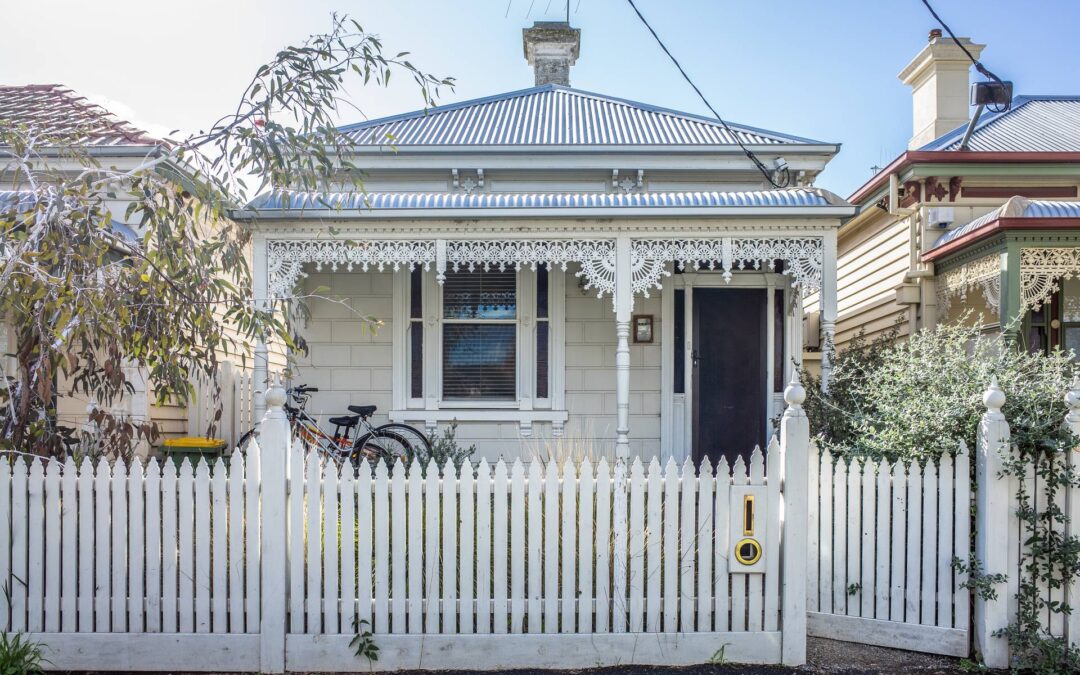
Architect vs Draftsman for Period Home Extensions in Melbourne

Home Extensions Melbourne: Costs, Ideas & Expert Builders
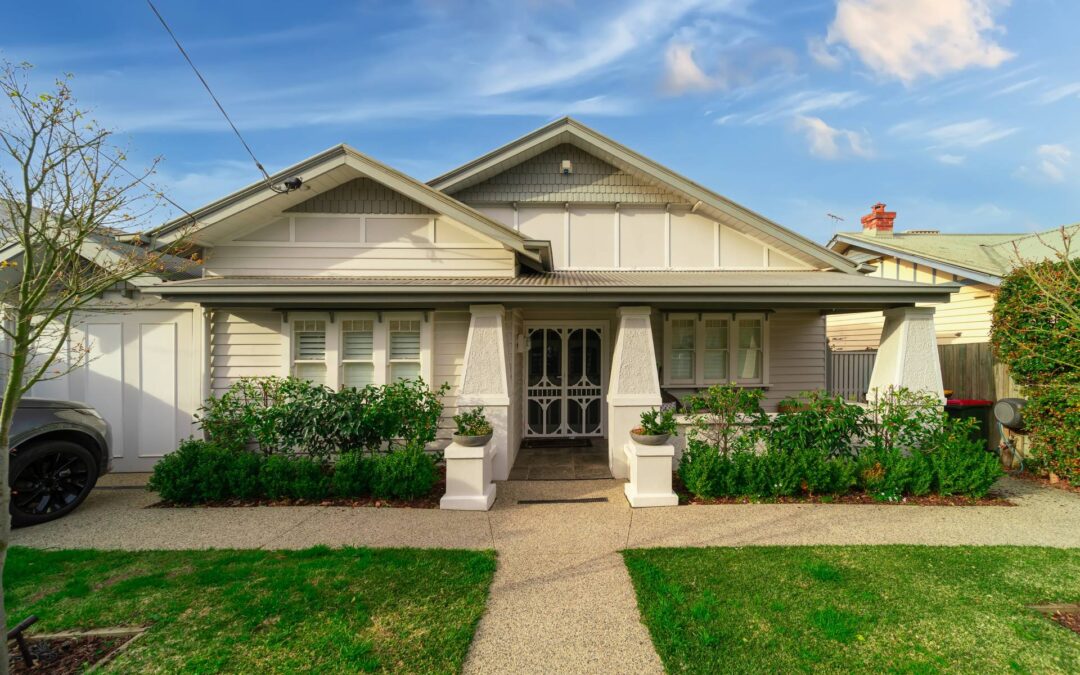
Californian Bungalow Extension Costs Melbourne
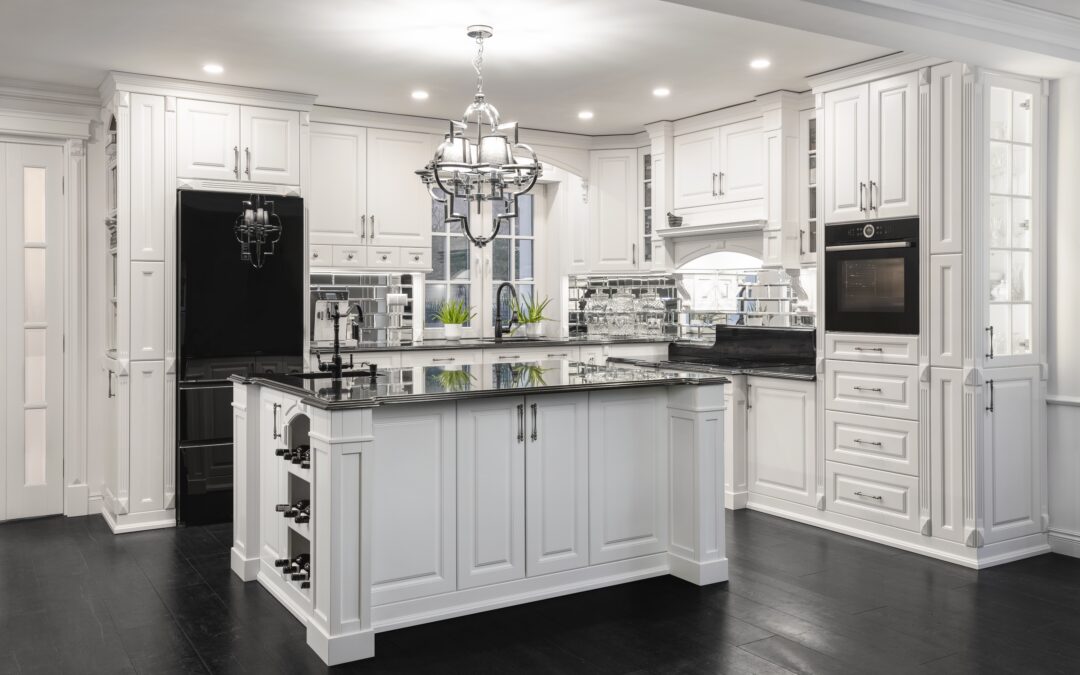
Hamptons Style Homes in Melbourne: Design, Features & Extensions
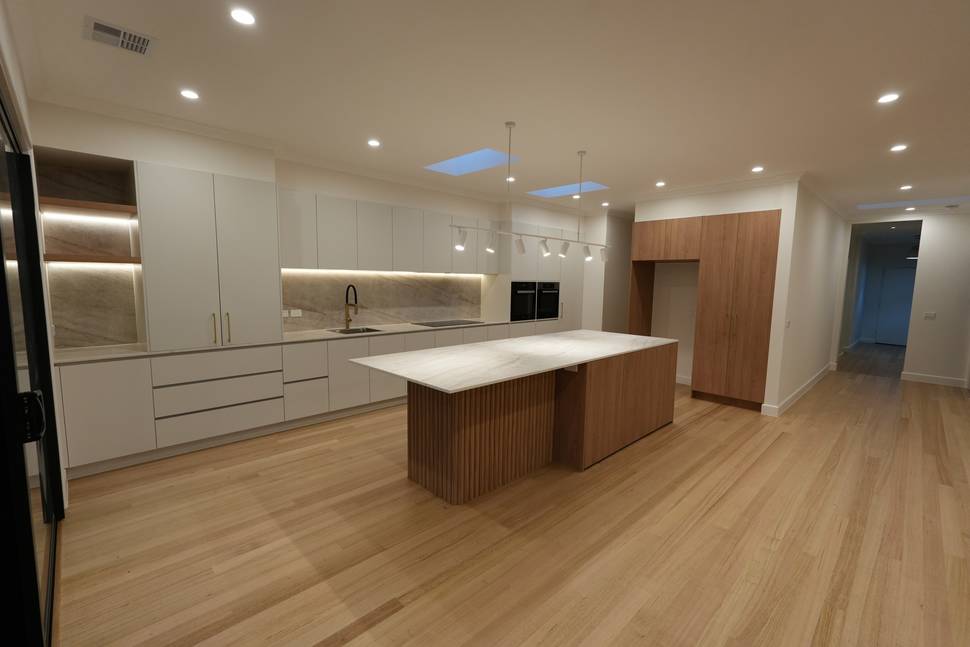
Do You Need a Planning Permit for a Home Extension in Victoria?
Sloping Block Homes Melbourne
Post and Beam Homes Melbourne: Custom New Homes & Home Extensions
Mud Brick Houses in Melbourne: History, Benefits & Extension Ideas
Victorian Home Restoration & Renovation Cost Guide Melbourne