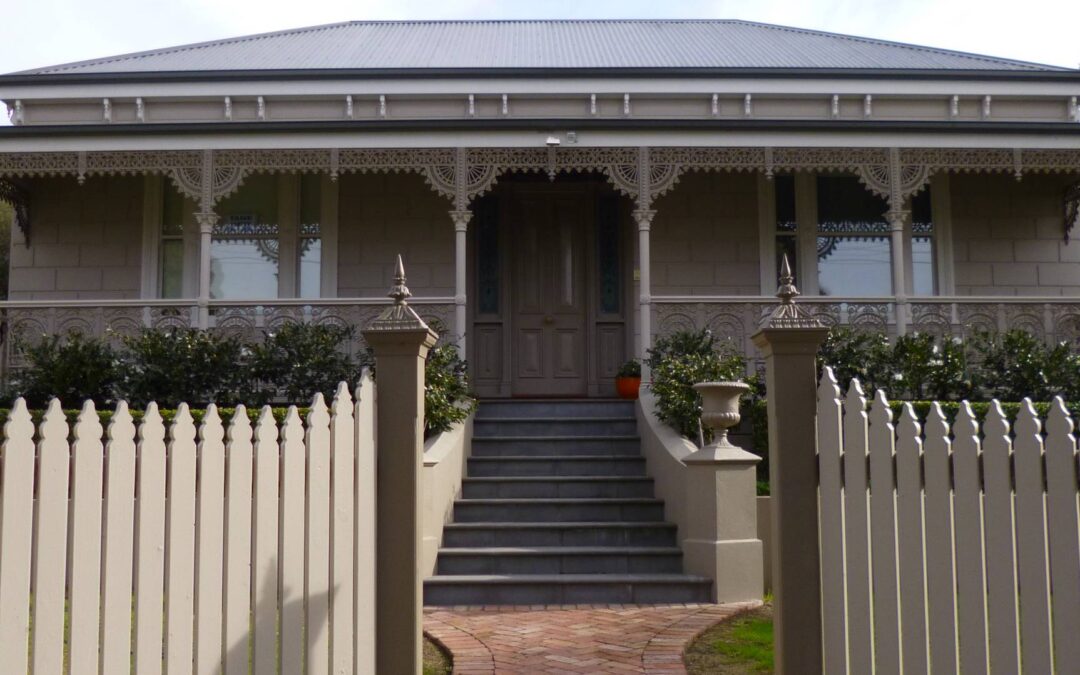
How to Modernise a Period Home Without Losing Character
Planning a period home renovation in Melbourne involves more than updating finishes—it requires a considered approach to layout, structure and heritage character. Whether you’re renovating a Victorian terrace, Edwardian home or Californian bungalow, understanding how to modernise a period home without losing character is key to achieving a successful outcome.
Creating a Modern Home While Preserving Its Character
Modernising a period home without losing character is a common challenge for homeowners undertaking a period home renovation in Melbourne. It’s a careful balance—improving comfort, functionality and layout while preserving the original features that give the home its identity.
Across Melbourne’s inner north and eastern suburbs—from Victorian terrace renovations in Fitzroy and Carlton to Californian bungalow renovations in Hawthorn and Camberwell—homeowners are looking for ways to update how they live while respecting the original architecture.
The key is not to replace the old, but to work with it. The most successful heritage home renovations in Melbourne enhance what’s already there while introducing modern performance, improved layouts and everyday liveability. By combining thoughtful design with technical expertise, it’s possible to modernise a period home without losing character, enhancing performance, layout and liveability while retaining identity.
Many of our projects involve both renovation and period home extensions in Melbourne, with the right approach depending on the home, site and long-term goals.
Our Approach to Period Home Renovations In Melbourne
Every home is different, but a successful period home upgrade follows a consistent approach—balancing modern functionality with the preservation of original character. Whether working on a Victorian terrace renovation, Edwardian home update, or Californian bungalow renovation, the goal is to enhance how the home lives without compromising its identity.
Preserve original architectural features
Original details such as fireplaces, cornices, ceiling roses, timber floors and façade elements are what define a period home. A well-planned period home transformation focuses on restoring and retaining these features wherever possible, rather than replacing them.
For homeowners looking to modernise a period home without losing character, preserving these elements ensures the home maintains its architectural integrity while still allowing for thoughtful updates.
Improve how the home functions
Many older homes—particularly Victorian terraces in Melbourne’s inner north—were not designed for modern living. Narrow layouts, disconnected rooms and limited natural light are common challenges.
Through structural alterations and floor plan improvements, it’s possible to:
- reconfigure internal layouts
- improve flow between living spaces
- create more usable, open-plan areas
These changes allow you to update an old house interior and improve day-to-day living, without losing the charm that makes period homes so desirable.
Upgrade comfort and performance
A key part of any period home renovation is improving comfort and energy efficiency.
Older homes often suffer from poor insulation, draughts and outdated systems. Upgrades such as:
- insulation and draught sealing
- double glazing for period homes
- modern electrical and plumbing systems can significantly improve liveability.
These improvements allow you to bring a period home up to modern building standards while keeping changes visually discreet and in line with the original design.
Renovating Different Period Home Styles in Melbourne
Melbourne’s period homes each come with their own architectural characteristics, constraints and renovation opportunities. Understanding these differences is key to delivering a successful period home renovation that preserves character while improving liveability.
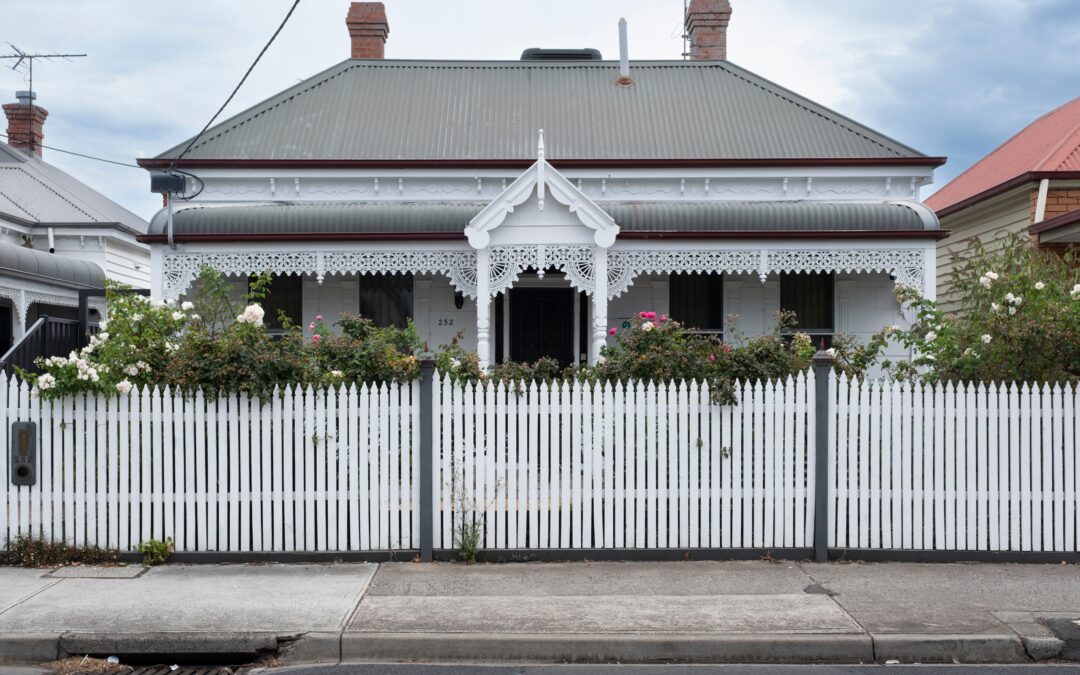
Victorian Terrace Renovations
Victorian terraces—common in Fitzroy, Carlton, Brunswick and Northcote—are typically compact, with long, narrow floor plans and limited natural light.
A well-planned Victorian terrace renovation in Melbourne often focuses on:
- improving natural light through internal reconfiguration
- creating better flow between rooms
- opening up rear living areas where appropriate
- making more efficient use of smaller spaces
Through careful structural alterations and layout improvements, these homes can be transformed for modern living while retaining their original charm and street presence.
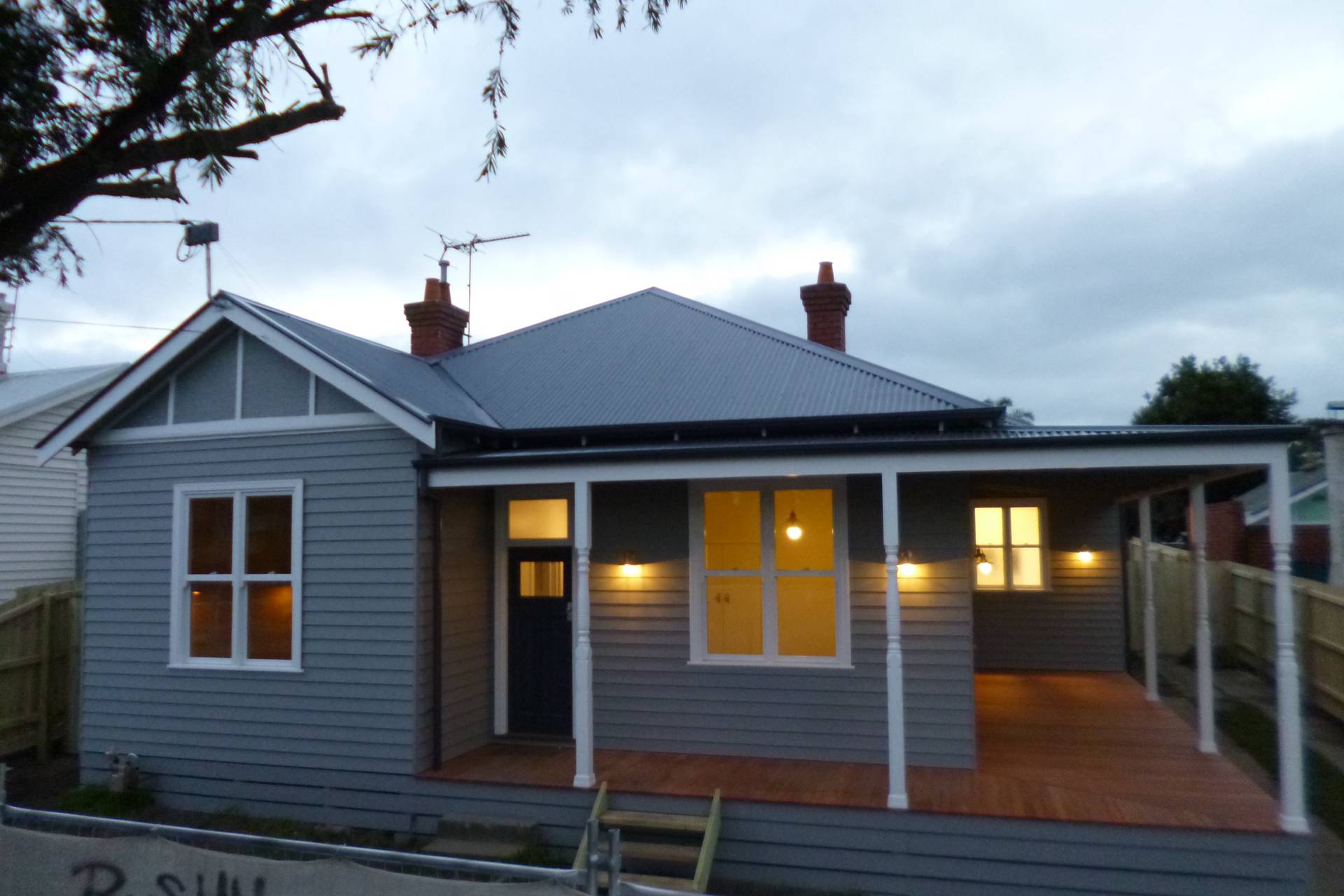
Edwardian Home Renovations
Edwardian homes are found throughout both the inner north and eastern suburbs of Melbourne and are known for:
- wider layouts than Victorian terraces
- decorative timber detailing
- generous ceiling heights
An Edwardian home renovation typically involves:
- improving flow between formal front rooms and informal living areas
- modernising kitchens and bathrooms
- enhancing connection to outdoor spaces
These homes lend themselves well to renovation, allowing for open-plan living while maintaining their period features.
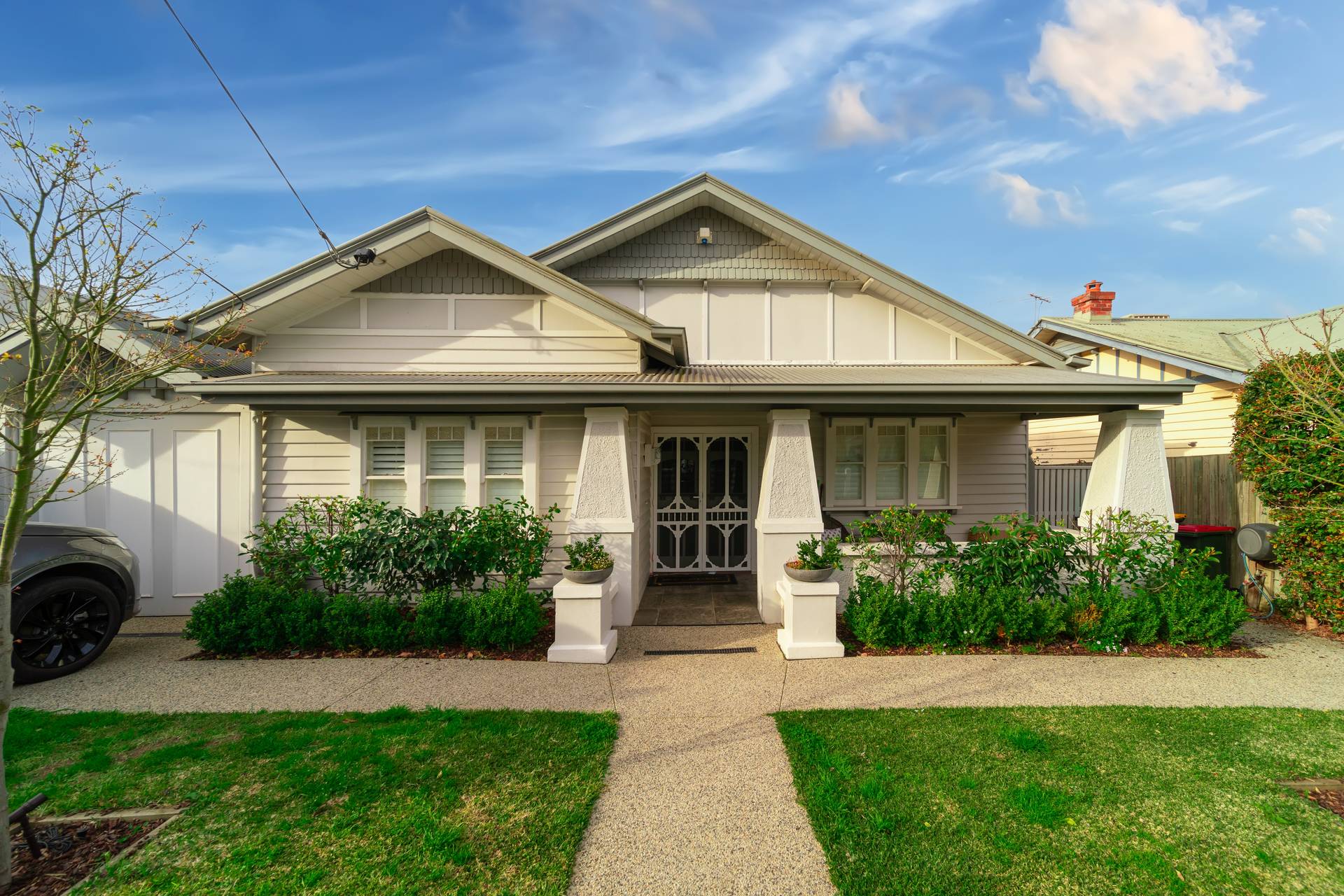
Californian Bungalow Renovations (Eastern Suburbs)
Common in suburbs like Hawthorn, Camberwell, Kew and Surrey Hills, Californian bungalows offer larger footprints and more flexibility.
A Californian bungalow renovation in Melbourne often focuses on:
- reconfiguring internal layouts for family living
- upgrading kitchens and bathrooms
- improving indoor-outdoor flow
- enhancing natural light throughout
These homes are ideal for modernisation without losing character, as their scale allows for significant upgrades while retaining their distinctive façade.
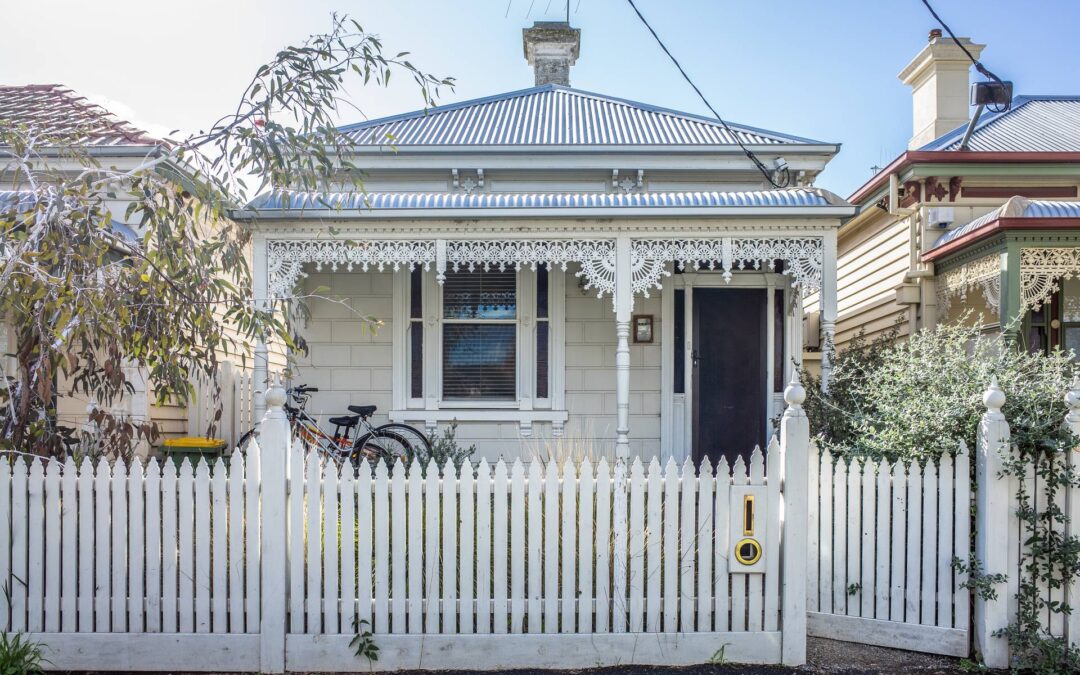
Federation Home Renovations
Federation homes—found across many established Melbourne suburbs—are known for their ornate detailing, generous proportions and strong street presence.
A Federation home renovation typically involves:
- restoring decorative features such as timber fretwork, leadlight windows and fireplaces
- improving internal layouts for modern living
- upgrading kitchens, bathrooms and services
- enhancing connection between indoor and outdoor spaces
These homes respond well to renovation, allowing for modern updates while retaining their distinctive architectural character.
Heritage Overlay Renovations in Melbourne
Many period homes across Melbourne—including Victorian terraces, Edwardian homes and Californian bungalows—are affected by council heritage overlays, which introduce specific planning requirements and restrictions.
Undertaking a heritage overlay renovation in Melbourne typically involves:
- working within council planning controls and permit requirements
- preserving façades and significant architectural elements
- designing alterations that are sympathetic to the original home
- upgrading structural elements and services without compromising heritage value
For homeowners planning a heritage overlay renovation in Melbourne, understanding the design and documentation process is just as important as construction. The choice between working with an architect or a draftsperson can impact design quality, planning approvals and overall project outcomes.
If you’re considering your options, learn more about architect vs draftsman for period home extensions and renovations to determine the most suitable approach for your project.
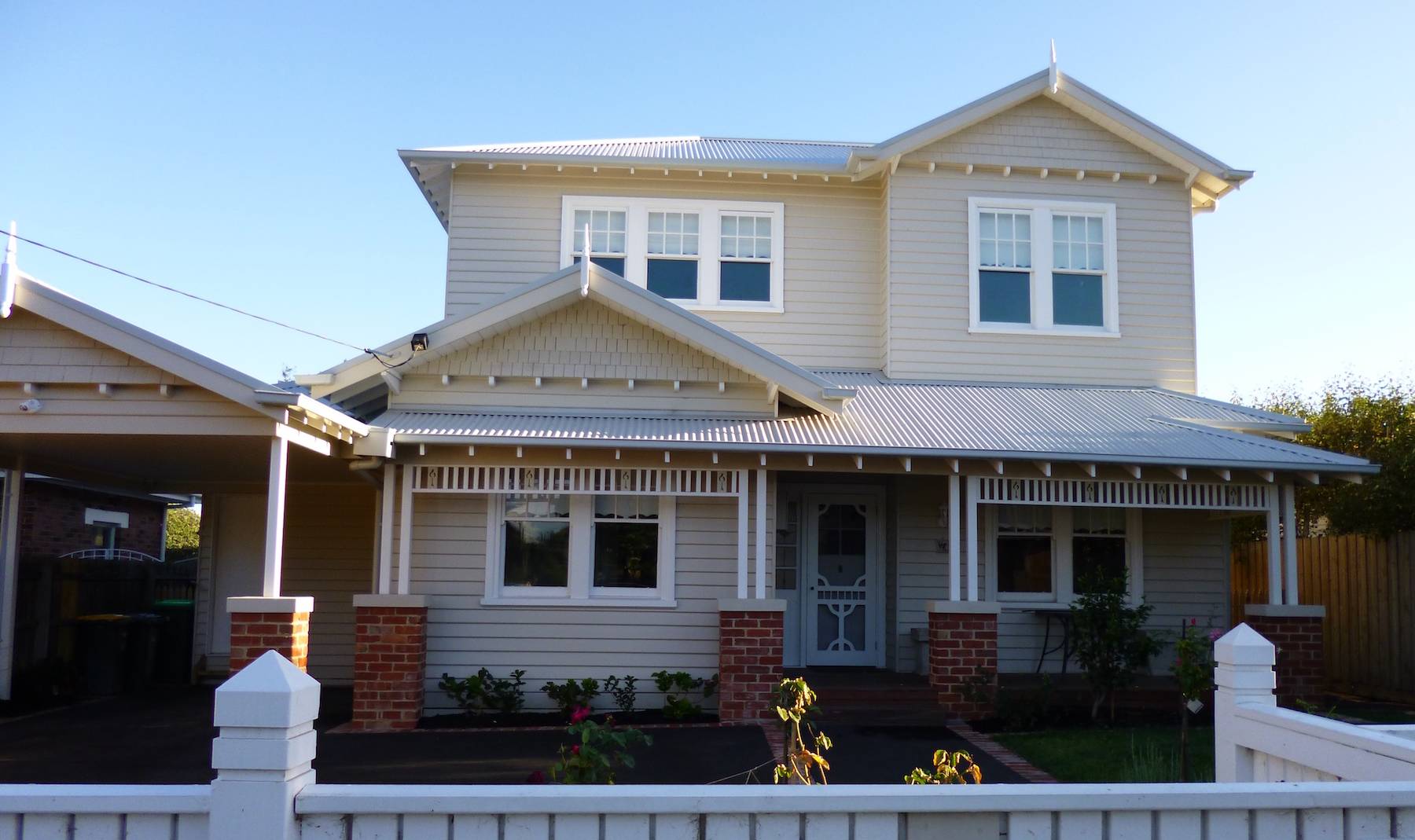
Structural Alterations to Improve Floor Plans
One of the most effective ways to modernise a Melbourne period home without losing character is through carefully planned structural alterations and internal modifications. Rather than extending, many homes can be significantly improved by rethinking how the existing space is used.
A well-designed period home alteration focuses on improving layout, flow and functionality while respecting the original structure.
Improving layout and flow
Older homes were often designed with separated rooms and limited connection between spaces. Through internal structural alterations, it’s possible to:
- open up key living zones
- widen transitions between rooms
- reconfigure underutilised or inefficient spaces
These changes help improve the floor plan of an old house, making it more practical for modern living while maintaining its character.
Creating open-plan living (where appropriate)
Many homeowners want open-plan living in a period home, particularly around kitchen and living areas.
This can often be achieved through structural modifications, such as removing or altering load-bearing walls. However, it’s important that any changes are carefully designed to:
- suit the proportions of the original home
- retain a sense of separation where needed
- avoid over-opening spaces in heritage areas
A balanced approach ensures the home feels modern without losing its identity.
Connecting to outdoor areas
Improving the connection between indoor and outdoor spaces is a common goal in modifying a period home in Melbourne.
Structural alterations can help:
- create better access to gardens or courtyards
- introduce more natural light
- improve flow between living areas and outdoor spaces
This is particularly valuable for family living and entertaining.
Building permits and structural requirements
All structural alterations and modifications to a home in Victoria require the appropriate building permits and approvals.
This may include:
- engineering assessments for load-bearing changes
- council approvals where required
- compliance with Victorian building regulations
Understanding the permit process is essential when planning period home alterations, particularly for homes with a heritage overlay.
Working with an experienced Melbourne builder ensures that all structural work is properly designed, approved and constructed to meet current standards.
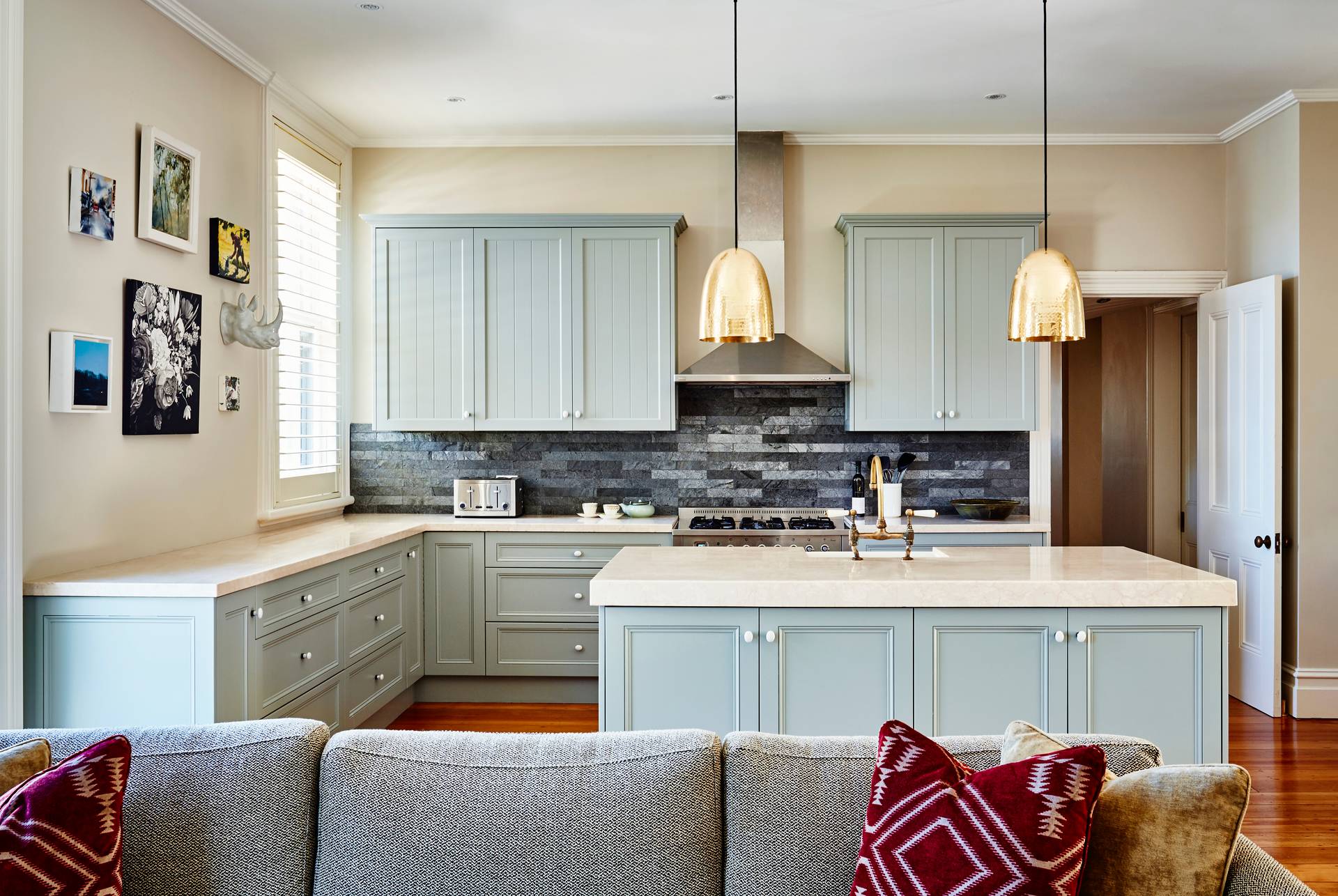
Modern Kitchens & Bathrooms in Period Homes
Kitchens and bathrooms are where modernisation has the greatest day-to-day impact. A well-designed period home renovation in Melbourne focuses on creating modern kitchens and bathrooms that improve functionality and comfort, while still respecting the home’s original character.
Whether updating a Victorian terrace kitchen or designing a modern bathroom in a Californian bungalow, the goal is to introduce contemporary living standards without creating a disconnect from the rest of the home.
Modern Kitchens in Period Homes
Designing a modern kitchen in a period home requires a careful balance between old and new.
Key considerations include:
- contemporary layouts that improve workflow and usability
- durable, high-quality materials suited to everyday use
- integrating modern appliances without dominating the space
- maintaining visual connection to heritage features such as fireplaces, ceiling details or timber floors
A successful period home kitchen renovation blends functionality with restraint—allowing the kitchen to feel modern, while still belonging within the home’s overall design.
For homes in Melbourne’s inner north and eastern suburbs, this often means creating open-plan kitchen and living areas toward the rear, while preserving more formal rooms at the front.
Modern Bathrooms in Period Homes
Bathrooms are another key area where thoughtful updates can significantly improve comfort and usability.
A modern bathroom renovation in a period home typically involves:
- upgrading plumbing and waterproofing systems
- improving lighting and ventilation
- selecting clean, timeless finishes that complement heritage elements
- maximising space in often compact layouts
Designing a bathroom for a Victorian or Edwardian home requires attention to proportion and detail, ensuring the space feels contemporary without appearing out of place.
Blending Modern Design with Melbourne Period Home Character
The challenge in any modernisation of a period home is ensuring new work enhances rather than competes with the original architecture.
This can be achieved through:
- restrained material palettes
- simple, well-proportioned cabinetry and fittings
- subtle references to traditional detailing
- consistency between old and new spaces
The result is a home that feels cohesive—where modern kitchens and bathrooms sit comfortably within the style of a period home.
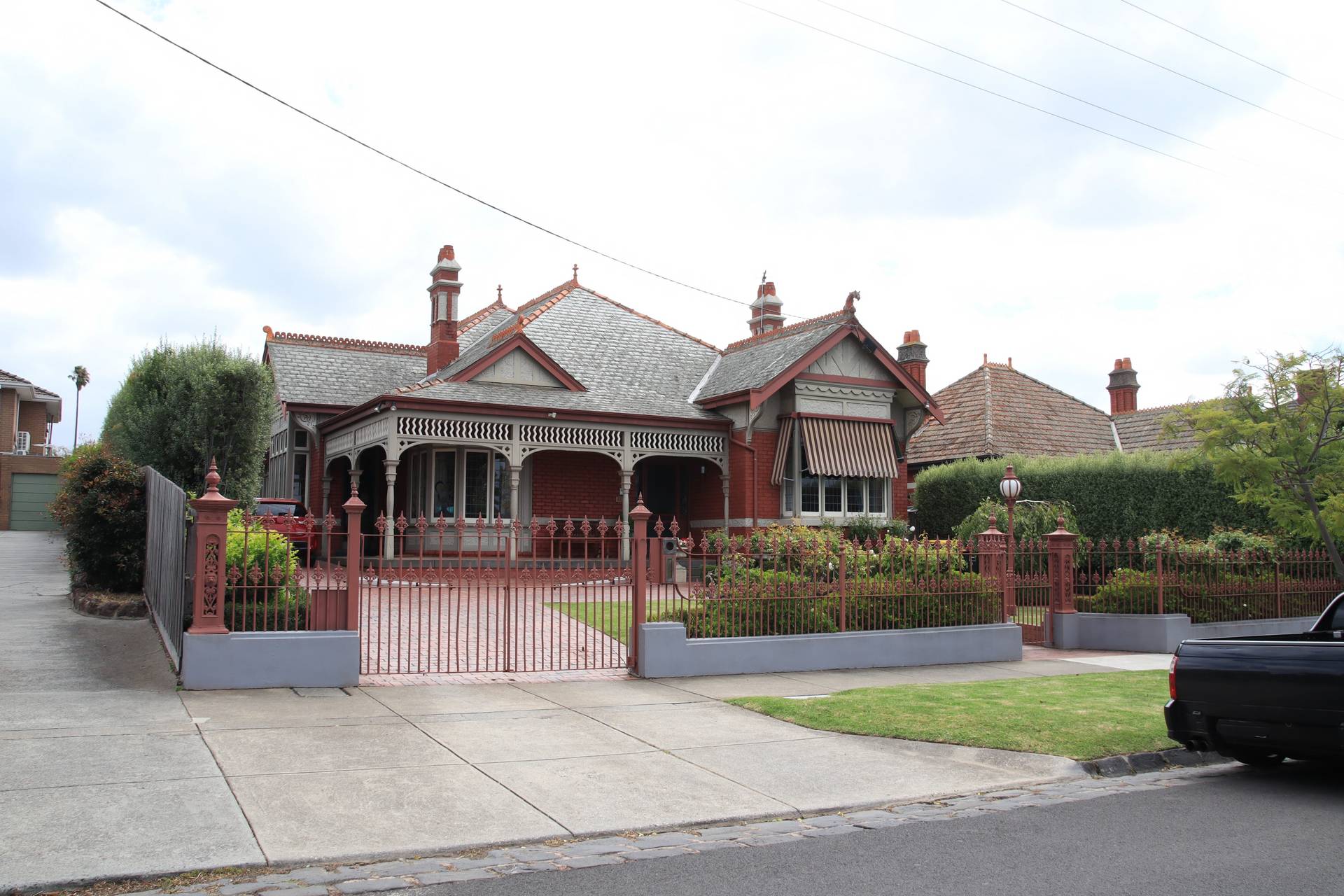
Restoration & External Repairs
Maintaining and restoring the exterior of a period home is essential to preserving its character, structural integrity and long-term value. A well-executed period home restoration in Melbourne focuses on repairing original features rather than replacing them, ensuring the home retains its architectural identity.
Across Melbourne’s Victorian, Edwardian and Californian bungalow homes, careful external restoration and repair work protects the building while enhancing its street presence.
Roof Restoration and Repairs
Roofs are one of the most critical elements in any period home renovation or restoration.
Restoration may include:
- repairing or replacing metal roofs on Edwardian homes
- restoring tiled roofs on Californian bungalows
- undertaking specialised slate roof restoration on Victorian homes
- addressing leaks, drainage and structural issues
- reinstating original roof details where required
Slate roofing restoration requires a high level of craftsmanship, including repairing or replacing damaged slates, restoring ridge capping, and ensuring the roof remains watertight while preserving its original appearance.
Proper roof restoration ensures long-term durability while maintaining the architectural integrity of the home.
Weatherboard and Cladding Repairs
Timber weatherboards and external cladding are key features of many period homes.
Cladding repairs in Melbourne may involve:
- replacing damaged or rotted weatherboards
- repairing existing block weatherboards on Victorian homes.
- matching original profiles and materials
- repainting and sealing for long-term protection
These works help maintain both performance and visual consistency with the home’s original architecture.
Verandah, Iron Lacework & Tiling Restoration
Decorative elements are often what give period homes their character and street appeal.
Restoration works can include:
- repairing or reinstating iron lacework and decorative metalwork
- restoring verandahs and timber detailing
- repairing or replacing tessellated tiles in entryways and verandahs
These details are carefully restored to retain the home’s original craftsmanship and traditional architectural style.
Brickwork, Chimneys & Leadwork
Masonry elements require specialised attention, particularly in older homes.
A period home restoration may involve:
- tuckpointing brickwork to restore original finishes
- repairing or rebuilding chimneys
- restoring leadwork and flashing to prevent water ingress
These upgrades ensure the home remains structurally sound while preserving its historic character.
Façade Preservation
The façade is often the most protected element of a period home, particularly in heritage overlay areas in Melbourne.
Façade restoration focuses on:
- preserving original architectural details
- repairing rather than replacing materials
- maintaining proportions and visual integrity
- ensuring compliance with heritage requirements
A carefully restored façade ensures the home continues to contribute to the character of the surrounding streetscape.
Improving Comfort & Energy Efficiency in Period Homes
Older homes are often rich in character—but can lack the comfort and efficiency expected in modern living. A well-planned period home renovation in Melbourne focuses on improving thermal performance, reducing energy use, and creating a more comfortable indoor environment year-round.
With increasing expectations around sustainability and 7-star energy rating standards in Victoria, upgrading a period home’s performance is becoming an essential part of the renovation process.
Upgrading Windows and Glazing
Windows are one of the biggest sources of heat loss in older homes.
Upgrading to double glazed windows or secondary glazing on period homes can significantly improve:
- thermal performance in both summer and winter
- noise reduction in inner Melbourne suburbs
- overall comfort and liveability
Where heritage restrictions apply, secondary glazing solutions can be used to improve efficiency while preserving original window frames and façade appearance.
Insulation for Walls, Ceilings and Floors
Many period homes have little to no insulation, leading to heat loss and poor energy efficiency.
Targeted upgrades may include:
- ceiling insulation to reduce heat transfer
- wall insulation in existing homes (where accessible)
- underfloor insulation to improve comfort and reduce draughts
Improving insulation is one of the most effective ways to make an old house warmer in winter and cooler in summer, without altering its character.
Draught Sealing and Passive Improvements
Uncontrolled air leakage is a major issue in older homes.
Draught sealing can involve:
- sealing gaps around windows and doors
- improving door and window seals
- addressing subfloor ventilation issues
These relatively simple upgrades can dramatically improve comfort and reduce energy loss.
Solar Panels and Battery Systems
Many homeowners are now looking to integrate solar panel and battery systems as part of their renovation.
Installing solar energy systems in period homes can:
- reduce reliance on the grid
- lower long-term energy costs
- support more self-sufficient living
Battery storage systems allow excess energy to be stored and used when needed, improving overall efficiency.
Careful design ensures these systems are integrated in a way that minimises visual impact—particularly important in heritage overlay areas in Melbourne.
Working Towards 7-Star Energy Performance
While older homes were not originally built to modern standards, renovations can significantly improve their performance.
A well-considered upgrade can help move a home closer to a 7-star energy rating, through:
- improved insulation and glazing
- efficient heating and cooling systems
- better building envelope performance
This not only enhances comfort but also future-proofs the home against rising energy costs and regulatory expectations.
Structural Repairs & Subfloor Upgrades
Before any cosmetic work begins, it’s critical to address underlying structural issues. Many period homes across Melbourne—particularly Victorian terraces and older weatherboard
houses—require subfloor repairs and structural upgrades to ensure they are safe, stable and ready for renovation.
Restumping and Subfloor Repairs
Over time, timber stumps can deteriorate, leading to uneven floors and structural movement.
A typical restumping or subfloor repair in a period home may involve:
- stabilising foundations
- replacing or repairing deteriorated stumps
- re-stumping with concrete stumps
- correcting uneven or sloping floors
- improving subfloor ventilation and drainage
These works are essential to restore structural integrity and provide a solid base for any further renovation.
Building Permits and Structural Requirements
All structural repairs and subfloor upgrades in Victoria require the appropriate building permits and approvals.
This may include:
- engineering assessments for structural stability
- compliance with Victorian building regulations
- inspections throughout the construction process
For homes with a heritage overlay, additional planning considerations may also apply.
Working with an experienced builder ensures that all structural works are properly designed, approved and carried out in accordance with current standards—reducing risk and avoiding costly issues later.
Electrical & Plumbing Upgrades for a Modern Period Home
Modern living requires modern infrastructure and services. As part of a period home renovation in Melbourne, upgrading electrical and plumbing systems is essential to improve safety, performance and energy efficiency—while supporting the demands of contemporary living.
Thoughtfully planned upgrades ensure the home functions seamlessly without compromising its original character.
Electrical Upgrades for Modern Living
Older homes often have outdated wiring and limited electrical capacity. A comprehensive electrical upgrade in a period home may include:
- full or partial rewiring of older electrical systems
- upgrading switchboards to meet current safety standards
- increasing capacity to support modern appliances and home technology
- integrating energy-efficient LED lighting throughout the home
- incorporating smart home systems for lighting, heating and security
Modern electrical design also allows for more considered lighting, enhancing both functionality and atmosphere while improving overall energy efficiency.
Energy-Efficient Electrical Solutions
As part of a broader focus on sustainability, many homeowners are incorporating energy-efficient electrical systems into their renovation.
This may include:
- optimised lighting layouts to reduce energy consumption
- integration with solar panel and battery systems
- provision for electric vehicle (EV) charging
- smart controls to better manage energy use
These upgrades support a more efficient, future-ready home while aligning with evolving energy standards.
Plumbing Upgrades and Water Efficiency
Plumbing systems in older homes are often outdated and inefficient. A plumbing upgrade in a period home renovation may involve:
- replacing ageing sewer pipes and fittings
- improving water pressure and system reliability
- upgrading drainage and stormwater systems
- upgrades for new kitchens, bathrooms and laundries
Modern plumbing design ensures the home performs reliably while supporting contemporary layouts.
Water-Efficient Fixtures and Sustainable Systems
Upgrading plumbing also creates an opportunity to improve water efficiency and sustainability.
This can include:
- installing water-efficient fixtures and fittings
- incorporating rainwater harvesting systems
- preparing for greywater reuse where appropriate
- selecting systems that reduce long-term water consumption
These improvements contribute to a more sustainable home while reducing ongoing utility costs.
What Can Be Achieved Without an Extension
Many homeowners assume that improving a period home requires an extension. In reality, a well-planned period home renovation in Melbourne can significantly transform how a home functions—often without the need to build out.
Through internal alterations and thoughtful design, it’s possible to modernise a period home, improve liveability and retain more of its original structure.
Improving Layout Without Extending
Older homes—particularly double fronted Victorian and Edwardian homes—often suffer from inefficient layouts rather than a lack of space.
Through structural alterations and floor plan improvements, you can:
- create better flow between living areas
- open up key zones for modern living
- reduce wasted or underutilised space
These changes allow you to improve the layout of an old house without increasing its footprint.
Creating More Usable Space
Many period homes already have enough space—it’s just not being used effectively.
In homes such as Californian bungalows in Melbourne’s eastern suburbs, internal reconfiguration can:
- unlock larger living areas
- improve functionality for families
- better connect kitchen, dining and living spaces
This approach focuses on making existing space work harder, rather than adding more.
Modernising Key Areas
Targeted upgrades to kitchens, bathrooms and living areas can dramatically change how a home feels.
A well-executed period home renovation without extension may include:
- modern kitchens designed for everyday use
- updated bathrooms with improved layout and performance
- enhanced lighting and spatial flow
These improvements help modernise a period home without losing character, aligning with how people live today.
Reducing Cost and Complexity
Avoiding an extension can reduce:
- construction costs
- planning and permit complexity
- build time and disruption
For homes with heritage overlays in Melbourne, internal renovations can also simplify the approval process, as external changes are often more restricted.
When Renovation Alone Is the Right Approach
For many properties—including Victorian terraces in the inner north and Californian bungalows in established suburbs—renovation alone can achieve a highly functional and modern outcome.
Understanding when to renovate rather than extend is key to delivering a solution that is:
- cost-effective
- architecturally appropriate
- aligned with the home’s original character
When an Extension May Be Considered
In some cases—particularly where space is limited or the existing layout cannot be resolved—an extension may be the right solution. For many homeowners, this becomes part of a broader period home renovation in Melbourne, where both internal alterations and additional space are considered together.
While renovation alone can achieve a great deal, certain homes—such as compact Victorian terraces in Melbourne’s inner north and east—may benefit from a carefully designed rear or second-story extensions to improve functionality and accommodate modern living.
When an Extension Makes Sense
A period home extension may be appropriate where:
- the existing footprint cannot support modern family living
- additional bedrooms or living areas are required
- internal reconfiguration alone cannot resolve layout constraints
In these cases, a well-planned period home extension Melbourne approach ensures the new work integrates seamlessly with the original structure.
Designing Extensions That Respect the Original Home
Any extension to a period home should be carefully considered to ensure it complements rather than competes with the existing architecture.
This often involves:
- an extension to the rear of the property
- maintaining the integrity of the original façade
- using contemporary design that contrasts respectfully with heritage elements
A well-executed period home extension in Melbourne enhances both the functionality and value of the home while preserving its character.
Renovation First, Extension Where Needed
A considered approach always begins with understanding what can be achieved through renovation alone. Only after exploring structural alterations and layout improvements should an extension be introduced where necessary.
For many homes—including Californian bungalows and Edwardian houses in Melbourne’s eastern suburbs—this balanced approach delivers the best outcome:
- improved liveability
- increased space where required
- preservation of traditional architectural character
Cost Considerations for Period Home Renovations
Understanding the cost of a period home renovation in Melbourne is an important part of the planning process. While every project is different, costs can vary significantly depending on the scope of work, the condition of the home and the level of finish required.
Homeowners often search for “how much does it cost to renovate a Victorian or period home”, but the reality is that pricing is influenced by a range of factors.
What Affects the Cost of a Period Home Renovation in Melbourne?
The cost of a period home renovation is typically influenced by:
- Scope of structural work
(e.g. structural alterations, restumping, or layout changes) - Level of restoration required
(including façade repairs, roof restoration, or heritage detailing) - Quality of finishes and materials
(particularly in kitchens, bathrooms and living areas) - Site conditions and access
(common in inner Melbourne suburbs with limited access) - Extent of services upgrades
(electrical, plumbing, heating and cooling systems) - Heritage overlay requirements
(which may impact design, materials and approvals)
Typical Renovation Costs in Melbourne
While costs vary, a period home renovation in Melbourne can range from:
- moderate renovations: focused internal updates and improvements
- more extensive renovations: including structural alterations and full upgrades
- high-end renovations: involving detailed restoration, premium finishes and complex works
Rather than focusing on a single figure, it’s more useful to understand the level of renovation required and how that aligns with your budget and long-term goals.
Renovation vs Extension Costs in Melbourne
One of the key considerations is whether to renovate within the existing footprint or extend.
In many cases, a period home renovation without extension can:
- reduce overall construction costs
- simplify planning and approvals
- preserve more of the original structure
Extensions can add value where needed, but also introduce additional cost, complexity and time—particularly with homes that have a heritage overlay.
Balancing Cost with Long-Term Value
A well-planned renovation is not just about upfront cost—it’s about long-term performance and value.
Investing in:
- structural integrity
- quality materials
- energy efficiency upgrades
- thoughtful design
can significantly improve how the home functions, reduce ongoing costs and enhance resale value.
The most successful period home renovations strike a balance between budget, design and long-term outcomes.
Renovating Period Homes Across Melbourne
We specialise in period home renovations across Melbourne, with a strong focus on the inner north and eastern suburbs—areas known for their concentration of Victorian, Edwardian and Californian bungalow homes.
Each location presents its own architectural styles, site constraints and planning considerations, particularly when working within heritage overlay areas in Melbourne.
Inner North Melbourne (Victorian Terraces & Worker’s Cottages)
Suburbs such as Fitzroy, Carlton, Northcote and Brunswick are characterised by:
- compact Victorian terrace homes
- narrow sites with limited access
- strong heritage controls and streetscape consistency
A Victorian terrace renovation in Melbourne’s inner north often involves:
- improving natural light in long, narrow floor plans
- reconfiguring layouts for better flow
- upgrading kitchens and bathrooms within tight footprints
Experience working in these suburbs is essential to navigate both design challenges and council requirements.
Eastern Suburbs Melbourne (Californian Bungalows & Edwardian Homes)
In suburbs like Hawthorn, Camberwell and Kew, homes are typically:
- larger Californian bungalows and Edwardian homes
- set on wider blocks
- more adaptable to internal reconfiguration
A Californian bungalow renovation in Melbourne’s eastern suburbs may focus on:
- creating open-plan living areas
- upgrading kitchens and family spaces
- improving indoor-outdoor connections
These homes offer greater flexibility, but still require a careful approach to preserve their character.
Working Within Heritage Overlay Areas
Many homes across both inner north and eastern Melbourne fall within heritage overlay zones, which influence how renovations can be carried out.
A heritage home renovation in Melbourne may require:
- planning permits for external works
- preservation of façades and key architectural features
- careful design of alterations to ensure they are sympathetic to the original home
Understanding how to work within these constraints is critical to delivering a compliant and well-resolved renovation.
Local Experience Matters
Renovating period homes is not just about construction—it’s about understanding the nuances of each area, from site access and neighbouring properties to council expectations.
Working with a builder experienced in period home renovations and alterations in Melbourne’s inner north and eastern suburbs ensures:
- smoother planning and approval processes
- better design outcomes
- renovations that respect both the home and its surroundings
Frequently Asked Questions About Period Home Renovations in Melbourne
How do you modernise a period home without losing character?
Modernising a period home without losing character involves improving layout, comfort and functionality while preserving original features such as fireplaces, cornices and timber floors. A well-planned period home renovation in Melbourne focuses on structural alterations, updated services and modern finishes that complement the home’s architectural style rather than replace it.
What should I consider before renovating a period home in Melbourne?
Before starting a period home renovation in Melbourne, it’s important to consider the condition of the structure, existing layout limitations, heritage overlay requirements and your long-term goals. Understanding whether your home requires structural repairs, restumping, or major layout changes will help determine the scope, cost and feasibility of the renovation.
Is it better to renovate or extend a period home?
Deciding whether to renovate or extend depends on the home’s layout, available space and your lifestyle needs. In many cases, a period home renovation without extension—using structural alterations and floor plan improvements—can significantly improve functionality. However, a period home extension in Melbourne may be required where additional space cannot be achieved within the existing footprint.
What is a heritage overlay in Melbourne?
A heritage overlay in Melbourne is a planning control applied by local councils to protect properties with historical or architectural significance. Homes affected by a heritage overlay must meet specific requirements when undertaking a heritage home renovation, particularly in relation to façades, external alterations and streetscape character.
Do I need council approval to renovate a period home in Melbourne?
Many period home renovations in Melbourne, particularly those involving heritage overlay properties or external changes, require council planning approval. Structural alterations, extensions and façade works may also require building permits and compliance with Victorian building regulations.
What changes are allowed in a heritage home renovation?
In a heritage overlay renovation in Melbourne, internal modifications such as layout changes, kitchen renovations and bathroom upgrades are generally permitted. External works—including extensions, façade changes and roofing—must be carefully designed to be sympathetic to the original home and may require council approval.
Can you create open-plan living in a Victorian or Edwardian home?
Yes, open-plan living in a period home can often be achieved through structural alterations such as removing or modifying load-bearing walls. In a Victorian terrace or Edwardian home renovation in Melbourne, this is typically done toward the rear of the property while preserving more formal front rooms.
How can I improve the layout of an old house?
Improving the layout of an old house often involves structural alterations and floor plan reconfiguration. This may include opening up living areas, improving circulation between rooms and making better use of underutilised spaces. These types of period home alterations in Melbourne can significantly improve functionality without requiring an extension.
Can you renovate a period home without extending?
Yes, many period home renovations in Melbourne can be completed without an extension. Through internal reconfiguration, improved layout and targeted upgrades to kitchens and bathrooms, it’s often possible to modernise a home and improve liveability within the existing footprint.
How much does it cost to renovate a period home in Melbourne?
The cost to renovate a period home in Melbourne varies depending on the scope of work, structural requirements, level of restoration and quality of finishes. Factors such as heritage overlay constraints, site access and the need for services upgrades—like electrical and plumbing—also influence overall renovation costs.
What factors affect the cost of a heritage home renovation?
The cost of a heritage home renovation in Melbourne is influenced by structural alterations, restoration work (such as roof repairs, tuckpointing or weatherboard replacement), design complexity and material selection. Additional costs may arise from planning approvals, heritage overlay requirements and upgrading older systems to meet modern standards.
How can I improve energy efficiency in a period home?
Improving energy efficiency in a period home renovation may include upgrading insulation in walls, ceilings and floors, installing double glazing for period homes, sealing draughts and integrating energy-efficient systems such as solar panels and battery storage. These upgrades help move homes closer to a 7-star energy rating in Victoria.
Can you double glaze windows in a heritage home?
Yes, double glazing in heritage homes is often possible, although it may be subject to heritage overlay restrictions. In many period home renovations in Melbourne, secondary glazing is used to improve thermal performance and noise reduction while preserving original window frames and external appearance.
Do structural alterations require a building permit in Victoria?
Yes, all structural alterations to a home in Victoria require a building permit and must comply with current building regulations. This includes work such as removing load-bearing walls, restumping, subfloor repairs and major layout modifications as part of a period home renovation in Melbourne.
Speak With a Period Home Renovation Specialist
If you’re considering renovating a period home in Melbourne—whether it’s a Victorian terrace, Edwardian home or Californian bungalow—the right approach makes all the difference.
Modernising a period home requires more than just updating finishes. It involves understanding how to improve layout, comfort and performance while preserving the architectural character that makes these homes unique.
A carefully planned renovation can transform how your home lives—enhancing functionality, increasing value and ensuring it continues to suit your lifestyle for years to come.
Start With the Right Advice
Every home is different, and the best outcomes come from a considered approach.
If you’re exploring:
- how to modernise a period home without losing character
- whether you can renovate without extending
- or what’s possible within your existing home with alterations
we can help you understand the options and develop a clear path forward.
Book a Consultation
We work with homeowners undertaking full home renovations and significant upgrades to period homes across Melbourne’s inner north and eastern suburbs.
If you’re ready to take the next step, get in touch to:
- discuss your home and goals
- explore renovation options
- understand what’s achievable within your budget
→If you’re considering your next steps, you can explore your options for a period home extension to better understand how additional space can be integrated while preserving the character of your home.
→Book a consultation to start planning your renovation
Building Ideas & Guides
Victorian Home Extension Costs Melbourne
Architect vs Draftsman for Period Home Extensions in Melbourne

Home Extensions Melbourne: Costs, Ideas & Expert Builders
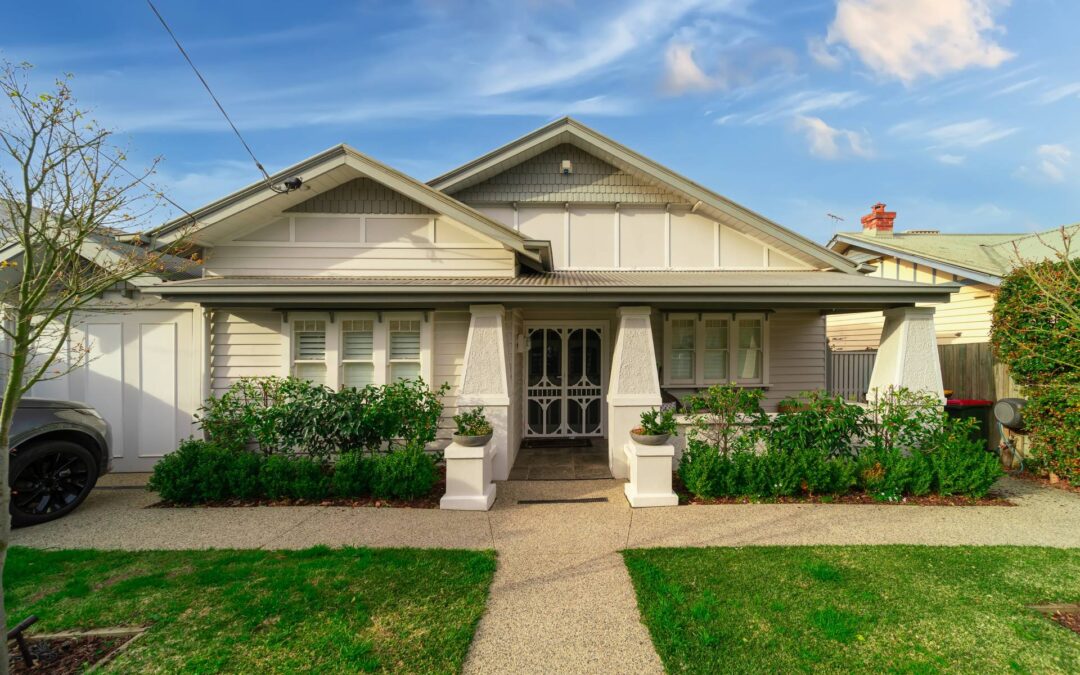
Californian Bungalow Extension Costs Melbourne
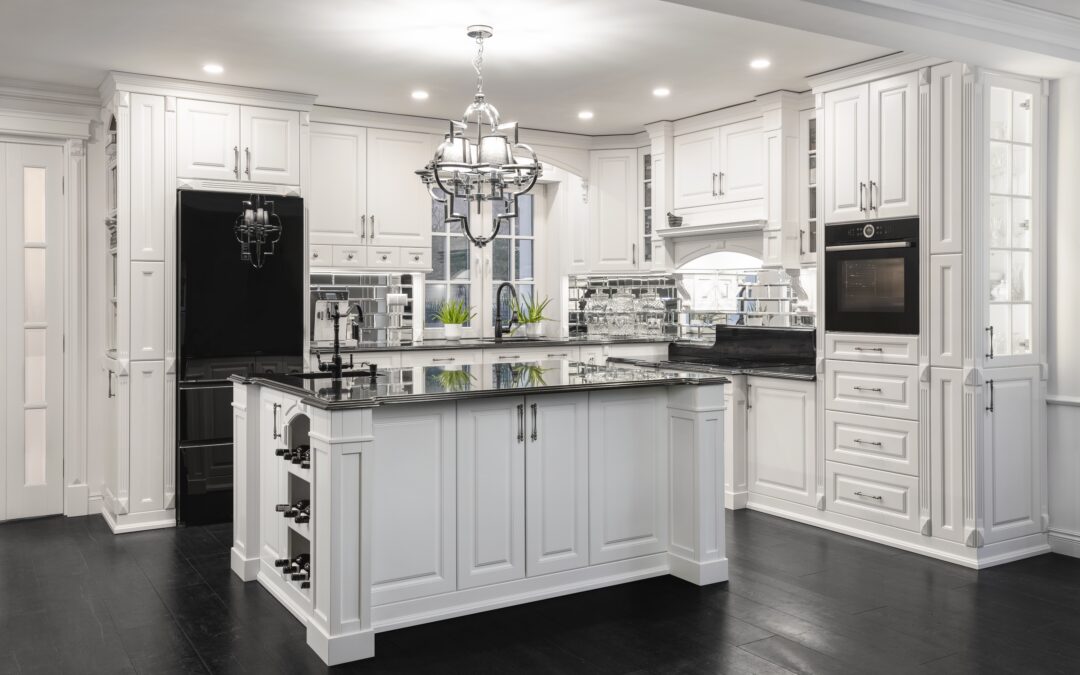
Hamptons Style Homes in Melbourne: Design, Features & Extensions
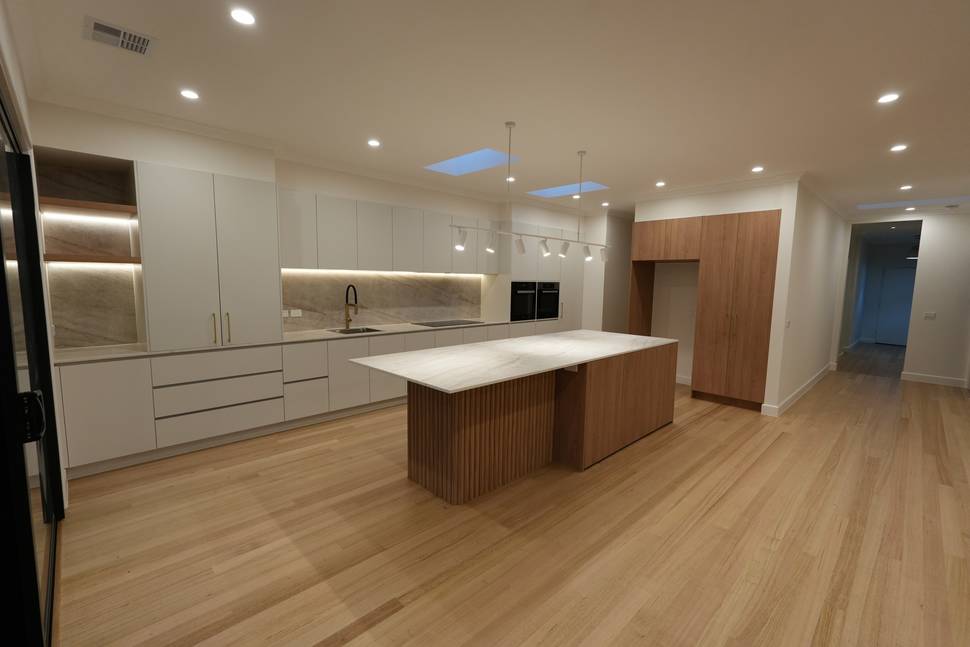
Do You Need a Planning Permit for a Home Extension in Victoria?
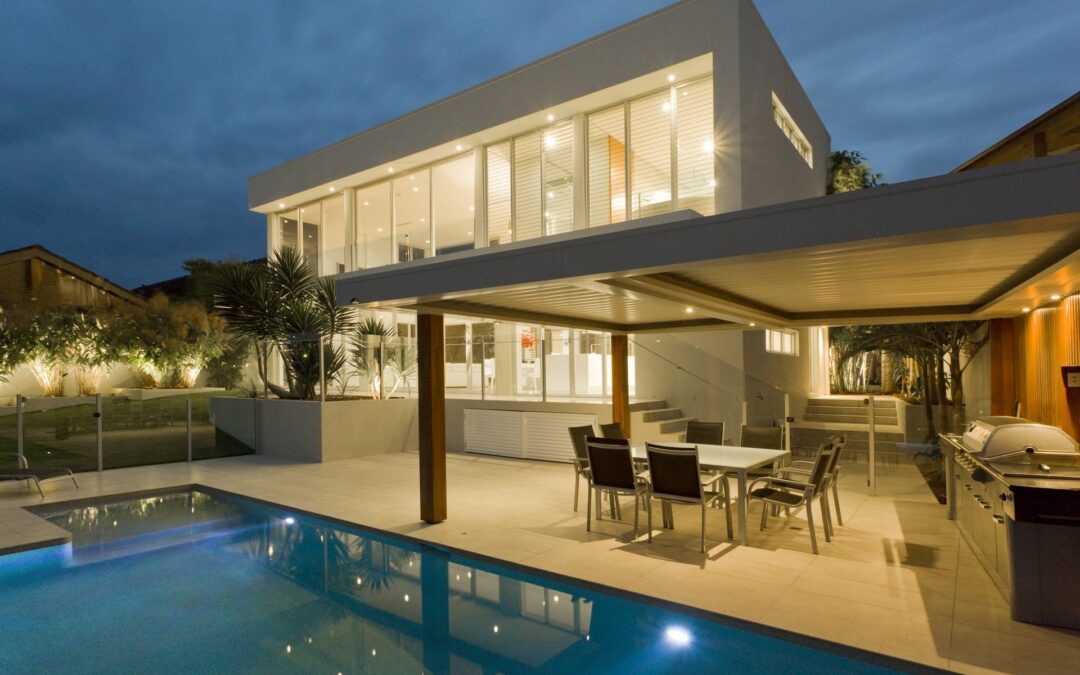
Sloping Block Homes Melbourne
Post and Beam Homes Melbourne: Custom New Homes & Home Extensions
Mud Brick Houses in Melbourne: History, Benefits & Extension Ideas