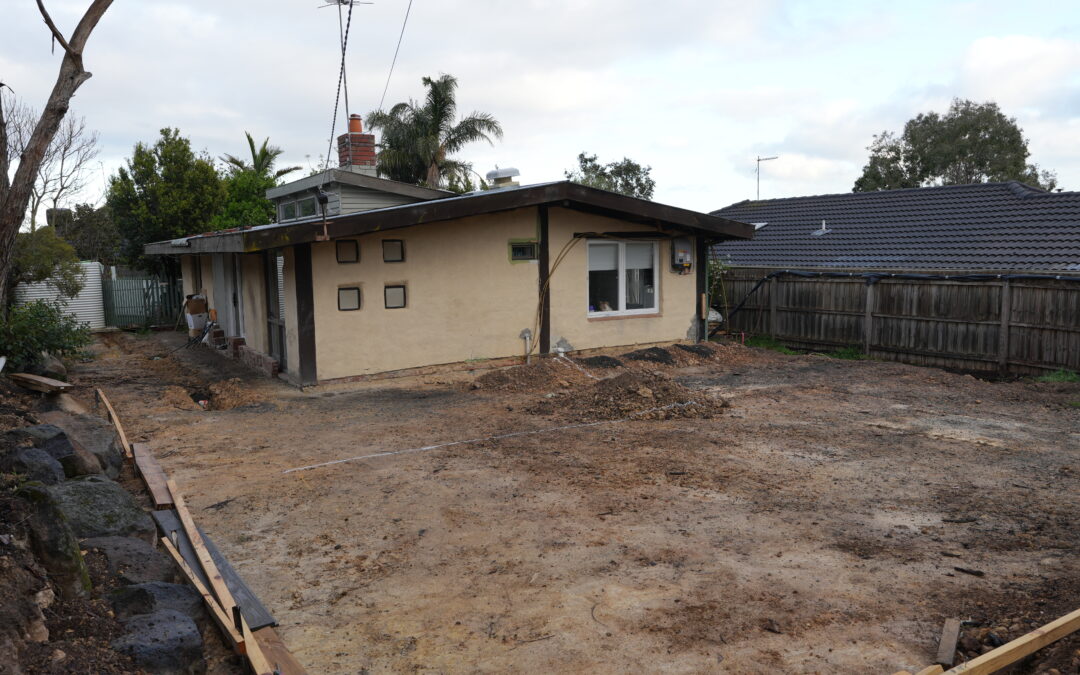
Home Renovations & Structural Alterations in Melbourne
Home renovations and structural alterations in Melbourne are one of the most effective ways to transform how your home looks, feels and functions—without the cost and disruption of moving. Whether you’re modernising an older property, upgrading key living areas or reworking your layout, the right approach can significantly improve both lifestyle and long-term value.
Across Melbourne, particularly in established suburbs such as Camberwell, Ivanhoe, Brighton and Kew, many homeowners are choosing to renovate and make structural alterations to better suit modern living.
In this guide, we’ll walk through the full renovation process, including internal and external upgrades, structural changes, and what to consider before starting your project.
In This Guide We Cover:
Home renovation process
Internal renovations
Living areas and layout changes
External renovations and façade upgrades
Structural alterations and permits
Renovation costs and budgeting
Renovation vs extension
Common mistakes to avoid
What Are Home Renovations and Structural Alterations?
Home renovations and structural alterations in Melbourne are often used together, but they refer to different types of work when upgrading your home.
Home renovations typically involve improving finishes and updating the look and functionality of your home—such as kitchens, bathrooms and living spaces—without significantly changing the structure.
Structural alterations, on the other hand, involve changing the layout or structural elements of the home to improve flow, usability and space.
This can include:
- Removing internal walls
- Creating open-plan living spaces
- Widening doorways and walkways
- Installing large sliding or bi-fold doors
- Modifying structural elements with beams and supports
In many Melbourne homes—particularly older or period properties—renovations and alterations are often combined to modernise layouts while also improving overall functionality and liveability.
INTERNAL HOME RENOVATIONS
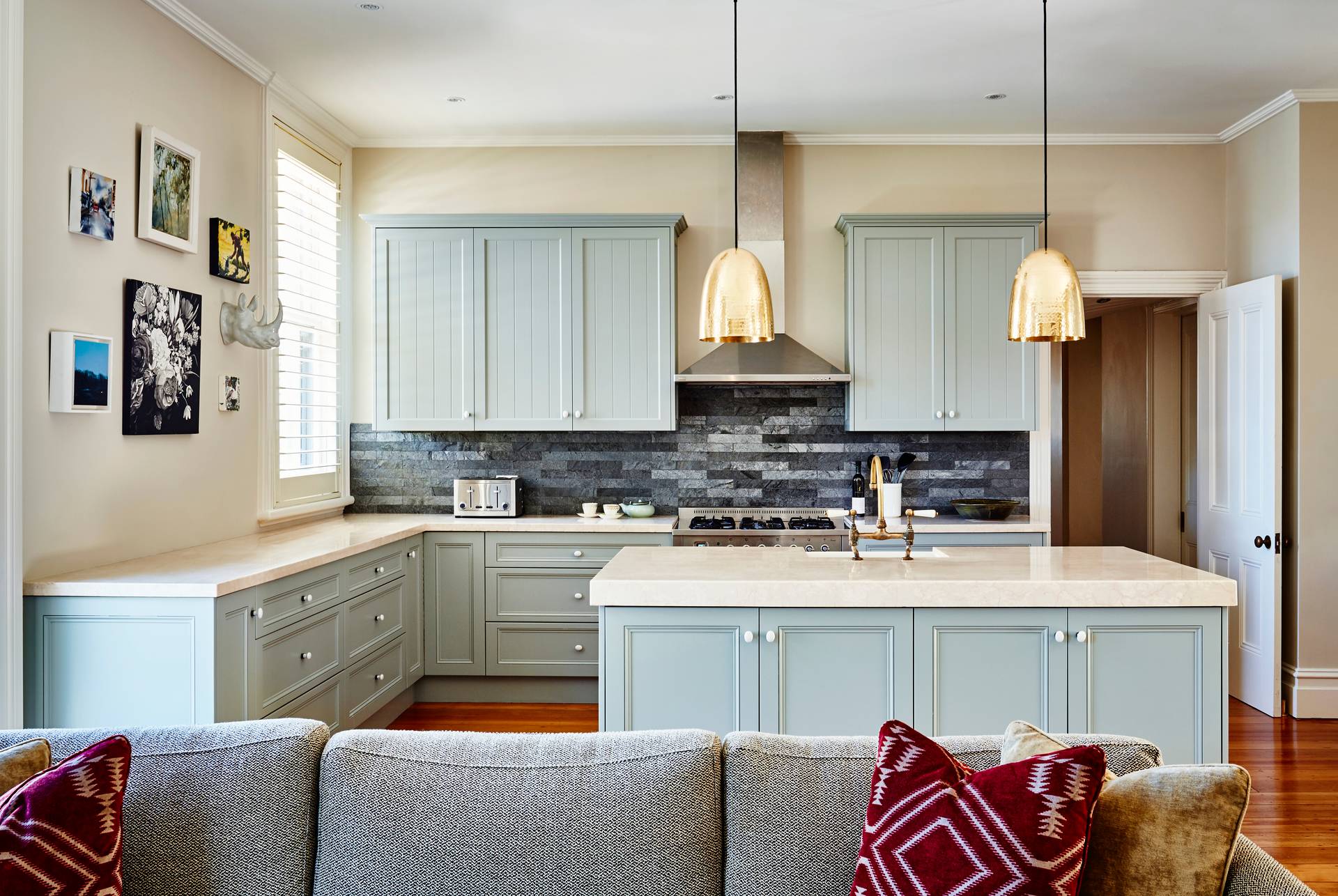
Kitchen Renovations in Melbourne: Layout, Design & Modern Upgrades
Kitchen renovations in Melbourne are one of the most popular ways to improve both functionality and lifestyle, particularly in older homes where layouts can feel closed off or outdated.
Many homeowners choose to renovate their kitchen as part of a larger home renovation or structural alteration project to create open-plan living spaces.
In suburbs like Kew, Surrey Hills and Camberwell, kitchen renovations often focus on modernising layouts, improving storage, and increasing connection to dining and living areas.
Common kitchen renovation upgrades include:
- Custom cabinetry and joinery for improved storage
- Stone benchtops and splashbacks
- Appliance upgrades and integrated designs
- Kitchen layout changes, including island benches and open-plan configurations
Kitchen layout changes and structural alterations
In many Melbourne homes, particularly period properties, kitchen renovations involve structural alterations to improve flow and usability. This can include:
- Removing walls to create open-plan kitchen and living areas
- Widening openings between kitchen and dining spaces
- Installing large sliding or bi-fold doors to connect indoor and outdoor areas
These types of kitchen renovation and alteration projects are commonly used to transform older homes into modern, functional living spaces.
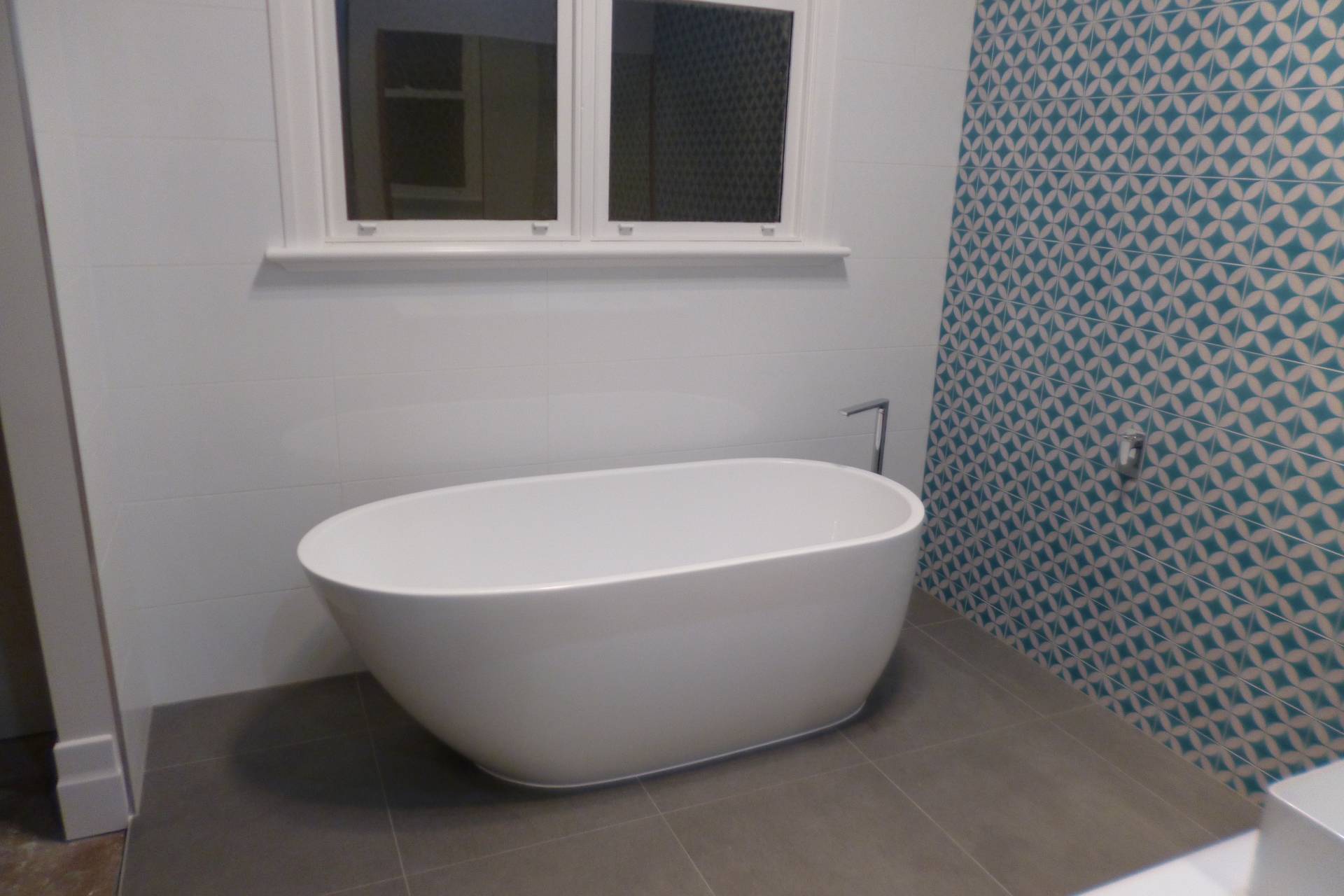
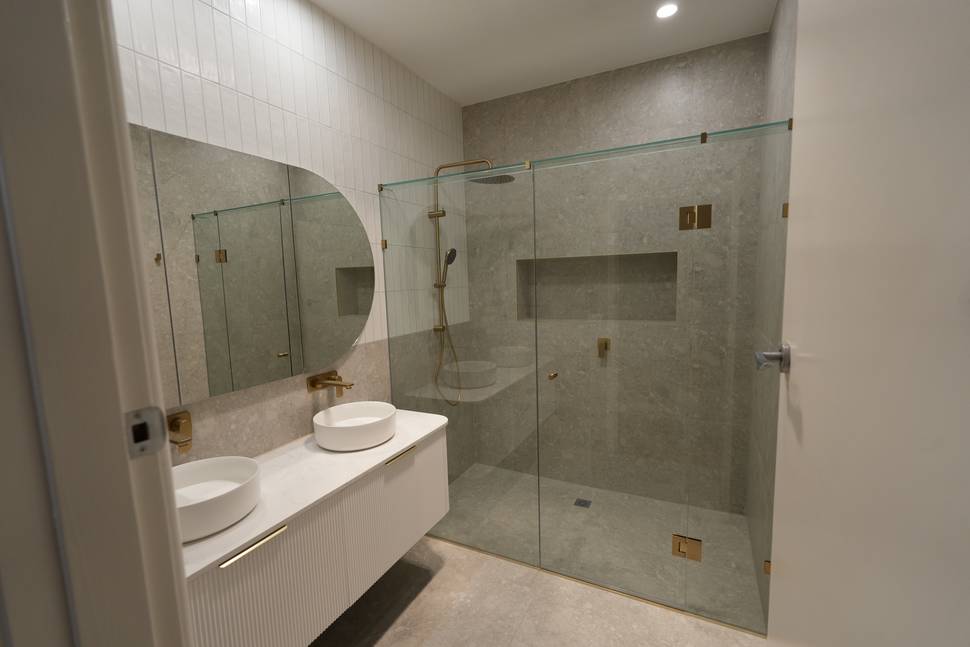
Bathroom Renovations in Melbourne: Design, Layout & Modern Upgrades
Bathroom renovations in Melbourne are one of the most common and high-impact upgrades, helping improve comfort, functionality and overall property value. Whether updating an outdated bathroom or redesigning the layout, a well-planned renovation can significantly enhance everyday living.
In many Melbourne homes—particularly older properties—bathroom renovations often involve both cosmetic upgrades and structural alterations to improve layout, plumbing and usability.
Common bathroom renovation upgrades include:
- New tiling, vanities and modern fixtures
- Waterproofing upgrades to meet current standards
- Plumbing reconfiguration and improved drainage
- Walk-in showers, freestanding baths and modern layouts
Bathroom layout changes and structural considerations
In some cases, bathroom renovations in Melbourne require layout changes or structural work, particularly in older homes. This may include:
- Reconfiguring bathroom layouts to maximise space
- Relocating plumbing fixtures such as toilets, showers or vanities
- Expanding or combining bathrooms and laundries
- Improving ventilation and natural light
Older homes often require additional work to address outdated plumbing systems, water damage or structural limitations, which can impact the overall renovation scope
Laundry and Toilet Renovations in Melbourne: Practical Upgrades for Everyday Living
Laundry and toilet renovations in Melbourne are often overlooked, but they play an important role in improving the functionality and efficiency of your home. Many homeowners choose to upgrade these spaces as part of a broader home renovation, particularly in older properties where layouts and services may be outdated.
In suburbs such as Ivanhoe, Thornbury and Camberwell, laundry and toilet renovations are commonly combined with bathroom or kitchen upgrades to create more cohesive and practical living spaces.
Common laundry renovation upgrades include:
- Custom cabinetry and storage solutions
- Benchtops and integrated appliances
- Improved layout for better workflow
- Upgraded plumbing and drainage
Modern laundry renovations in Melbourne often focus on maximising space, particularly in smaller homes where efficient design is essential.
Toilet and powder room renovation ideas
Toilet renovations—often referred to as powder room upgrades—are a simple way to modernise your home and improve usability, especially in family homes or homes designed for entertaining.
Common upgrades include:
- New tiling, fixtures and fittings
- Space-saving layouts
- Improved ventilation and lighting
- Modern design finishes to match the rest of the home
Layout changes and combined spaces
In many Melbourne homes, particularly older properties, laundry and toilet renovations may involve layout changes or structural alterations to improve flow and functionality.
This can include:
- Combining laundry and bathroom spaces
- Relocating toilets or laundry areas
- Improving access and circulation
- Creating more efficient use of available space
These types of renovation and alteration projects help transform underutilised areas into practical, well-designed spaces.
Living Area and Open-Plan Renovations
Creating open-plan living is one of the biggest drivers behind home renovations in Melbourne.
This often involves:
- Removing load-bearing walls
- Installing structural beams
- Connecting kitchen, dining and living areas
- Improving natural light and airflow
These types of structural alterations are particularly popular in period homes where layouts are more compartmentalised.
Internal Layout Alterations
Beyond kitchens and bathrooms, many renovations focus on improving overall layout.
This can include:
- Reconfiguring bedrooms and living zones
- Adding walk-in robes or storage
- Converting unused spaces
- Improving circulation within the home
These changes often require careful planning, especially when structural elements are involved.
Living Area Renovations and Open-Plan Upgrades in Melbourne
Living area renovations in Melbourne are one of the most effective ways to improve comfort, functionality and overall style. Whether you’re updating finishes or creating open-plan living, these spaces are often the focus of modern home renovation projects.
Many homeowners choose to upgrade their living areas as part of a broader renovation, particularly in older homes where layouts and finishes may feel outdated.
Common living area renovation upgrades include:
- Interior painting and plaster repairs
- New flooring such as timber, hybrid or carpet
- Upgrading lighting and electrical fittings
- Updating skirting boards, architraves and finishes
- Improving insulation and comfort
These general renovation upgrades are often the first step in modernising a home and can significantly improve both appearance and usability.
Open-plan living and non-structural layout changes
Creating open-plan living is one of the biggest drivers behind home renovations in Melbourne, particularly in period homes where layouts are more compartmentalised.
In some cases, this can be achieved through non-load bearing wall removal or minor layout adjustments, which may not require major structural work.
This can include:
- Removing non-load bearing internal walls
- Widening doorways or openings
- Improving connection between kitchen, dining and living areas
- Increasing natural light and airflow
More complex structural changes—such as removing load-bearing walls—are typically treated as structural alterations and are covered separately, as they require engineering and building approvals.
Internal Layout Alterations and Space Reconfiguration
Beyond kitchens and living areas, many home renovations in Melbourne focus on improving the overall layout and usability of the home.
Common internal renovation and alteration works include:
- Reconfiguring bedrooms and living zones
- Adding walk-in robes, storage or study areas
- Converting unused spaces such as formal rooms
- Improving circulation and flow throughout the home
These types of layout improvements can range from simple non-structural changes to more complex alterations, depending on the scope of the project.
EXTERNAL HOME RENOVATIONS
Façade Renovations and Street Appeal Upgrades in Melbourne
Façade renovations in Melbourne are one of the most effective ways to improve street appeal, modernise your home’s exterior and increase overall property value. Whether you’re updating an older façade or refreshing the front of your home, external renovations can dramatically enhance first impressions.
Across Melbourne suburbs such as Brighton, Camberwell and Kew, many homeowners invest in façade upgrades as part of a broader home renovation, particularly when modernising period homes or creating a more cohesive design.
Common façade renovation upgrades include:
- Rendering or repainting external walls
- Weatherboard repair or replacement
- New windows and front doors
- Entryway upgrades and landscaping improvements
- Updating exterior finishes and materials
These types of exterior home renovations are often the first step in transforming the overall look and feel of a property.
Timber Weatherboard Façade Renovations in Melbourne
Timber weatherboard homes are a common feature across many Melbourne suburbs, particularly in established areas where older homes are being updated to suit modern living.
Renovating the façade of a weatherboard home is one of the most effective ways to improve street appeal while maintaining its original character.
In suburbs such as Camberwell, Kew and Ivanhoe, many homeowners are choosing to restore and modernise timber weatherboard façades as part of a broader home renovation.
Common timber weatherboard façade upgrades include:
- Replacing or repairing existing weatherboards
- Repainting external cladding with modern colour schemes
- Updating windows, trims and detailing
- Improving entryways and front porches
- Enhancing landscaping and street presentation
Modernising weatherboard homes while retaining character
Renovating a timber weatherboard home often involves balancing modern design with traditional features. Many homeowners choose to:
- Retain original architectural details where possible
- Introduce contemporary finishes and colour palettes
- Improve insulation and overall performance
- Create a cohesive look between external and internal renovations
These types of façade renovations are particularly popular for homeowners looking to modernise older homes while preserving their charm and street appeal.
For older timber weatherboard homes—including Victorian, Edwardian and Californian bungalow styles—renovation approaches can differ significantly, particularly where original features and heritage considerations need to be preserved.
→Learn more about renovating period homes in Melbourne.
Outdoor Living and Alfresco Renovations in Melbourne
Outdoor living renovations in Melbourne are an increasingly popular way to extend usable space and improve lifestyle without a full home extension. Creating functional outdoor entertaining areas allows homeowners to enjoy year-round living while enhancing the connection between indoor and outdoor spaces.
Across Melbourne suburbs such as Brighton, Camberwell and Ivanhoe, outdoor renovations are often included as part of a broader home renovation to maximise both space and usability.
Common outdoor living and entertaining upgrades include:
- Decking and alfresco area construction
- Outdoor kitchens and BBQ areas
- Covered entertaining zones and pergolas
- Landscaping and backyard upgrades
- Seamless indoor-outdoor transitions with large doors
These types of outdoor renovation projects are ideal for creating flexible spaces for entertaining, relaxing and family living.
Indoor-outdoor living design and layout considerations
A key focus of modern outdoor renovations in Melbourne is creating a strong connection between interior living areas and external spaces.
This can include:
- Installing large sliding or bi-fold doors
- Aligning floor levels between indoor and outdoor areas
- Extending living spaces into outdoor zones
- Improving natural light, airflow and usability
These design approaches are particularly popular in family homes where outdoor entertaining and open-plan living are a priority.
Roofing, Windows and External Alterations in Melbourne
Roofing, windows and external alterations are an important part of many home renovations in Melbourne, particularly when improving energy efficiency, natural light and overall comfort. These upgrades often form part of broader renovation or alteration projects, especially in older homes.
Across Melbourne suburbs, many homeowners choose to upgrade roofing and window systems to modern standards while also improving the appearance and performance of their home.
Common roofing and external renovation upgrades include:
- Replacing or modifying roofing, including tiles or metal roofing
- Installing larger or additional windows to increase natural light
- Adding sliding or bi-fold doors to improve indoor-outdoor connection
- Upgrading insulation and thermal performance
- Improving ventilation and weather protection
Window and door alterations for modern living
In many renovation projects, windows and doors are not simply replaced—they are repositioned or enlarged as part of structural alterations to improve layout and usability.
This can include:
- Enlarging window openings for better light and airflow
- Replacing small windows with larger modern designs
- Installing floor-to-ceiling glazing
- Creating wider openings for sliding or bi-fold doors
These types of external alterations are commonly used to modernise older homes and create brighter, more open living environments.
Structural Alterations and Building Permits in Melbourne
Structural alterations are a key part of many home renovations in Melbourne, particularly when improving layout, creating open-plan living or increasing natural light. Unlike cosmetic renovations, these changes involve modifying the structural framework of the home and require careful planning, engineering and approvals.
Load-Bearing Walls and Structural Changes
Many renovation projects involve altering load-bearing walls or other structural elements to improve flow and usability within the home.
This may include:
- Removing load-bearing walls to create open-plan living
- Installing steel or timber beams to support new openings
- Widening structural openings for larger doorways or walkways
- Reinforcing existing structures to meet engineering requirements
These types of structural alterations are common in Melbourne homes, particularly in older or period properties where layouts are more enclosed.
Because these changes affect the structural integrity of the home, they must be carefully designed and approved before construction begins.
Do Structural Alterations Require Building Permits in Melbourne?
Yes—most structural alterations in Melbourne require building permits and engineering approval before work can commence.
This typically includes:
- Building permits issued by a registered building surveyor
- Structural engineering documentation and calculations
- Compliance with Victorian Building Regulations
- Inspections at various stages of construction
Structural works such as removing load-bearing walls, installing beams or altering roof structures cannot be completed without the appropriate approvals.
Why Building Permits and Engineering Are Important
Obtaining the correct permits and engineering documentation ensures that all structural alterations are:
- Safe and compliant with building standards
- Properly designed to support loads and structural integrity
- Approved by relevant authorities
- Completed without risk of future issues or non-compliance
Failing to obtain the necessary approvals can lead to delays, additional costs or complications when selling your property.
What Affects Renovation Costs in Melbourne?
The cost of home renovations and structural alterations in Melbourne can vary significantly depending on the scope of work, level of detail and complexity of the project. While some renovations involve simple upgrades, others may require extensive layout changes, structural alterations or service upgrades.
Key factors that influence renovation costs include:
- Scope of work and overall project size
- Structural complexity, including wall removals and layout changes
- Materials, finishes and level of specification
- Site conditions, access and existing building constraints
Because renovation and extension costs can vary so widely, many homeowners begin by researching pricing ranges, cost per square metre and different project types before deciding on the best approach.
While many renovations focus on finishes and layout, some projects involve more complex structural changes that require engineering and approvals.
Renovation, Structural Alteration or Extension: Which Is Right for Your Home?
One of the most common questions homeowners in Melbourne ask is whether to renovate, make structural alterations, or extend their home. The right choice depends on your existing layout, available space and long-term goals.
Understanding the difference between these options can help you decide what’s possible—and what will deliver the best result for your home.
Renovations are ideal when you want to upgrade and modernise
Renovations are best suited to improving the look, feel and functionality of your existing space without changing the overall structure of the home.
Renovations are ideal for:
- Updating finishes such as kitchens, bathrooms and living areas
- Improving functionality and usability
- Modernising outdated interiors
- Increasing comfort and visual appeal
Structural alterations are ideal when you need to reconfigure your layout
Structural alterations go a step further by changing how your home is laid out, often without increasing its footprint.
Structural alterations are ideal for:
- Changing internal layout and room configuration
- Creating open-plan kitchen, dining and living areas
- Removing or modifying walls to improve flow
- Increasing natural light and usability
Extensions are ideal when you need more space
In some cases, renovations and alterations alone are not enough—particularly if your home lacks space or has significant layout limitations.
Home extensions may be the better option when:
- You need additional bedrooms or living areas
- Your current layout cannot be improved further
- You want to significantly increase floor area
- You are working with a smaller block or limited internal space
In these situations, adding a home extension can provide a more practical and long-term solution.
→Explore home extension options in Melbourne to see how different approaches can transform your home.
Understanding the cost and scope of an extension is often the next step when comparing your options.
→For a detailed breakdown of costs, project types and what to expect, explore our home extension costs in Melbourne guide.
Common Home Renovation Mistakes to Avoid in Melbourne
Planning a home renovation or structural alteration in Melbourne involves many moving parts, and common mistakes can lead to delays, budget blowouts or poor outcomes.
Understanding what to avoid early in the process can help ensure a smoother and more successful renovation.
Underestimating structural requirements
Many homeowners assume renovations are purely cosmetic, but even small layout changes can involve structural considerations.
- Removing walls without understanding if they are load-bearing
- Not allowing for structural supports such as beams
- Overlooking how changes impact the rest of the home
Structural alterations often require engineering and should be carefully assessed before work begins.
Not allowing for permits and approvals
Failing to account for building permits and approvals is one of the most common renovation mistakes in Melbourne.
- Structural changes typically require building permits
- Engineering documentation may be needed for load-bearing work
- Approval timelines can impact your project schedule
Understanding permit requirements early helps avoid delays and unexpected costs.
Overcapitalising on finishes and materials
It’s easy to overspend on high-end finishes without considering overall project value.
- Premium fixtures, appliances and materials can significantly increase costs
- Over-investing may not always deliver a return in value
- Budget allocation should be balanced across the entire project
Careful planning ensures your renovation stays within budget while achieving the desired result.
Choosing the wrong builder or approach
Selecting the wrong builder or not seeking the right advice early can impact the entire project.
- Lack of experience with renovations or structural alterations
- Poor planning or unrealistic cost expectations
- Not understanding the complexity of older homes
Working with experienced professionals helps ensure your renovation is well-planned and executed.
Not considering long-term layout and lifestyle needs
Some renovations focus on short-term improvements without considering how the home will function over time.
- Layouts that don’t adapt to future needs
- Missed opportunities to improve flow or usability
- Not planning for growing families or changing lifestyles
Taking a long-term view helps ensure your renovation adds lasting value.
Frequently Asked Questions About Renovations and Alterations in Melbourne
How much does a home renovation cost in Melbourne?
The cost of a home renovation in Melbourne can vary widely depending on the size, scope and level of finishes. Smaller renovations such as bathrooms or kitchens may start from $15,000–$50,000, while full home renovations can range from $100,000 to $400,000+. Costs increase when structural alterations, layout changes or high-end materials are involved.
How much do home alterations cost in Melbourne?
Home alteration costs in Melbourne depend on the complexity of structural changes. Minor alterations such as removing non-load bearing walls may be relatively affordable, while structural alterations involving load-bearing walls, beams or major layout changes can significantly increase costs due to engineering, permits and construction requirements.
What is the average cost per square metre for renovations in Melbourne?
The average cost per square metre for home renovations in Melbourne typically ranges from $2,000 to $5,000+ per m². This can vary depending on the type of renovation, structural work involved and level of finishes. Projects that include structural alterations or major layout changes usually sit at the higher end of this range.
Do I need a building permit for home renovations in Melbourne?
Not all home renovations require a building permit, but any structural work or alterations that affect the integrity of the building will typically require approval. This includes removing load-bearing walls, changing roof structures or modifying openings. A registered building surveyor can confirm whether a permit is required.
How can I budget for a home renovation project?
To budget for a home renovation in Melbourne, start by defining your scope, priorities and level of finish. Allow for design, permits, construction and a contingency of 10–20% for unexpected costs. Understanding renovation costs early—and comparing renovation, alteration and extension options—can help you plan more effectively.
Do structural alterations require council approval in Victoria?
Yes, most structural alterations in Victoria require building permits and may also require planning approval depending on the scope and location of the project. Structural changes such as removing load-bearing walls or installing beams must be approved and supported by engineering documentation.
Can I remove a load-bearing wall without approval?
No, removing a load-bearing wall without approval is not permitted. Load-bearing walls support the structure of your home, and removing them requires engineering design, building permits and proper construction methods to ensure safety and compliance with regulations.
What structural changes require engineering in a renovation?
Structural changes that typically require engineering include removing load-bearing walls, installing steel or timber beams, widening structural openings, modifying roof structures and reinforcing existing foundations. These changes must be designed and approved before construction begins.
Where do I start when planning a home renovation in Melbourne?
Start by identifying your goals, budget and what you want to achieve with your renovation. Consider whether you need cosmetic upgrades, structural alterations or additional space. Engaging a designer or builder early can help you understand what’s possible and avoid costly mistakes.
How long does a home renovation take in Melbourne?
The timeline for a home renovation in Melbourne depends on the size and complexity of the project. Smaller renovations may take 4–8 weeks, while larger renovations involving structural alterations can take several months. Planning, permits and approvals can also add time before construction begins.
How early should I start planning a renovation?
It’s recommended to start planning your renovation at least 3–6 months in advance. This allows time for design, budgeting, permits and selecting the right builder. Larger or more complex renovation and alteration projects may require longer planning time.
Is it better to renovate, alter or extend my home?
The best option depends on your goals. Renovations are ideal for upgrading finishes, alterations are best for improving layout, and extensions are suitable when you need additional space. Many homeowners start with renovations and alterations before considering whether a home extension is necessary.
→For a full comparison and pricing breakdown, see our house extension costs in Melbourne guide.
Will renovating my home increase its value?
Yes, a well-planned home renovation can increase property value, particularly when improving kitchens, bathrooms and overall layout. Structural alterations that create open-plan living and improve usability can also add significant value, especially in high-demand Melbourne suburbs.
How do I choose the right builder for a renovation in Melbourne?
Choosing the right builder involves looking for experience in renovations and structural alterations, checking past projects, ensuring proper licensing and understanding their approach to planning and construction. Working with a builder who understands both renovation and structural work is key to a successful outcome.
Planning a Home Renovation or Extension in Melbourne
A well-planned home renovation or structural alteration can completely transform how your home looks, feels and functions—improving both everyday living and long-term value.
Whether you’re upgrading a kitchen, improving your layout or making structural changes to open up your home, the key is understanding what’s possible within your existing space.
However, in some cases, renovations and alterations alone may not be enough—particularly if your home lacks space or has significant layout limitations. This is where considering a home extension becomes the next logical step.
→To better understand what’s involved, including pricing, project types and cost per square metre, explore our guide on how much a home extension costs in Melbourne.
Need help planning your renovation or extension?
If you’re unsure whether a renovation, structural alteration or extension is the right approach, getting the right advice early can make a significant difference.
Every home is different, and understanding your layout, site conditions and goals is key to planning a successful project.
Building Ideas & Guides
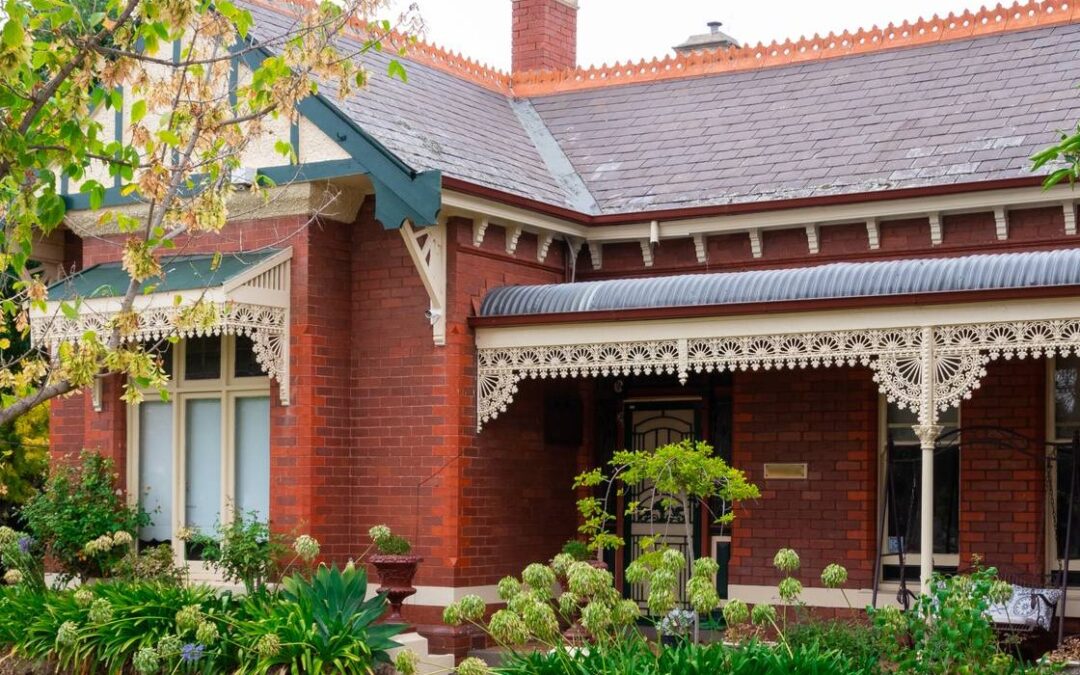
How to Modernise a Period Home Without Losing Character
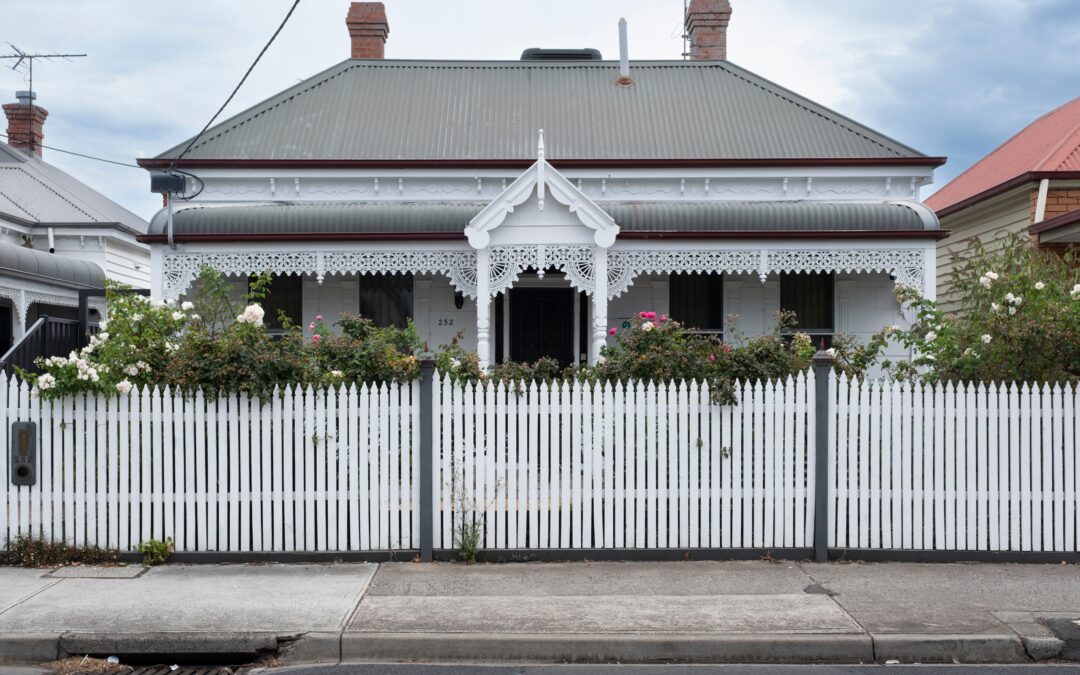
Victorian Home Extension Costs Melbourne
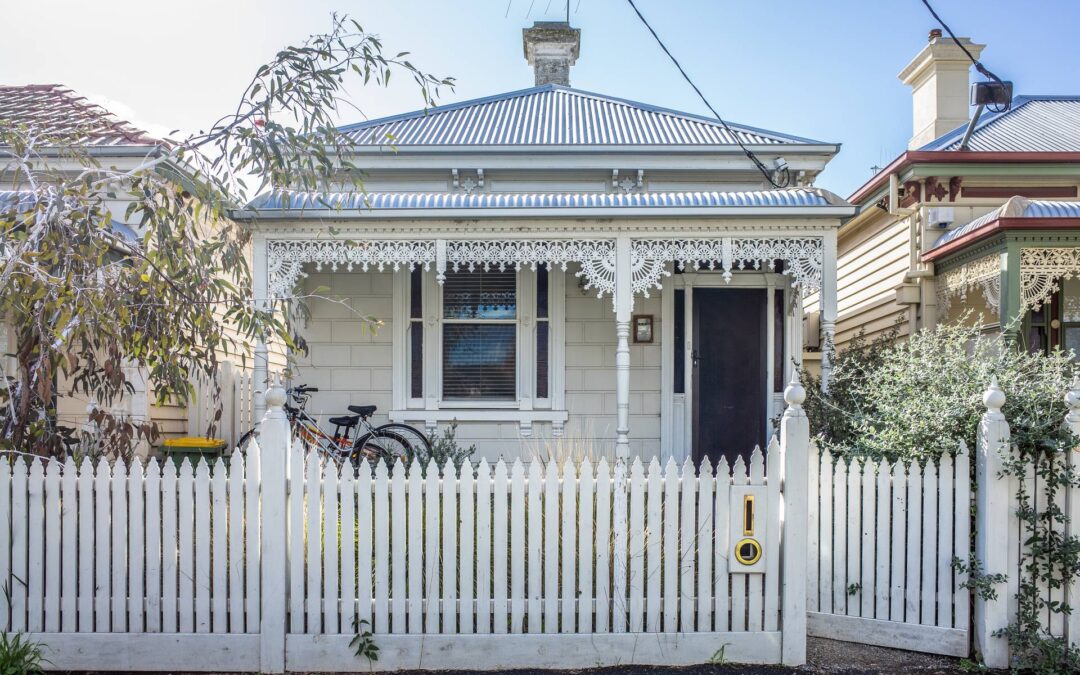
Architect vs Draftsman for Period Home Extensions in Melbourne

Home Extensions Melbourne: Ideas & Expert Builders
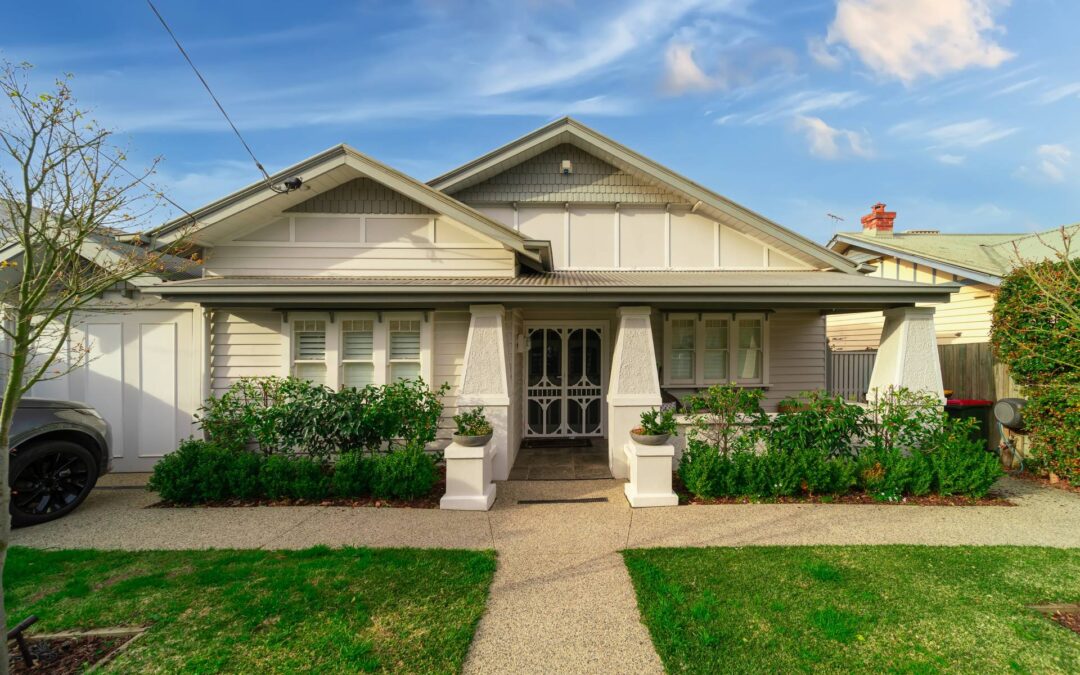
Californian Bungalow Extension Costs Melbourne
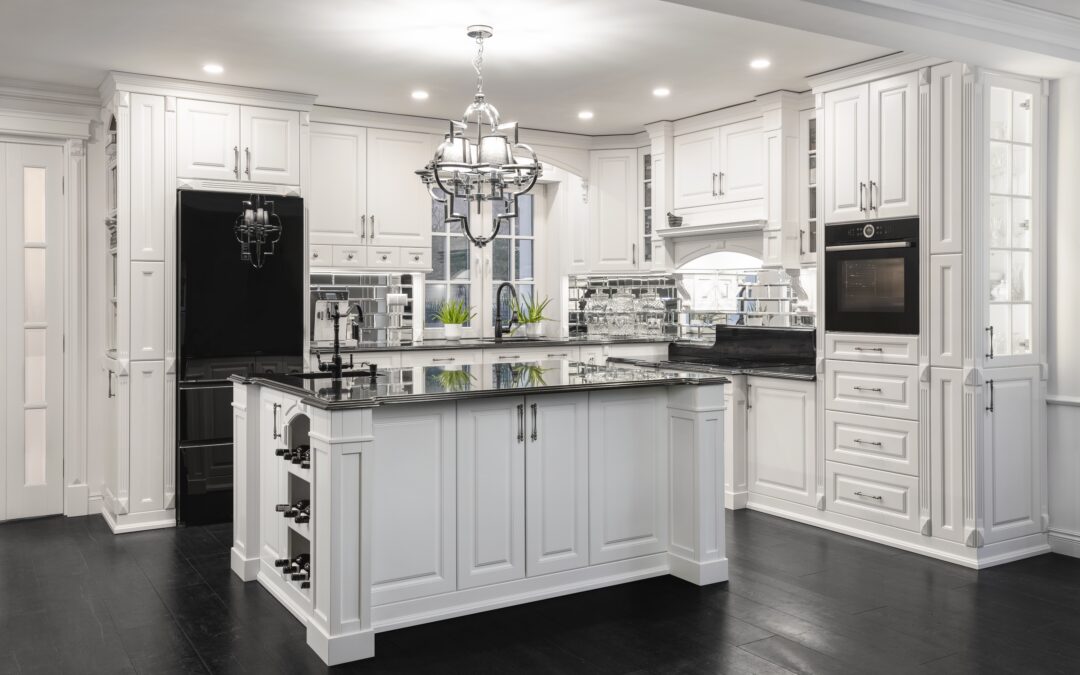
Hamptons Style Homes in Melbourne: Design, Features & Extensions
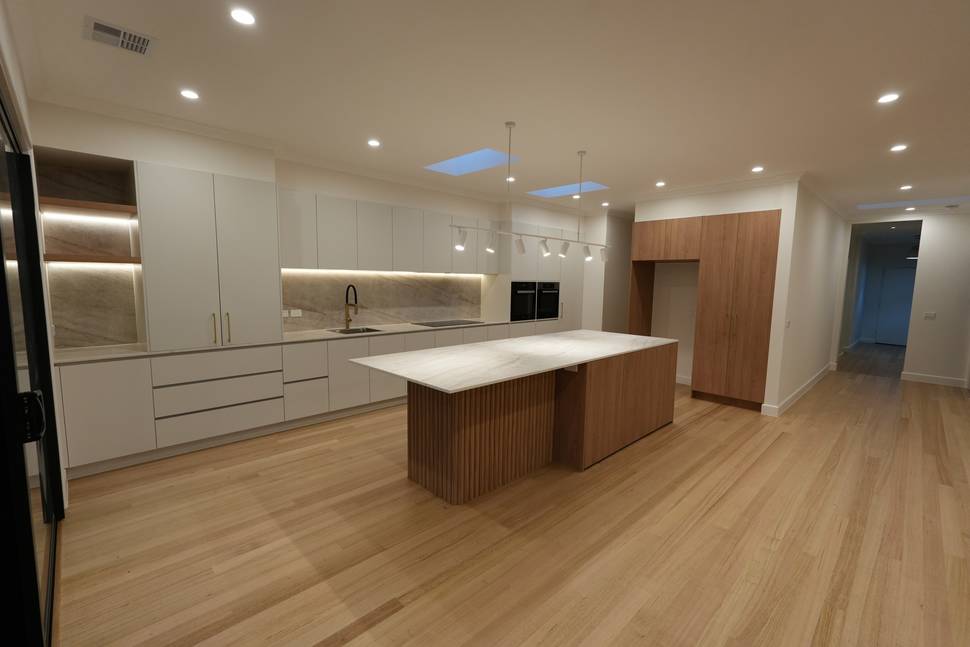
Do You Need a Planning Permit for a Home Extension in Victoria?
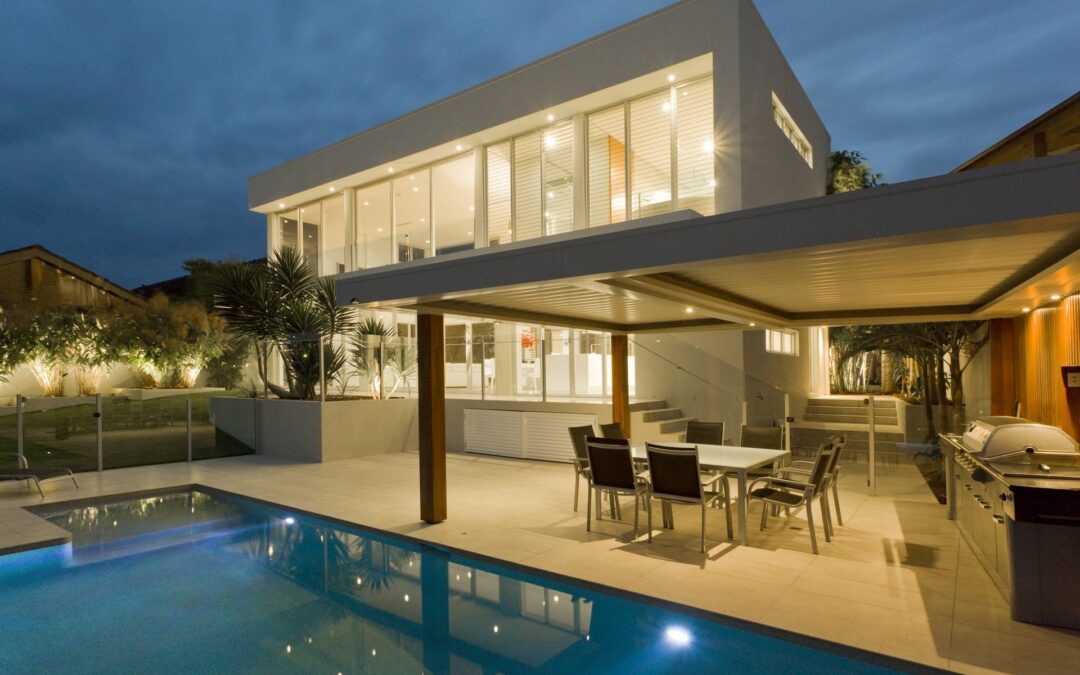
Sloping Block Homes Melbourne
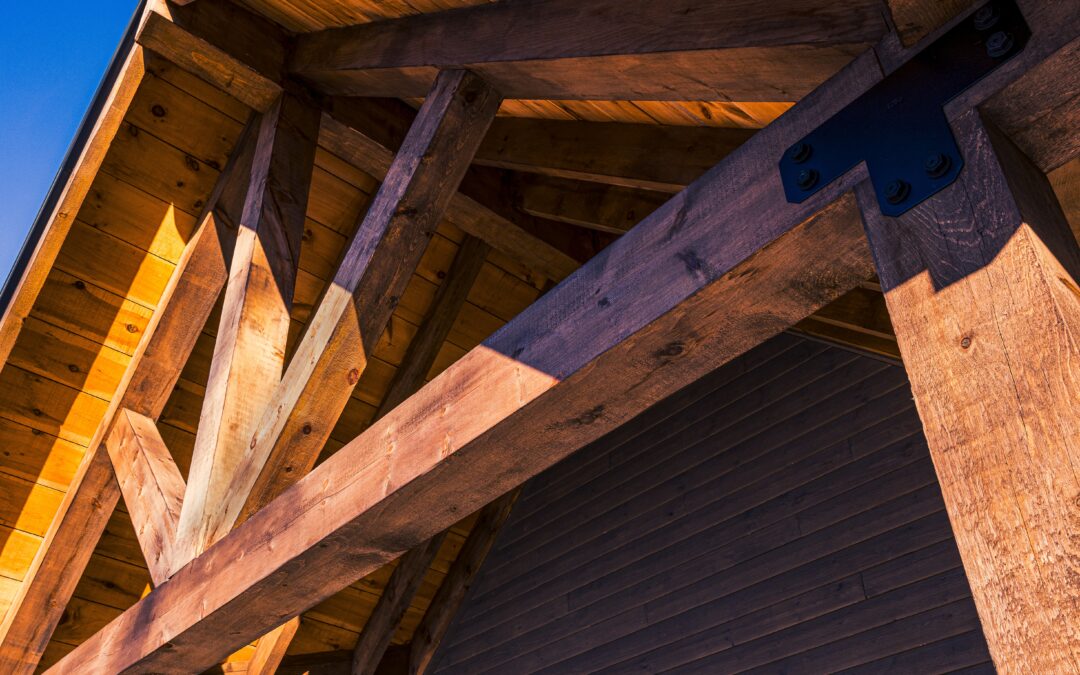
Post and Beam Homes Melbourne: Custom New Homes & Home Extensions